A child’s safety can depend on the knowledge and confidence of those around them. Missing early warning signs may have lasting consequences. Build essential safeguarding awareness for early years practice. Enrol today
4.5
(6 Reviews)
133 Students
Exclusive Deal! 94% Off, Today Only!
Sale Ends In
Every child deserves a safe environment, yet safeguarding concerns in early years settings can be complex and difficult to recognise without the right knowledge. Understanding your responsibilities helps you respond appropriately when children may be at risk.
This course explores the principles of safeguarding, UK legislation, and professional responsibilities within early years environments. You will learn how to identify signs of abuse, neglect, and risk factors, while developing confidence in responding to concerns and disclosures. The course also covers working with families, external agencies, digital safeguarding, and embedding protective practices into everyday organisational culture.
By completing this Safeguarding in Early Years Settings course, you will gain a stronger understanding of how effective safeguarding supports children’s wellbeing and professional practice. Strengthen your awareness today and ensure you are prepared to act when it matters most.
There are no formal prerequisites to enrol in this Health and Social Care Level 4 course. It is suitable for both beginners and individuals already working in care who want to develop their skills further.
The course is fully accessible online, allowing you to study from home using any internet-enabled device.
All you need is a willingness to learn, basic literacy skills, and to be over the age of 16.
After successfully completing the course, you will qualify for a CPD Certificate as proof of your continued professional development and achievement. This certificate can enhance your professional profile and showcase your commitment to building relevant skills and knowledge. You can receive your digital certificate for only £10, or request a printed hard copy sent by post for just £29 or both for £39.
For assessing your learning, you have to complete an automated MCQ exam. It is required for the students to score at least 60% to pass the exam and fulfil the Quality Licence Scheme-endorsed certificate criteria. Learners can apply for the certificate after they clear the exam.
There are assignment questions provided at the end of the course. You are suggested to complete the questions to enrich your understanding of the course. You can complete this according to your preferred time. The expert tutor will provide feedback on your performance after assessing your assignment.
Safeguarding knowledge is highly valued across UK early years, childcare, education, and support sectors. This course can strengthen your understanding of child protection responsibilities and support progression into roles where children’s safety and wellbeing are central.
Safeguarding in early years settings involves protecting children from harm, abuse, neglect, and unsafe situations. It ensures professionals understand their responsibilities for maintaining children’s welfare.
Â
Safeguarding legislation provides clear responsibilities and procedures for protecting children. It helps early years professionals follow consistent approaches when managing concerns.
Â
Safeguarding awareness helps professionals recognise potential risks and respond appropriately. Early understanding supports safer environments for children.
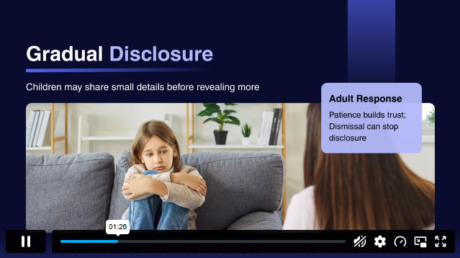
A Designated Safeguarding Lead manages safeguarding procedures and provides guidance to staff. They help coordinate responses to concerns and disclosures.
Signs may include changes in behaviour, unexplained injuries, or developmental concerns. Professionals must understand that indicators can vary between children.
The course develops understanding of safeguarding principles, legal duties, and practical responses. It supports professionals working with children in early years environments.
Â
Digital safeguarding helps protect children from online risks and inappropriate digital experiences. It supports safer technology use within childcare settings.
Partnership working allows professionals to share concerns and provide appropriate support. Collaboration helps create stronger safeguarding outcomes for children.
Â
Concerns are managed through established procedures, accurate reporting, and appropriate referrals. Professionals must follow organisational policies and legal requirements.
Â
Safeguarding training strengthens professional knowledge for childcare and support roles. It can improve confidence when working with children and families.
| Module 01: Principles and Scope of Safeguarding | |||
| Principles and Scope of Safeguarding | 00:07:00 | ||
| Module 02: Legislative and Policy Frameworks | |||
| Legislative and Policy Frameworks | 00:08:00 | ||
| Module 03: Identifying Abuse, Neglect and Risk Factors | |||
| Identifying Abuse, Neglect and Risk Factors | 00:07:00 | ||
| Module 04: Responding to Concerns and Disclosures | |||
| Responding to Concerns and Disclosures | 00:07:00 | ||
| Module 05: Partnership with Families and Agencies | |||
| Partnership with Families and Agencies | 00:08:00 | ||
| Module 06: Safeguarding in the Digital Environment | |||
| Safeguarding in the Digital Environment | 00:07:00 | ||
| Module 07: Embedding Safeguarding into Organisational Practice | |||
| Embedding Safeguarding into Organisational Practice | 00:07:00 | ||
| Module 01: Principles and Scope of Safeguarding | |||
| Principles and Scope of Safeguarding | 00:07:00 | ||
| Module 02: Legislative and Policy Frameworks | |||
| Legislative and Policy Frameworks | 00:08:00 | ||
| Module 03: Identifying Abuse, Neglect and Risk Factors | |||
| Identifying Abuse, Neglect and Risk Factors | 00:07:00 | ||
| Module 04: Responding to Concerns and Disclosures | |||
| Responding to Concerns and Disclosures | 00:07:00 | ||
| Module 05: Partnership with Families and Agencies | |||
| Partnership with Families and Agencies | 00:08:00 | ||
| Module 06: Safeguarding in the Digital Environment | |||
| Safeguarding in the Digital Environment | 00:07:00 | ||
| Module 07: Embedding Safeguarding into Organisational Practice | |||
| Embedding Safeguarding into Organisational Practice | 00:07:00 | ||