Healthcare professionals carry responsibility for others every day, but safeguarding their own wellbeing matters too. Learn how workplace mental health, stress, and support systems affect care quality. Enrol today to build greater awareness and confidence.
4.5
(6 Reviews)
96 Students
Exclusive Deal! 94% Off, Today Only!
Sale Ends In
Supporting others begins with understanding the challenges faced within healthcare workplaces. With increasing pressure on healthcare professionals across the UK, poor awareness of mental health, stress, and burnout can affect both staff wellbeing and the quality of patient care.
This course explores essential workplace wellbeing topics, including mental health awareness, reducing stigma, managing stress, maintaining professional boundaries, and creating inclusive environments. You will examine how communication, leadership, and organisational responsibility contribute to safer and healthier healthcare settings.
By completing this Safeguarding for Healthcare Professionals course, you will develop a stronger understanding of workplace wellbeing principles and recognise ways to support yourself and colleagues effectively. Gain the knowledge needed to contribute positively to healthcare environments where wellbeing and safeguarding remain priorities. Enrol now to strengthen your professional awareness.
There are no formal prerequisites to enrol in this Health and Social Care Level 4 course. It is suitable for both beginners and individuals already working in care who want to develop their skills further.
The course is fully accessible online, allowing you to study from home using any internet-enabled device.
All you need is a willingness to learn, basic literacy skills, and to be over the age of 16.
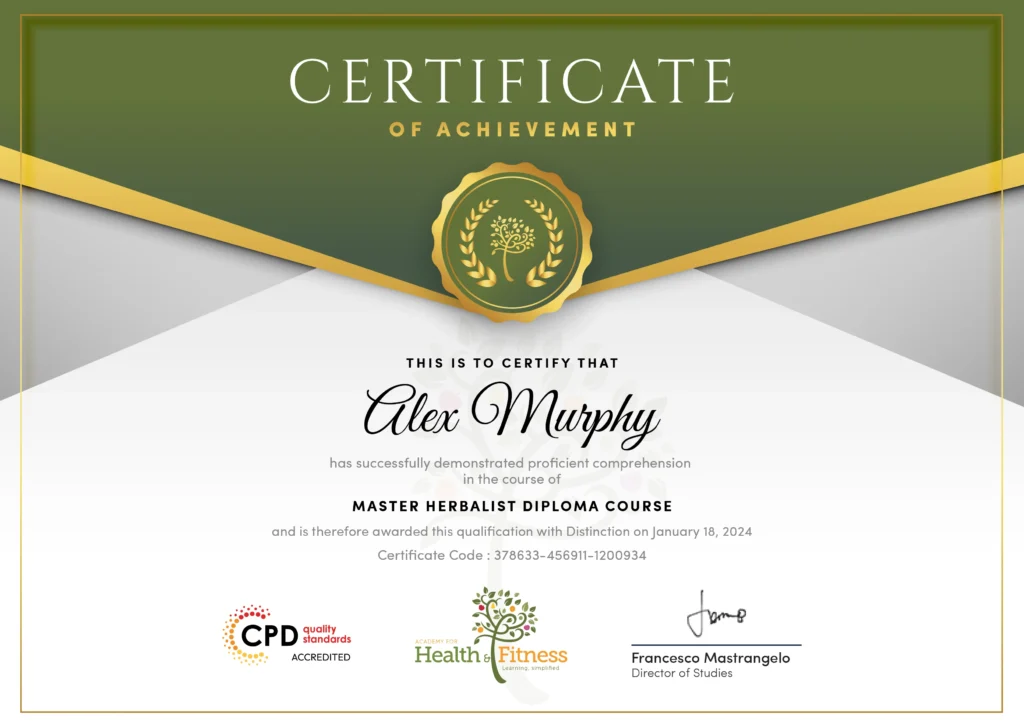
After successfully completing the course, you will qualify for a CPD Certificate as proof of your continued professional development and achievement. This certificate can enhance your professional profile and showcase your commitment to building relevant skills and knowledge. You can receive your digital certificate for only £10, or request a printed hard copy sent by post for just £29 or both for £39.
For assessing your learning, you have to complete an automated MCQ exam. It is required for the students to score at least 60% to pass the exam and fulfil the Quality Licence Scheme-endorsed certificate criteria. Learners can apply for the certificate after they clear the exam.
There are assignment questions provided at the end of the course. You are suggested to complete the questions to enrich your understanding of the course. You can complete this according to your preferred time. The expert tutor will provide feedback on your performance after assessing your assignment.
Understanding workplace wellbeing and safeguarding principles can strengthen professional practice across UK healthcare settings. These skills support roles that require emotional awareness, staff support, communication, and responsibility for safer working environments.
Safeguarding for healthcare professionals involves recognising risks, supporting wellbeing, and promoting safer working environments. It includes awareness of mental health, communication, and professional responsibilities.
Workplace mental health influences staff wellbeing, performance, communication, and quality of care. Understanding these factors helps professionals manage challenges more effectively.
Reducing stigma encourages open conversations and helps staff seek appropriate support when facing mental health challenges. It also promotes a more inclusive workplace culture.
Stress management helps healthcare professionals maintain emotional balance while continuing to provide effective care. It supports resilience and reduces the risks associated with prolonged workplace pressure.
Burnout prevention focuses on maintaining healthy boundaries, managing workloads, and recognising signs of emotional exhaustion. It helps create sustainable working practices.
Â
A positive wellbeing culture encourages support, inclusion, and respectful communication among healthcare teams. It helps create environments where staff feel valued and supported.
Healthcare leaders play an important role in developing policies, providing support, and promoting healthier working environments. Effective leadership can improve staff engagement and retention.
Â
Emotional wellbeing helps healthcare workers manage professional demands while maintaining compassion and focus. It supports both personal health and quality patient interactions.
Inclusion ensures that all healthcare professionals receive fair support and respect within the workplace. It strengthens teamwork and improves organisational culture.
Â
Future workplace wellbeing will continue focusing on prevention, flexibility, and stronger support systems. Healthcare organisations are increasingly recognising the importance of protecting staff wellbeing.
| Module 1: Introduction to Safeguarding in Healthcare | |||
| Introduction to Safeguarding in Healthcare | 00:09:00 | ||
| Module 01: Assessment | |||
| Quiz 1 -Supporting Children with Autism Spectrum Disorder | 00:00:00 | ||
| Module 2: Recognising Safeguarding Concerns | |||
| Recognising Safeguarding Concerns | 00:08:00 | ||
| Module 02: Assessment | |||
| Quiz 2 -Supporting Children with Autism Spectrum Disorder | 00:00:00 | ||
| Module 3: Safeguarding Children and Adolescents | |||
| Safeguarding Children and Adolescents | 00:10:00 | ||
| Module 03: Assessment | |||
| Quiz 3 -Supporting Children with Autism Spectrum Disorder | 00:00:00 | ||
| Module 4: Safeguarding Adults at Risk | |||
| Safeguarding Adults at Risk | 00:09:00 | ||
| Module 04: Assessment | |||
| Quiz 4 -Supporting Children with Autism Spectrum Disorder | 00:00:00 | ||
| Module 5: Skills for Front-Line Practice | |||
| Skills for Front-Line Practice | 00:10:00 | ||
| Module 05: Assessment | |||
| Quiz 5 -Supporting Children with Autism Spectrum Disorder | 00:00:00 | ||
| Module 6: Safeguarding in Complex Contexts | |||
| Safeguarding in Complex Contexts | 00:09:00 | ||
| Module 06: Assessment | |||
| Quiz 6 -Supporting Children with Autism Spectrum Disorder | 00:00:00 | ||
| Module 7: Professional Ethics, Wellbeing and Improvement | |||
| Professional Ethics, Wellbeing and Improvement | 00:09:00 | ||
| Module 07: Assessment | |||
| Quiz 7 -Supporting Children with Autism Spectrum Disorder | 00:00:00 | ||
| Module 08: Assessment | |||
| Final Quiz -Supporting Children with Autism Spectrum Disorder | 00:00:00 | ||
| Module 1: Introduction to Safeguarding in Healthcare | |||
| Introduction to Safeguarding in Healthcare | 00:09:00 | ||
| Module 01: Assessment | |||
| Quiz 1 -Supporting Children with Autism Spectrum Disorder | 00:00:00 | ||
| Module 2: Recognising Safeguarding Concerns | |||
| Recognising Safeguarding Concerns | 00:08:00 | ||
| Module 02: Assessment | |||
| Quiz 2 -Supporting Children with Autism Spectrum Disorder | 00:00:00 | ||
| Module 3: Safeguarding Children and Adolescents | |||
| Safeguarding Children and Adolescents | 00:10:00 | ||
| Module 03: Assessment | |||
| Quiz 3 -Supporting Children with Autism Spectrum Disorder | 00:00:00 | ||
| Module 4: Safeguarding Adults at Risk | |||
| Safeguarding Adults at Risk | 00:09:00 | ||
| Module 04: Assessment | |||
| Quiz 4 -Supporting Children with Autism Spectrum Disorder | 00:00:00 | ||
| Module 5: Skills for Front-Line Practice | |||
| Skills for Front-Line Practice | 00:10:00 | ||
| Module 05: Assessment | |||
| Quiz 5 -Supporting Children with Autism Spectrum Disorder | 00:00:00 | ||
| Module 6: Safeguarding in Complex Contexts | |||
| Safeguarding in Complex Contexts | 00:09:00 | ||
| Module 06: Assessment | |||
| Quiz 6 -Supporting Children with Autism Spectrum Disorder | 00:00:00 | ||
| Module 7: Professional Ethics, Wellbeing and Improvement | |||
| Professional Ethics, Wellbeing and Improvement | 00:09:00 | ||
| Module 07: Assessment | |||
| Quiz 7 -Supporting Children with Autism Spectrum Disorder | 00:00:00 | ||
| Module 08: Assessment | |||
| Final Quiz -Supporting Children with Autism Spectrum Disorder | 00:00:00 | ||