Exclusive Deal! 94% Off, Today Only!
Sale Ends In
Caring for adults at risk is a profound responsibility, and gaps in knowledge can lead to serious consequences. Every year, safeguarding concerns affect thousands across the UK, from neglect and abuse to failures in recognising risk. Without a clear understanding of legal frameworks, many professionals and carers feel unprepared when urgent situations arise.
This course provides a comprehensive introduction to safeguarding adults, covering foundations, recognition of risk, consent, information sharing, and the processes involved in responding to concerns. You will also explore specialist interfaces, governance structures, and leadership approaches, ensuring you can operate confidently within complex care contexts.
By the end of this training, you will be equipped to identify risks, act appropriately, and uphold the safety and rights of vulnerable adults. Join today to protect those in your care and strengthen your professional expertise.
There are no formal prerequisites to enrol in this Health and Social Care Level 4 course. It is suitable for both beginners and individuals already working in care who want to develop their skills further.
The course is fully accessible online, allowing you to study from home using any internet-enabled device.
All you need is a willingness to learn, basic literacy skills, and to be over the age of 16.
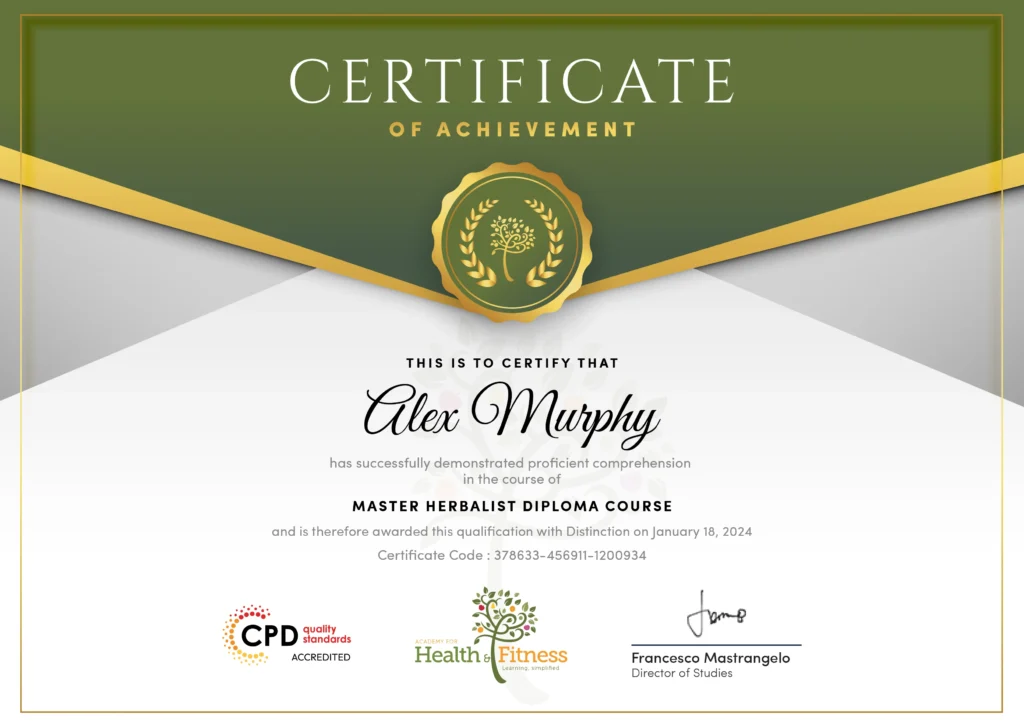
After successfully completing the course, you will qualify for a CPD Certificate as proof of your continued professional development and achievement. This certificate can enhance your professional profile and showcase your commitment to building relevant skills and knowledge. You can receive your digital certificate for only £10, or request a printed hard copy sent by post for just £29 or both for £39.
For assessing your learning, you have to complete an automated MCQ exam. It is required for the students to score at least 60% to pass the exam and fulfil the Quality Licence Scheme-endorsed certificate criteria. Learners can apply for the certificate after they clear the exam.
There are assignment questions provided at the end of the course. You are suggested to complete the questions to enrich your understanding of the course. You can complete this according to your preferred time. The expert tutor will provide feedback on your performance after assessing your assignment.
With safeguarding expertise, professionals enhance safety in adult services while meeting legal standards. Knowledge in recognising risk and responding to abuse is highly valued across healthcare, social work, and policy roles.
Adult safeguarding is the protection of vulnerable adults from abuse, neglect, or exploitation. It ensures their safety and wellbeing are prioritised in all care contexts.
Legislation such as the Care Act 2014 outlines duties for local authorities and care providers to protect adults from harm and promote welfare.
Consent determines whether adults can make decisions about their care. Professionals must respect decisions while balancing safeguarding responsibilities.
Early recognition prevents harm and enables timely intervention. Professionals must understand physical, emotional, financial, and institutional abuse indicators.
Enquiries follow statutory guidelines, including investigation, risk assessment, and referral to appropriate agencies, ensuring protection and legal compliance.
Information must be shared legally and ethically with relevant professionals while respecting confidentiality and promoting adult safety.
Health services, police, social care, legal advisors, and advocacy groups work together to address complex safeguarding concerns.
Effective leadership ensures policies are followed, staff are trained, and safeguarding culture is embedded in all care contexts.
Challenges include balancing autonomy and protection, complex legal frameworks, resource limitations, and high-risk decision-making situations.
Expertise ensures professionals remain compliant, effective, and trusted in evolving adult care and safeguarding environments.
| Introduction | |||
| Module 1: Foundations of Safeguarding in the UK Part 1 | 00:04:00 | ||
| Module 1: Foundations of Safeguarding | |||
| Module 1: Foundations of Safeguarding in the UK Part 2 | 00:03:00 | ||
| Module 2: Recognition and Risk | |||
| Module 2: Recognition and Risk Part 1 | 00:07:00 | ||
| Module 2: Recognition and Risk Part 2 | 00:04:00 | ||
| Module 3: Capacity, Consent, and Information Sharing | |||
| Module 3: Capacity, Consent, and Information Sharing Part 1 | 00:06:00 | ||
| Module 3: Capacity, Consent, and Information Sharing Part 2 | 00:03:00 | ||
| Module 4: Responding and Enquiries | |||
| Module 4: Responding and Enquiries Part 1 | 00:05:00 | ||
| Module 4: Responding and Enquiries Part 2 | 00:03:00 | ||
| Module 5: Specialist Interfaces and Governance | |||
| Module 5: Specialist Interfaces and Governance Part 1 | 00:05:00 | ||
| Module 5: Specialist Interfaces and Governance Part 2 | 00:03:00 | ||
| Module 6: Leadership, Contexts, and Future-Proofing | |||
| Module 6: Leadership, Contexts, and Future-Proofing Part 1 | 00:05:00 | ||
| Conclusion | |||
| Module 6: Leadership, Contexts, and Future-Proofing Part 2 | 00:02:00 | ||
| Introduction | |||
| Module 1: Foundations of Safeguarding in the UK Part 1 | 00:04:00 | ||
| Module 1: Foundations of Safeguarding | |||
| Module 1: Foundations of Safeguarding in the UK Part 2 | 00:03:00 | ||
| Module 2: Recognition and Risk | |||
| Module 2: Recognition and Risk Part 1 | 00:07:00 | ||
| Module 2: Recognition and Risk Part 2 | 00:04:00 | ||
| Module 3: Capacity, Consent, and Information Sharing | |||
| Module 3: Capacity, Consent, and Information Sharing Part 1 | 00:06:00 | ||
| Module 3: Capacity, Consent, and Information Sharing Part 2 | 00:03:00 | ||
| Module 4: Responding and Enquiries | |||
| Module 4: Responding and Enquiries Part 1 | 00:05:00 | ||
| Module 4: Responding and Enquiries Part 2 | 00:03:00 | ||
| Module 5: Specialist Interfaces and Governance | |||
| Module 5: Specialist Interfaces and Governance Part 1 | 00:05:00 | ||
| Module 5: Specialist Interfaces and Governance Part 2 | 00:03:00 | ||
| Module 6: Leadership, Contexts, and Future-Proofing | |||
| Module 6: Leadership, Contexts, and Future-Proofing Part 1 | 00:05:00 | ||
| Conclusion | |||
| Module 6: Leadership, Contexts, and Future-Proofing Part 2 | 00:02:00 | ||