Many vulnerable individuals struggle without consistent recovery guidance and emotional support. Learn practical recovery support skills, ethical responsibilities, and community-focused approaches confidently. Enrol today to strengthen support skills that truly matter.
4.5 Star Rating
(6 Reviews)
48 Students
Exclusive Deal! 94% Off, Today Only!
Sale Ends In
Recovery support workers play an increasingly important role across the UK’s health, wellbeing, and community care sectors. Many individuals facing addiction, mental health challenges, or difficult life circumstances rely heavily on compassionate guidance and structured support, yet a lack of trained recovery-focused assistance can delay progress and reduce confidence during vulnerable periods.
This Recovery Support Worker Training course introduces the key responsibilities involved in supporting individuals throughout recovery journeys professionally and responsibly. You will explore assessment techniques, recovery planning, legal and ethical considerations, community engagement strategies, support group dynamics, and practical communication skills. The course also examines the importance of self-care for recovery support workers and how professional boundaries contribute to safer and more effective support environments.
By completing this course, you will develop stronger understanding of recovery support practices and gain confidence assisting individuals through challenging circumstances. Enrol now to build meaningful support skills before growing demand places greater expectations on care professionals.
There are no formal prerequisites to enrol in this Health and Social Care Level 4 course. It is suitable for both beginners and individuals already working in care who want to develop their skills further.
The course is fully accessible online, allowing you to study from home using any internet-enabled device.
All you need is a willingness to learn, basic literacy skills, and to be over the age of 16.
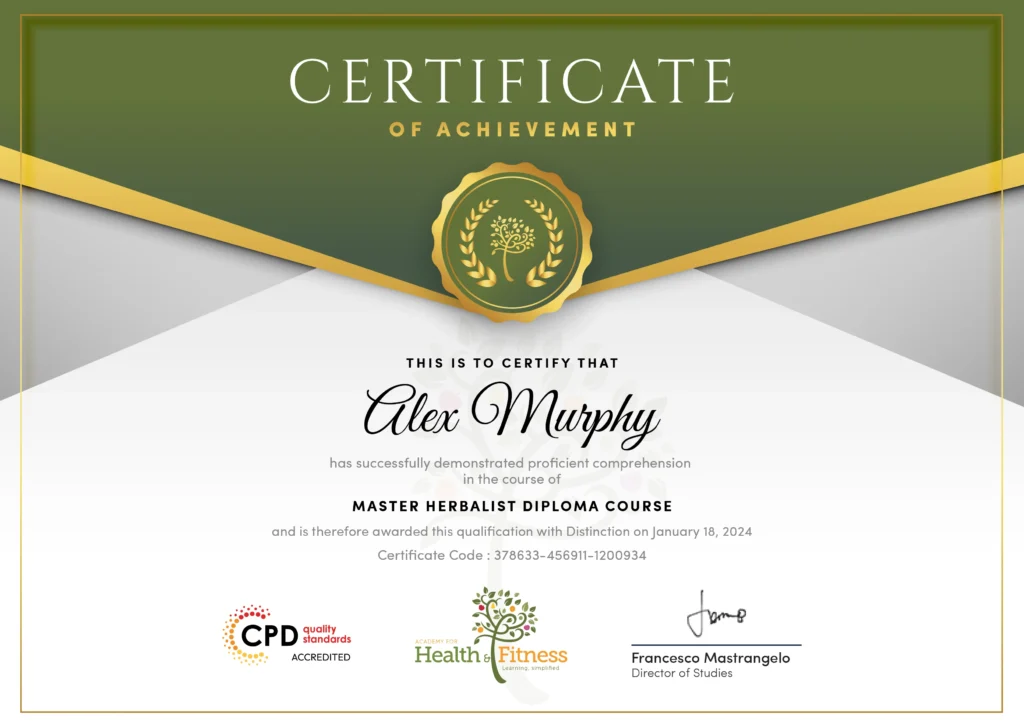
After successfully completing the course, you will qualify for a CPD Certificate as proof of your continued professional development and achievement. This certificate can enhance your professional profile and showcase your commitment to building relevant skills and knowledge. You can receive your digital certificate for only £10, or request a printed hard copy sent by post for just £29 or both for £39.
For assessing your learning, you have to complete an automated MCQ exam. It is required for the students to score at least 60% to pass the exam and fulfil the Quality Licence Scheme-endorsed certificate criteria. Learners can apply for the certificate after they clear the exam.
There are assignment questions provided at the end of the course. You are suggested to complete the questions to enrich your understanding of the course. You can complete this according to your preferred time. The expert tutor will provide feedback on your performance after assessing your assignment.
Recovery support skills are increasingly valued across the UK’s health, social care, and community wellbeing sectors. Employers seek compassionate professionals capable of supporting individuals through recovery journeys while promoting safe, ethical, and person-centred care practices.
This course introduces the principles and responsibilities involved within recovery-focused support roles professionally. Learners explore communication, ethical practice, and structured support techniques used across care environments.
Recovery support helps individuals build confidence, access resources, and maintain positive wellbeing improvements responsibly. Consistent support can also encourage greater engagement with recovery and community services.
Assessment and planning help identify individual needs, challenges, and realistic recovery goals effectively. Structured planning also supports safer and more person-centred support approaches professionally.
Support groups provide emotional encouragement, shared experiences, and structured community-based guidance compassionately. They can also reduce isolation and strengthen long-term recovery engagement positively.
The course develops practical recovery support knowledge valued across community wellbeing and care sectors. It also strengthens communication, safeguarding, and professional support skills responsibly.
This module explains safeguarding responsibilities, confidentiality expectations, and professional conduct requirements carefully. Learners also explore ethical decision-making within recovery-focused support environments.
Support roles can become emotionally demanding without healthy boundaries and personal wellbeing practices consistently. Effective self-care helps maintain resilience, professionalism, and long-term support effectiveness responsibly.
Community engagement encourages social connection, support access, and participation within positive recovery-focused environments. Strong community involvement can improve confidence and long-term wellbeing outcomes significantly.
Effective communication supports trust, respectful interactions, and stronger understanding between support workers and individuals. Compassionate conversations also encourage engagement during difficult recovery circumstances professionally.
The course explains recovery support practices using structured and accessible learning materials professionally. Learners gain stronger understanding of ethical support, planning, and community-based recovery approaches.
| Module 1: Introduction to Recovery Support | |||
| Module 1: Introduction to Recovery Support | 00:15:00 | ||
| Module 2: Assessment and Planning | |||
| Module 2: Assessment and Planning | 00:16:00 | ||
| Module 3: Legal and Ethical Considerations | |||
| Module 3: Legal and Ethical Considerations | 00:16:00 | ||
| Module 4: Recovery Support Groups and Community Engagement | |||
| Module 4: Recovery Support Groups and Community Engagement | 00:16:00 | ||
| Module 5: Practical Skills and Self-Care | |||
| Module 5: Practical Skills and Self-Care | 00:14:00 | ||
| Module 1: Introduction to Recovery Support | |||
| Module 1: Introduction to Recovery Support | 00:15:00 | ||
| Module 2: Assessment and Planning | |||
| Module 2: Assessment and Planning | 00:16:00 | ||
| Module 3: Legal and Ethical Considerations | |||
| Module 3: Legal and Ethical Considerations | 00:16:00 | ||
| Module 4: Recovery Support Groups and Community Engagement | |||
| Module 4: Recovery Support Groups and Community Engagement | 00:16:00 | ||
| Module 5: Practical Skills and Self-Care | |||
| Module 5: Practical Skills and Self-Care | 00:14:00 | ||