Course Overview Millions of people across the UK live with neurological and psychological conditions affecting memory, behaviour, emotional wellbeing, and …
4.5
(6 Reviews)
75 Students
Exclusive Deal! 94% Off, Today Only!
Sale Ends In
Millions of people across the UK live with neurological and psychological conditions affecting memory, behaviour, emotional wellbeing, and cognitive function. Yet many individuals still struggle to recognise the differences between brain disorders, psychiatric conditions, and neurological impairments, often delaying understanding, support, or appropriate intervention.
This Psychology Diagnosis – Brain Disorders course introduces the foundations of brain-related conditions and how they are classified within psychological and neurological contexts. You will explore neurodevelopmental disorders, neurodegenerative conditions, traumatic brain injuries, psychiatric disorders, and genetic neurological conditions. The course also examines how symptoms are assessed, how diagnoses are approached, and the broader impact these conditions can have on individuals and families.
By completing this course, you will gain stronger understanding of brain disorders and the complexities surrounding psychological diagnosis. Enrol now to build informed awareness before misunderstanding or limited knowledge affects important professional or personal decisions.
There are no formal prerequisites to enrol in this Health and Social Care Level 4 course. It is suitable for both beginners and individuals already working in care who want to develop their skills further.
The course is fully accessible online, allowing you to study from home using any internet-enabled device.
All you need is a willingness to learn, basic literacy skills, and to be over the age of 16.
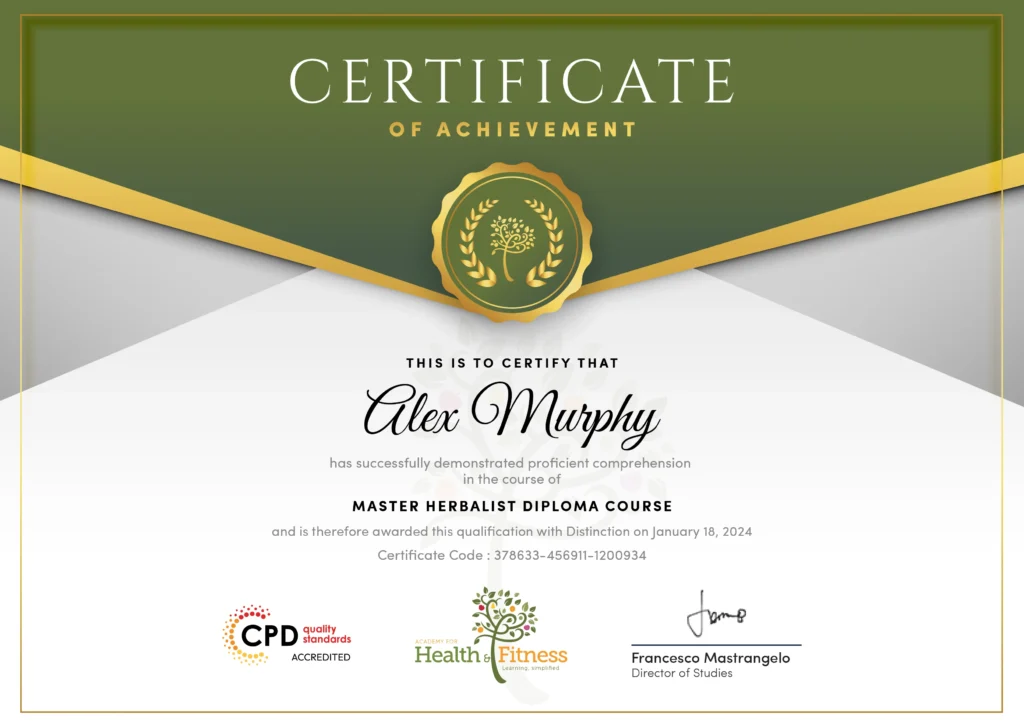
After successfully completing the course, you will qualify for a CPD Certificate as proof of your continued professional development and achievement. This certificate can enhance your professional profile and showcase your commitment to building relevant skills and knowledge. You can receive your digital certificate for only £10, or request a printed hard copy sent by post for just £29 or both for £39.
For assessing your learning, you have to complete an automated MCQ exam. It is required for the students to score at least 60% to pass the exam and fulfil the Quality Licence Scheme-endorsed certificate criteria. Learners can apply for the certificate after they clear the exam.
There are assignment questions provided at the end of the course. You are suggested to complete the questions to enrich your understanding of the course. You can complete this according to your preferred time. The expert tutor will provide feedback on your performance after assessing your assignment.
Understanding brain disorders and psychological diagnosis remains increasingly valuable across the UK’s healthcare, social care, and wellbeing sectors. Employers seek knowledgeable individuals capable of supporting awareness, communication, and informed care practices within neurological and psychological environments.
This course explores neurological and psychological conditions affecting behaviour, cognition, and emotional wellbeing professionally. Learners examine diagnosis approaches, symptom recognition, and brain disorder classifications carefully.
Neurological disorders can influence memory, communication, behaviour, movement, and cognitive processing abilities significantly. The impact varies depending on the condition, severity, and individual circumstances involved.
Neurodevelopmental conditions often affect learning, behaviour, communication, and social interaction from early stages. Greater understanding supports informed support strategies and more compassionate professional responses.
Psychological diagnosis helps professionals identify conditions and understand behavioural or emotional difficulties accurately. Structured assessment also supports appropriate care planning and support recommendations responsibly.
The course develops foundational understanding valued across mental health, care, and wellbeing environments professionally. It also strengthens communication and awareness surrounding neurological and psychological conditions.
This module explores brain injuries, associated symptoms, and their cognitive or behavioural consequences carefully. Learners also examine rehabilitation considerations and long-term wellbeing impacts responsibly.
Neurodegenerative disorders often involve progressive decline affecting memory, independence, and daily functioning abilities. Ongoing changes can create emotional, physical, and practical challenges for individuals and families.
Genetic neurological conditions can affect cognitive functioning, behaviour, emotional health, and social experiences significantly. Understanding these connections supports more informed and compassionate support approaches professionally.
Behavioural symptoms often help professionals identify underlying neurological or psychological health conditions carefully. Observing behavioural patterns supports more accurate assessments and informed diagnostic considerations.
The course explains neurological and psychological concepts using structured and accessible learning materials professionally. Learners gain stronger confidence discussing brain disorders and related diagnostic processes responsibly.
| Module 1: Foundations of Brain Disorders | |||
| Module 1: Foundations of Brain Disorders | 00:10:00 | ||
| Module 2: Neurodevelopmental Conditions | |||
| Module 2: Neurodevelopmental Conditions | 00:11:00 | ||
| Module 3: Neurodegenerative Conditions | |||
| Module 3: Neurodegenerative Conditions | 00:10:00 | ||
| Module 4: Psychological and Psychiatric Disorders | |||
| Module 4: Psychological and Psychiatric Disorders | 00:11:00 | ||
| Module 5: Traumatic Brain Injuries and Related Conditions | |||
| Module 5: Traumatic Brain Injuries and Related Conditions | 00:09:00 | ||
| Module 6: Neurological and Genetic Disorders | |||
| Module 6: Neurological and Genetic Disorders | 00:10:00 | ||
| Module 1: Foundations of Brain Disorders | |||
| Module 1: Foundations of Brain Disorders | 00:10:00 | ||
| Module 2: Neurodevelopmental Conditions | |||
| Module 2: Neurodevelopmental Conditions | 00:11:00 | ||
| Module 3: Neurodegenerative Conditions | |||
| Module 3: Neurodegenerative Conditions | 00:10:00 | ||
| Module 4: Psychological and Psychiatric Disorders | |||
| Module 4: Psychological and Psychiatric Disorders | 00:11:00 | ||
| Module 5: Traumatic Brain Injuries and Related Conditions | |||
| Module 5: Traumatic Brain Injuries and Related Conditions | 00:09:00 | ||
| Module 6: Neurological and Genetic Disorders | |||
| Module 6: Neurological and Genetic Disorders | 00:10:00 | ||