Mental health complexities continue rising across the UK, demanding deeper psychological understanding. Enrol now to advance counselling and psychotherapy awareness before limited insight restricts ethical, informed, and effective supportive engagement.
Exclusive Deal! 94% Off, Today Only!
Sale Ends In
Mental health conditions affect approximately one in four people in the United Kingdom each year, with increasing demand for professionals who possess advanced psychological and counselling awareness. As emotional and behavioural complexities become more prevalent across healthcare, education, and community settings, the need for ethically informed and psychologically literate individuals continues to grow. Without deeper understanding, supportive interventions may lack effectiveness and professional credibility.
This Level 3 Psychology, Counselling and Psychotherapy 6 in 1 course builds upon foundational knowledge to explore cognitive and behavioural psychology, developmental and educational psychology, and advanced counselling practice. You will examine counselling ethics, professional identity, contemporary psychotherapy techniques, and applied mental health practices. The programme emphasises responsible, awareness-based learning aligned with UK professional and ethical standards.
By completing this course, you enhance your ability to understand complex psychological needs and provide informed support. Strengthen your expertise now before limited insight restricts meaningful engagement and professional development.
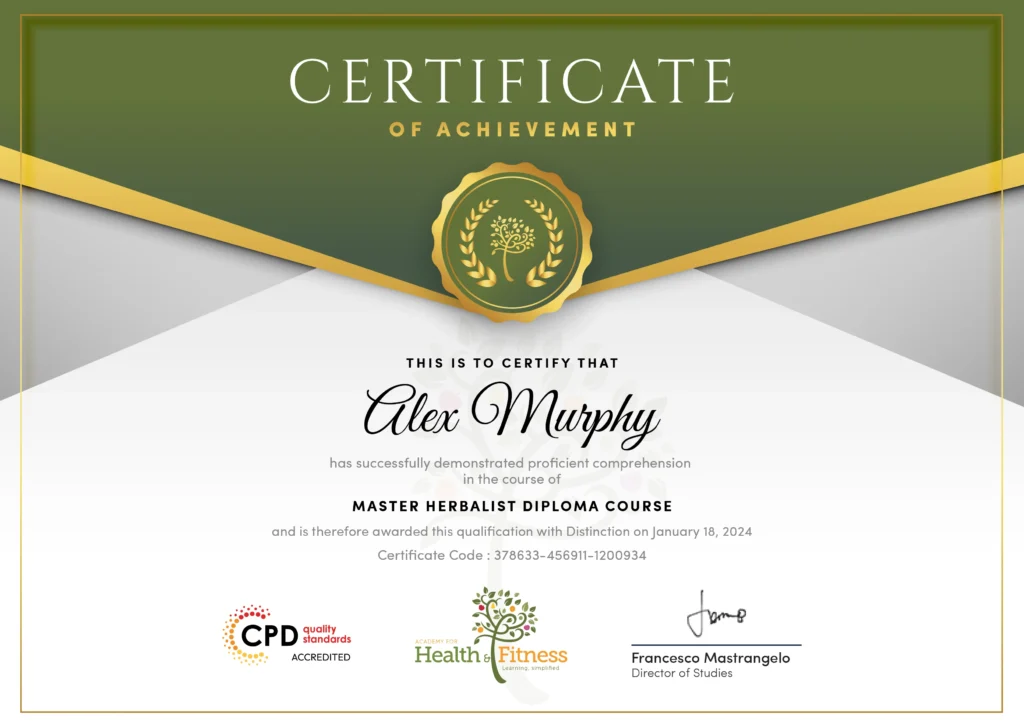
After successfully completing the course, you will qualify for a CPD Certificate as proof of your continued professional development and achievement. This certificate can enhance your professional profile and showcase your commitment to building relevant skills and knowledge. You can receive your digital certificate for only £10, or request a printed hard copy sent by post for just £29 or both for £39.
For assessing your learning, you have to complete an automated MCQ exam. It is required for the students to score at least 60% to pass the exam. Learners can apply for the certificate after they clear the exam.
There are assignment questions provided at the end of the course. You are suggested to complete the questions to enrich your understanding of the course. You can complete this according to your preferred time. The expert tutor will provide feedback on your performance after assessing your assignment.
There are no prerequisites, and you may use any internet-enabled device to study at your own speed, it is adaptable and available to students of all skill levels.
Advanced knowledge of psychology, counselling, and psychotherapy is highly valued across the UK’s healthcare, education, and community sectors. Employers seek individuals who demonstrate ethical awareness, advanced communication skills, and understanding of complex mental health needs.
Mental Health Support Worker
Provides structured emotional and practical support to individuals experiencing complex mental health challenges. Applies advanced psychological awareness to promote wellbeing within community or residential settings. Average salary £24,000–£35,000.
Counselling Assistant
Supports qualified counsellors with client engagement and administrative responsibilities. Demonstrates ethical awareness and advanced counselling communication skills. Average salary £22,000–£32,000.
Wellbeing Support Officer
Leads initiatives promoting mental wellbeing within organisational or community environments. Applies integrative psychological knowledge to support inclusive wellbeing programmes. Average salary £26,000–£38,000.
Youth Support Worker
Supports young people facing emotional or behavioural challenges within educational settings. Applies developmental psychology insights to foster resilience and positive development. Average salary £24,000–£34,000.
Community Outreach Worker
Engages individuals and groups to promote mental health awareness and social inclusion. Utilises advanced counselling awareness to support community wellbeing initiatives. Average salary £25,000–£36,000.
Healthcare Assistant (Mental Health Focus)
Supports patients within healthcare environments requiring emotional and psychological assistance. Applies advanced psychological awareness to enhance compassionate care. Average salary £23,000–£32,000.
Family Support Worker
Provides guidance and emotional support to families experiencing social or psychological challenges. Applies counselling and developmental psychology knowledge to strengthen family wellbeing. Average salary £25,000–£37,000.
Education Support Worker
Assists students with emotional and behavioural needs within educational institutions. Applies psychological and counselling awareness to foster inclusive learning environments. Average salary £24,000–£35,000.
Rehabilitation Support Worker
Supports individuals recovering from mental health or behavioural challenges. Applies integrative psychotherapy awareness to promote resilience and independence. Average salary £24,000–£36,000.
Helpline Support Advisor
Provides empathetic listening and guidance through telephone or online support services. Applies advanced counselling communication techniques to assist individuals in distress. Average salary £23,000–£34,000.
This course provides advanced awareness of psychological theories, counselling practices and psychotherapy techniques. It supports understanding of complex mental health needs within ethical and professional frameworks.
Level 3 builds upon foundational knowledge by exploring advanced counselling practice, ethical considerations and applied mental health concepts. It is designed for individuals seeking deeper professional understanding and responsibility.
The programme covers cognitive and behavioural psychology, developmental and educational psychology, and contemporary psychotherapy techniques. These areas provide a comprehensive understanding of human behaviour and emotional wellbeing.
Ethical awareness ensures confidentiality, respect and professional integrity when supporting individuals. It protects both practitioners and those receiving support, fostering trust and responsible practice.
Professional identity refers to understanding one’s role, responsibilities and ethical boundaries within counselling and psychotherapy contexts. It supports accountability and effective engagement with clients.
Yes, the course examines how psychological and counselling principles can be applied within supportive environments. This enhances the ability to respond to complex emotional and behavioural needs responsibly.
Yes, although it is more advanced, the course remains accessible to learners seeking to deepen their understanding of psychology and counselling. It is ideal for those progressing from Level 2 training.
While the course enhances knowledge and employability, professional counselling or psychotherapy roles typically require further accredited qualifications and supervised practice.
Healthcare professionals, educators, community practitioners and individuals pursuing counselling or psychology careers benefit significantly. It supports both personal and professional development.
By strengthening psychological awareness and ethical understanding, the course promotes supportive and inclusive environments. This contributes to improved wellbeing across workplaces and communities.
| Introduction | |||
| Introduction | 00:01:00 | ||
| 1. Cognitive and Behavioural Psychology | |||
| 1.1. Cognitive and Behavioural Psychology | 00:00:41 | ||
| 1.1.1. Cognitive Neuroscience and the Brain | 00:00:52 | ||
| 1.1.2. The Psychology of Emotion Regulation | 00:00:46 | ||
| 1.1.3. Cognitive Biases and Everyday Judgements | 00:00:48 | ||
| 1.1.4. Neuroplasticity and Psychological Change | 00:00:43 | ||
| 2. Developmental and Educational Psychology | |||
| 2.1. Developmental and Educational Psychology | 00:01:00 | ||
| 2.1.1. Neurodevelopmental Disorders in Children | 00:00:51 | ||
| 2.1.2. Attachment Theory in Adolescents and Adults | 00:00:43 | ||
| 2.1.3. Educational Psychology and Cognitive Load | 00:00:45 | ||
| 2.1.4. Risk and Resilience in Development | 00:00:43 | ||
| 2.1.5. Lifespan Psychological Transitions | 00:00:48 | ||
| 3. Advanced Counselling Practice | |||
| 3.1. Advanced Counselling Practice | 00:00:42 | ||
| 3.1.1. Counselling for Trauma and PTSD | 00:01:00 | ||
| 3.1.2. Crisis Intervention and Risk Assessment | 00:00:47 | ||
| 3.1.3. Bereavement and Palliative Counselling | 00:00:47 | ||
| 3.1.4. Counselling in Multicultural Settings | 00:00:46 | ||
| 4. Counselling Ethics and Professional Identity | |||
| 4.1. Counselling Ethics and Professional Identity | 00:00:43 | ||
| 4.1.1. Interpreting and Conducting Advanced Research | 00:00:43 | ||
| 4.1.2. Ethical Decision-Making in Counselling Practice | 00:00:51 | ||
| 4.1.3. Confidentiality, Safeguarding, and Legal Duties | 00:00:52 | ||
| 4.1.4. Working Within UK Policy and Regulatory Standards | 00:00:35 | ||
| 4.1.5. Building a Responsible Counselling Identity | 00:00:45 | ||
| 5. Contemporary Psychotherapy Techniques | |||
| 5.1. Contemporary Psychotherapy Techniques | 00:00:42 | ||
| 5.1.1. Schema Therapy and Narrative Techniques | 00:00:44 | ||
| 5.1.2. Working with Personality and Mood Disorders | 00:00:39 | ||
| 5.1.3. Transference and Countertransference | 00:00:42 | ||
| 5.1.4. Psychotherapy in Digital and Remote Contexts | 00:00:54 | ||
| 5.1.5. Evaluating and Measuring Therapeutic Effectiveness | 00:01:00 | ||
| 6. Applied Mental Health Practice | |||
| 6.1. Applied Mental Health Practice | 00:00:58 | ||
| 6.1.1. Collaborative Care in Mental Health Teams | 00:00:58 | ||
| 6.1.2. Case Management and Long-Term Support | 00:00:55 | ||
| 6.1.3. Psychological First Aid and Emergency Response | 00:00:51 | ||
| 6.1.4. Public Mental Health Education and Advocacy | 00:00:53 | ||
| 6.1.5. Future Directions in Psychology and Therapy | 00:00:53 | ||
| Introduction | |||
| Introduction | 00:01:00 | ||
| 1. Cognitive and Behavioural Psychology | |||
| 1.1. Cognitive and Behavioural Psychology | 00:00:41 | ||
| 1.1.1. Cognitive Neuroscience and the Brain | 00:00:52 | ||
| 1.1.2. The Psychology of Emotion Regulation | 00:00:46 | ||
| 1.1.3. Cognitive Biases and Everyday Judgements | 00:00:48 | ||
| 1.1.4. Neuroplasticity and Psychological Change | 00:00:43 | ||
| 2. Developmental and Educational Psychology | |||
| 2.1. Developmental and Educational Psychology | 00:01:00 | ||
| 2.1.1. Neurodevelopmental Disorders in Children | 00:00:51 | ||
| 2.1.2. Attachment Theory in Adolescents and Adults | 00:00:43 | ||
| 2.1.3. Educational Psychology and Cognitive Load | 00:00:45 | ||
| 2.1.4. Risk and Resilience in Development | 00:00:43 | ||
| 2.1.5. Lifespan Psychological Transitions | 00:00:48 | ||
| 3. Advanced Counselling Practice | |||
| 3.1. Advanced Counselling Practice | 00:00:42 | ||
| 3.1.1. Counselling for Trauma and PTSD | 00:01:00 | ||
| 3.1.2. Crisis Intervention and Risk Assessment | 00:00:47 | ||
| 3.1.3. Bereavement and Palliative Counselling | 00:00:47 | ||
| 3.1.4. Counselling in Multicultural Settings | 00:00:46 | ||
| 4. Counselling Ethics and Professional Identity | |||
| 4.1. Counselling Ethics and Professional Identity | 00:00:43 | ||
| 4.1.1. Interpreting and Conducting Advanced Research | 00:00:43 | ||
| 4.1.2. Ethical Decision-Making in Counselling Practice | 00:00:51 | ||
| 4.1.3. Confidentiality, Safeguarding, and Legal Duties | 00:00:52 | ||
| 4.1.4. Working Within UK Policy and Regulatory Standards | 00:00:35 | ||
| 4.1.5. Building a Responsible Counselling Identity | 00:00:45 | ||
| 5. Contemporary Psychotherapy Techniques | |||
| 5.1. Contemporary Psychotherapy Techniques | 00:00:42 | ||
| 5.1.1. Schema Therapy and Narrative Techniques | 00:00:44 | ||
| 5.1.2. Working with Personality and Mood Disorders | 00:00:39 | ||
| 5.1.3. Transference and Countertransference | 00:00:42 | ||
| 5.1.4. Psychotherapy in Digital and Remote Contexts | 00:00:54 | ||
| 5.1.5. Evaluating and Measuring Therapeutic Effectiveness | 00:01:00 | ||
| 6. Applied Mental Health Practice | |||
| 6.1. Applied Mental Health Practice | 00:00:58 | ||
| 6.1.1. Collaborative Care in Mental Health Teams | 00:00:58 | ||
| 6.1.2. Case Management and Long-Term Support | 00:00:55 | ||
| 6.1.3. Psychological First Aid and Emergency Response | 00:00:51 | ||
| 6.1.4. Public Mental Health Education and Advocacy | 00:00:53 | ||
| 6.1.5. Future Directions in Psychology and Therapy | 00:00:53 | ||