Build healthcare data skills for clinical administration roles with this Online Clinical Coding Course, designed for beginners, healthcare administrators, medical secretaries, career changers, and learners interested in clinical records. You’ll explore ICD-10, OPCS-4, SNOMED CT, clinical terminology, confidentiality, and legal responsibilities while working towards a CPD-accredited certificate after completion.
Exclusive Deal! 94% Off, Today Only!
Sale Ends In
The Online Clinical Coding Course introduces you to the hidden language behind healthcare records, where diagnoses, procedures, terminology, and patient information must be translated into accurate coded data. It helps you understand how clinical coding supports healthcare administration, reporting, patient records, data quality, and communication across hospitals, clinics, and health information teams.
Every hospital visit, treatment, diagnosis, and procedure creates information that must be recorded clearly and used correctly. To manage the millions of UK healthcare records created annually, trained professionals use clinical coding to transform complex medical notes into structured data. This Online Clinical Coding Course provides focused training in ICD-10, OPCS-4, SNOMED CT, confidentiality, clinical terminology, and ethical practice. It also helps you understand why accuracy, consistency, and confidentiality matter in every coded healthcare record.
Enrol today and unlock the skills employers demand in healthcare administration.
The Online Clinical Coding Course teaches you how clinical information is recorded, interpreted, classified, and used within healthcare administration. You will begin with the foundations of clinical coding, clinical records, confidentiality, medical terminology, and the professional language used in healthcare documentation.
As the course develops, you will explore ICD-10 coding and general ICD-10 standards, including how diagnosis codes are organised across different medical chapters. You will also study OPCS-4 for procedural coding, SNOMED CT, other clinical coding systems, and the legal and ethical responsibilities linked to working with patient information. ICD-10 is used to classify diseases and health conditions, while OPCS-4 is used to classify interventions and surgical procedures, making both important for understanding clinical data.
Our Online Clinical Coding Course is your opportunity to build a clear foundation in clinical coding, health records, confidentiality, and healthcare data practice. Sign up today!
The Online Clinical Coding Course helps learners build foundation knowledge in clinical coding, medical terminology, confidentiality, ICD-10, OPCS-4, SNOMED CT, and healthcare data responsibilities. By the end of the course, you will be able to:
The Online Clinical Coding Course appeals to learners because it brings healthcare data, coding systems, clinical records, and flexible online learning into one focused course.
Whether you work in healthcare administration, medical records, clinical support, or want to explore health information roles, this Online Clinical Coding Course gives you a structured foundation.
As a clinical coding course online, it focuses on clinical records, confidentiality, terminology, ICD-10, OPCS-4, SNOMED CT, legal responsibilities, and ethical healthcare practice.
This course can support career development in clinical coding, medical records, healthcare administration, data support, and health information teams, helping you strengthen your CV and take a focused step into healthcare data learning.
This CPD-accredited Clinical Coding Course is ideal for individuals who want to understand clinical coding, medical terminology, health records, and patient data management in healthcare settings. It is suitable for:
The Online Clinical Coding Course is open to learners who want to understand clinical coding, healthcare records, medical terminology, and patient data management in an online format.
No formal entry requirement is needed to enrol. A basic understanding of English, access to an internet-connected device, and an interest in healthcare administration, clinical records, coding systems, or health information will help you get the most from the course. Learners should be willing to study independently, complete the MCQ assessment, and use the assignment questions to strengthen their understanding.
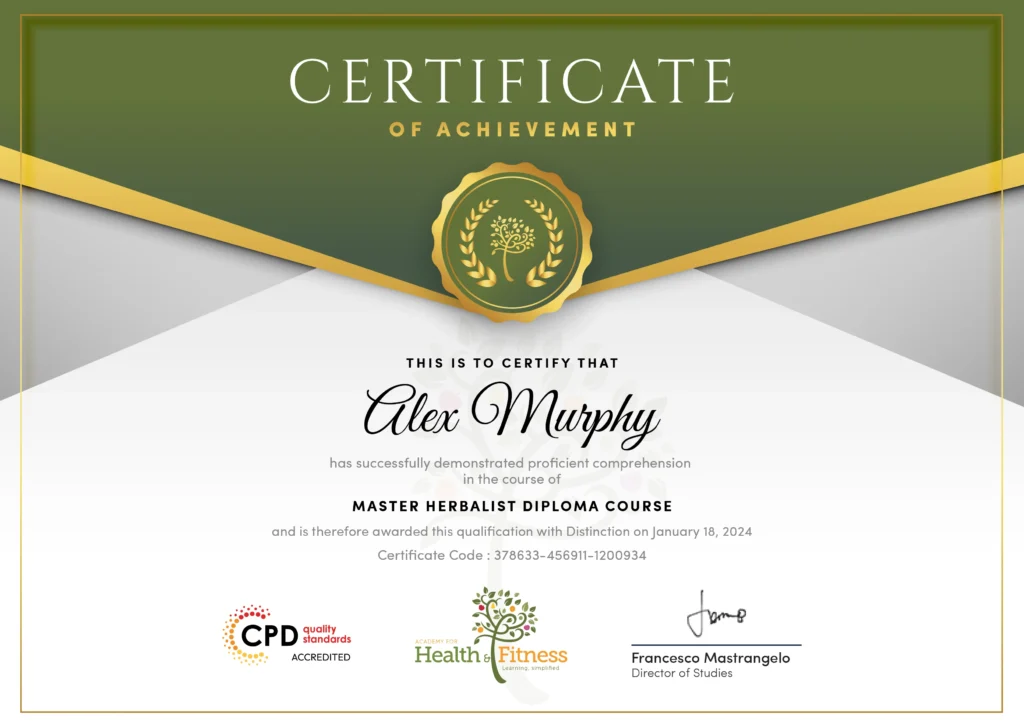
After successfully completing the Online Clinical Coding Course, you will qualify for a CPD Certificate as proof of your continued professional development and achievement. This certificate can enhance your professional profile and showcase your commitment to building relevant skills and knowledge. You can receive your digital certificate for only £10, or request a printed hard copy sent by post for just £29 or both for £39.
The Online Clinical Coding Course includes an automated multiple-choice assessment designed to check your understanding of the key clinical coding topics covered throughout the course.
Learners need to score at least 60% to pass the MCQ exam. The course also includes assignment questions, which are designed to help deepen your understanding of the subject. After your assignment is assessed, tutor feedback may be provided to support your learning.
The Online Clinical Coding Course can support career development in clinical coding, health records, healthcare administration, medical records, health informatics, and clinical data support. Salaries vary depending on experience, location, employer, responsibilities, and additional qualifications.
A clinical coder reviews patient records and converts diagnoses, procedures, and clinical information into recognised codes. These codes help healthcare organisations organise data, support reporting, track activity, and maintain accurate records. The role requires attention to detail, confidentiality, medical terminology knowledge, and an understanding of coding systems.
An Online Clinical Coding Course usually covers clinical records, confidentiality, clinical terminology, ICD-10, OPCS-4, SNOMED CT, coding standards, patient data, and legal and ethical responsibilities. This course introduces the systems and principles used to classify healthcare information in hospitals, clinics, and health administration settings.
Yes, you can study clinical coding online as a beginner. This course is designed to introduce clinical coding from the foundation level, including terminology, records, confidentiality, and coding systems. Some jobs may require further training, workplace experience, or employer-specific requirements, but this course gives you a useful starting point.
Yes, this course covers ICD-10, OPCS-4, and SNOMED CT. ICD-10 supports diagnosis coding, OPCS-4 supports procedural coding, and SNOMED CT is used in clinical terminology. Learning about these systems helps learners understand how healthcare information is classified and recorded.
Clinical coding skills can be useful for learners interested in NHS, private healthcare, hospitals, clinics, medical records, healthcare administration, and health information roles. This course can support CV development and future learning, although employers may ask for additional experience, assessments, or specific recognised coding qualifications.
This course is assessed through an automated MCQ exam, with a required pass mark of at least 60%. Assignment questions are also included to help deepen your understanding, and tutor feedback may be provided after assessment. After completing the assessment requirements, learners can apply for their certificate.
The course duration is listed as 10 hours and 7 minutes, although completion time can vary depending on your study pace, revision time, and assessment progress. Since the course is online, learners can usually study around work, family, or other commitments.
Yes, after completing the Online Clinical Coding Course and passing the required assessment, you can claim a CPD accredited certificate. This can support your CPD record, CV, professional profile, or future learning plans by showing that you have studied clinical coding, clinical terminology, confidentiality, ICD-10, OPCS-4, and SNOMED CT.
| Module 01: Introduction to Clinical Coding | |||
| Introduction to Clinical Coding | 00:44:00 | ||
| Module 02: Introduction to Clinical Records Its Confidentiality | |||
| Introduction to Clinical Records and Its Confidentiality | 00:51:00 | ||
| Module 03: Clinical Terminology and Jargons | |||
| Clinical Terminology and Jargons | 00:44:00 | ||
| Module 04: Introduction to ICD-10 Coding | |||
| Introduction to ICD-10 Coding | 00:34:00 | ||
| Module 05: General Coding Standards of ICD-10 | |||
| General Coding Standards of ICD-10 | 00:44:00 | ||
| Module 06: ICD-10 5th Edition Codes (Chapter 1 to 4) | |||
| ICD-10 5th Edition Codes (Chapter 1 to 4) | 00:46:00 | ||
| Module 07: ICD-10 5th Edition Codes (Chapter 5 to 10) | |||
| ICD-10 5th Edition Codes (Chapter 5 to 10) | 01:02:00 | ||
| Module 08: ICD-10 5th Edition Codes (Chapter 11 to 15) | |||
| ICD-10 5th Edition Codes (Chapter 11 to 15) | 01:00:00 | ||
| Module 09: ICD-10 5th Edition Codes (Chapter 16 to 22) | |||
| ICD-10 5th Edition Codes (Chapter 16 to 22) | 01:04:00 | ||
| Module 10: Introduction to OPCS-4 | |||
| Introduction to OPCS-4 | 00:48:00 | ||
| Module 11: Introduction to SNOMED CT | |||
| Introduction to SNOMED CT | 00:41:00 | ||
| Module 12: Other types of Clinical Coding | |||
| Other types of Clinical Coding | 00:34:00 | ||
| Module 13: Legal and Ethical Aspects of Working in a Clinical Environment | |||
| Legal and Ethical Aspects of Working in a Clinical Environment | 00:35:00 | ||
| Assignment | |||
| Assignment – Online Clinical Coding Course | 00:00:00 | ||
| Module 01: Introduction to Clinical Coding | |||
| Introduction to Clinical Coding | 00:44:00 | ||
| Module 02: Introduction to Clinical Records Its Confidentiality | |||
| Introduction to Clinical Records and Its Confidentiality | 00:51:00 | ||
| Module 03: Clinical Terminology and Jargons | |||
| Clinical Terminology and Jargons | 00:44:00 | ||
| Module 04: Introduction to ICD-10 Coding | |||
| Introduction to ICD-10 Coding | 00:34:00 | ||
| Module 05: General Coding Standards of ICD-10 | |||
| General Coding Standards of ICD-10 | 00:44:00 | ||
| Module 06: ICD-10 5th Edition Codes (Chapter 1 to 4) | |||
| ICD-10 5th Edition Codes (Chapter 1 to 4) | 00:46:00 | ||
| Module 07: ICD-10 5th Edition Codes (Chapter 5 to 10) | |||
| ICD-10 5th Edition Codes (Chapter 5 to 10) | 01:02:00 | ||
| Module 08: ICD-10 5th Edition Codes (Chapter 11 to 15) | |||
| ICD-10 5th Edition Codes (Chapter 11 to 15) | 01:00:00 | ||
| Module 09: ICD-10 5th Edition Codes (Chapter 16 to 22) | |||
| ICD-10 5th Edition Codes (Chapter 16 to 22) | 01:04:00 | ||
| Module 10: Introduction to OPCS-4 | |||
| Introduction to OPCS-4 | 00:48:00 | ||
| Module 11: Introduction to SNOMED CT | |||
| Introduction to SNOMED CT | 00:41:00 | ||
| Module 12: Other types of Clinical Coding | |||
| Other types of Clinical Coding | 00:34:00 | ||
| Module 13: Legal and Ethical Aspects of Working in a Clinical Environment | |||
| Legal and Ethical Aspects of Working in a Clinical Environment | 00:35:00 | ||
| Assignment | |||
| Assignment – Online Clinical Coding Course | 00:00:00 | ||