Modern slavery can remain hidden behind ordinary situations, leaving vulnerable people at risk of exploitation. Build awareness of UK law, contemporary slavery and victim identification before missed warning signs have serious consequences. Enrol today.
4.5
(6 Reviews)
73 Students
Exclusive Deal! 94% Off, Today Only!
Sale Ends In
Modern slavery is often hidden from public view, with exploitation taking place in workplaces, homes and communities across the UK. Failing to recognise potential indicators can mean vulnerable people remain unseen and unsupported. Understanding the legal framework and recognising signs of exploitation can therefore be an important part of safeguarding and responsible professional practice.
This course provides a focused introduction to modern slavery in the UK, beginning with its meaning, forms and wider context. You will explore the laws relating to modern slavery and examine how contemporary slavery can occur in different circumstances. The course also develops awareness of potential indicators that may help professionals and others recognise possible victims and respond through appropriate safeguarding and reporting procedures.
By the end of the course, you will have a stronger foundation for understanding modern slavery, its legal implications and the challenges surrounding victim identification. Develop your awareness now and be better prepared to recognise concerns that might otherwise remain overlooked.
There are no formal prerequisites to enrol in this Modern Slavery in UK course. It is suitable for both beginners and individuals already working in care who want to develop their skills further.
The course is fully accessible online, allowing you to study from home using any internet-enabled device.
All you need is a willingness to learn, basic literacy skills, and to be over the age of 16.
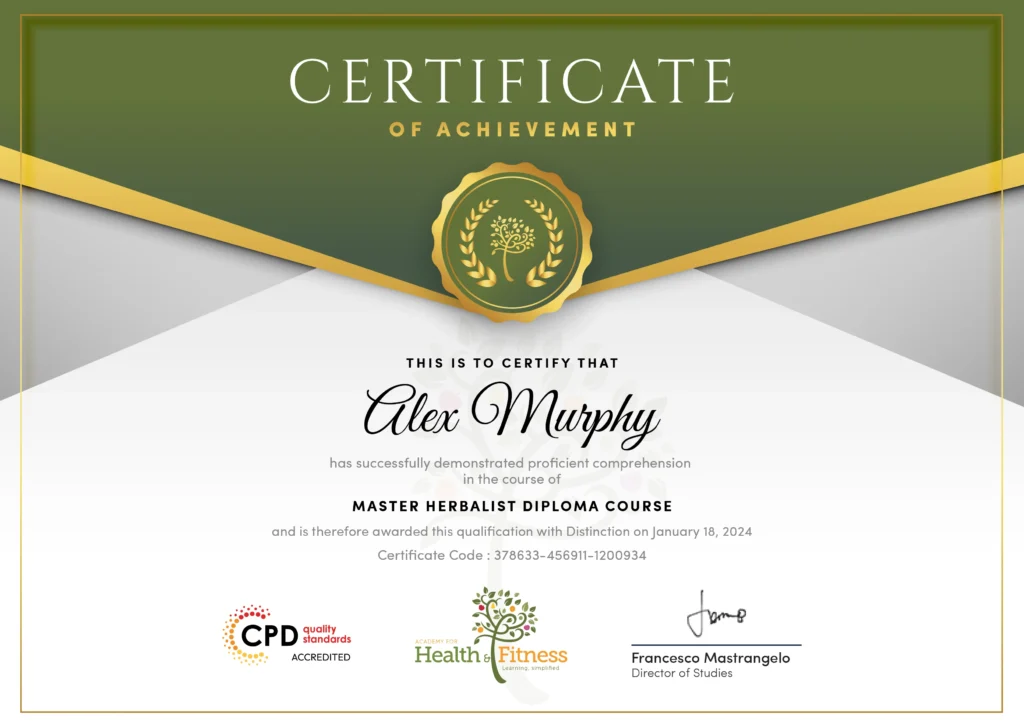
After successfully completing the course, you will qualify for a CPD Certificate as proof of your continued professional development and achievement. This certificate can enhance your professional profile and showcase your commitment to building relevant skills and knowledge. You can receive your digital certificate for only £10, or request a printed hard copy sent by post for just £29 or both for £39.
For assessing your learning, you have to complete an automated MCQ exam. It is required for the students to score at least 60% to pass the exam and fulfil the Quality Licence Scheme-endorsed certificate criteria. Learners can apply for the certificate after they clear the exam.
There are assignment questions provided at the end of the course. You are suggested to complete the questions to enrich your understanding of the course. You can complete this according to your preferred time. The expert tutor will provide feedback on your performance after assessing your assignment.
Awareness of modern slavery can strengthen safeguarding, compliance and victim-support knowledge across several UK sectors. This course can complement existing qualifications and workplace experience, although it does not itself qualify learners for regulated or specialist professional roles.
Salary ranges are indicative UK figures and can vary according to experience, location, employer, working hours and qualifications.
Modern slavery describes situations where people are exploited and controlled through means such as force, coercion, deception or abuse of vulnerability. It can take several forms, including forced labour and trafficking.
Modern slavery can occur in workplaces, private homes, communities and other environments. Exploitation may be difficult to identify because victims can face threats, dependency, isolation or fear of authorities.
The Modern Slavery Act 2015 is a key piece of legislation in England and Wales addressing slavery, servitude, forced labour and human trafficking. Legal arrangements differ across the UK, so professional responsibilities should be considered within the relevant jurisdiction.
Modern slavery can involve forced labour, domestic servitude, sexual exploitation and criminal exploitation, among other forms. Different types of exploitation can overlap within the same situation.
Identifying potential victims is important because exploitation can remain hidden without appropriate awareness. Recognising indicators can help professionals follow safeguarding, referral and reporting procedures.
Potential indicators can include restricted freedom, poor living or working conditions, signs of control, withheld documents and fearfulness. No single indicator proves exploitation, so concerns should be assessed carefully and reported appropriately.
Â
People experiencing poverty, insecure housing, isolation, dependency or other vulnerabilities may face increased risks of exploitation. However, modern slavery can affect people from diverse backgrounds and circumstances.
Concerns should be raised through the appropriate safeguarding, organisational or statutory reporting route. The response should prioritise safety, confidentiality and the rights of the potential victim.
Â
Yes. The course develops awareness of modern slavery, UK law, contemporary forms of exploitation and potential indicators associated with victims.
Â
No. It provides introductory knowledge and awareness rather than professional investigative authority or a regulated qualification. It can complement existing professional training and experience in safeguarding, care, compliance or related fields.
| Module 01: Introduction to Modern Slavery | |||
| Introduction to Modern Slavery | 00:27:00 | ||
| Module 02: Law Relating to Modern Slavery | |||
| Law Relating to Modern Slavery | 00:28:00 | ||
| Module 03: Contemporary Slavery in the UK | |||
| Contemporary Slavery in the UK | 00:28:00 | ||
| Module 04: Identifying Victims | |||
| Identifying Victims | 00:42:00 | ||
| Module 01: Introduction to Modern Slavery | |||
| Introduction to Modern Slavery | 00:27:00 | ||
| Module 02: Law Relating to Modern Slavery | |||
| Law Relating to Modern Slavery | 00:28:00 | ||
| Module 03: Contemporary Slavery in the UK | |||
| Contemporary Slavery in the UK | 00:28:00 | ||
| Module 04: Identifying Victims | |||
| Identifying Victims | 00:42:00 | ||