Supporting SEND learners’ mental health is essential, yet many educators feel unsure how to help effectively. Avoid missing early signs and interventions. Build confidence and practical skills today — enrol today.
4.5
(6 Reviews)
49 Students
Exclusive Deal! 94% Off, Today Only!
Sale Ends In
Children and young people with Special Educational Needs and Disabilities (SEND) face unique mental health challenges that often go unnoticed. Misunderstandings or delayed support can lead to emotional difficulties, behavioural issues, and learning setbacks. In the UK, early identification and appropriate interventions are crucial for fostering well-being and academic success.
This course guides educators, teaching assistants, and care professionals through the essentials of SEND and mental health. You will explore how to assess and identify early signs of mental health needs, understand emotional regulation strategies, and apply classroom and whole-school approaches to support learners effectively. Practical tools and interventions are covered alongside relevant policies, ethical considerations, and future directions in SEND mental health support.
By completing this course, you will be equipped to recognise mental health concerns, implement effective strategies, and provide timely support for SEND learners. Don’t wait until challenges escalate — enhance your skills and confidence in supporting SEND mental health today.
There are no formal prerequisites to enrol in this Health and Social Care Level 4 course. It is suitable for both beginners and individuals already working in care who want to develop their skills further.
The course is fully accessible online, allowing you to study from home using any internet-enabled device.
All you need is a willingness to learn, basic literacy skills, and to be over the age of 16.
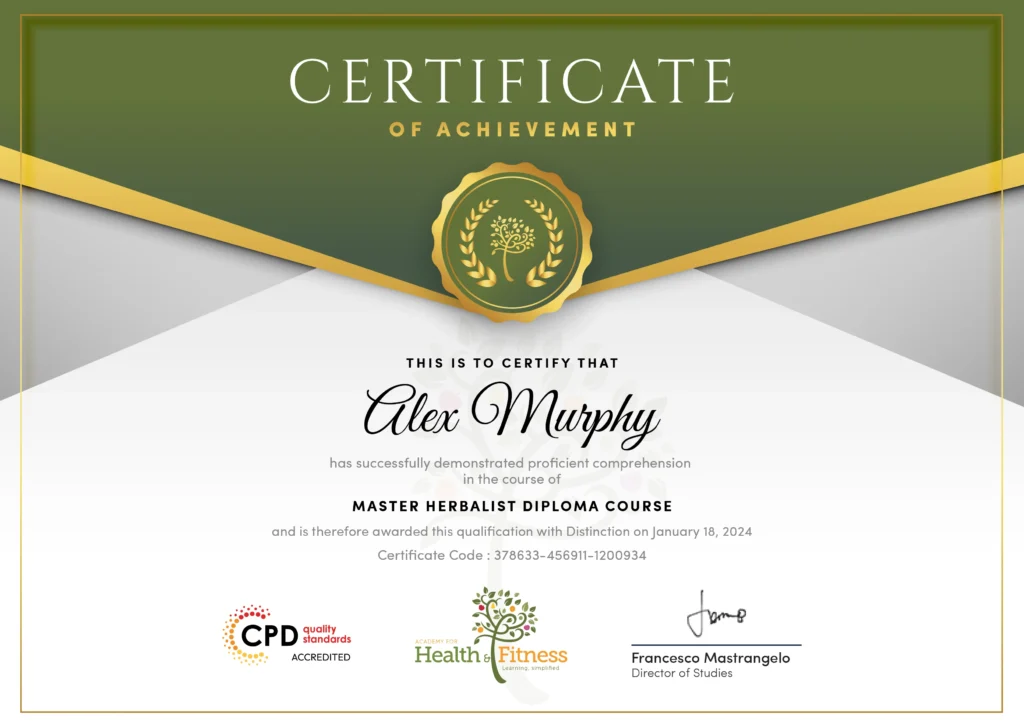
After successfully completing the course, you will qualify for a CPD Certificate as proof of your continued professional development and achievement. This certificate can enhance your professional profile and showcase your commitment to building relevant skills and knowledge. You can receive your digital certificate for only £10, or request a printed hard copy sent by post for just £29 or both for £39.
For assessing your learning, you have to complete an automated MCQ exam. It is required for the students to score at least 60% to pass the exam and fulfil the Quality Licence Scheme-endorsed certificate criteria. Learners can apply for the certificate after they clear the exam.
There are assignment questions provided at the end of the course. You are suggested to complete the questions to enrich your understanding of the course. You can complete this according to your preferred time. The expert tutor will provide feedback on your performance after assessing your assignment.
This course equips learners with practical skills and knowledge highly valued in the UK education and care sectors. Mental health expertise for SEND learners opens pathways into specialised educational, social care, and therapeutic roles.
SEND refers to Special Educational Needs and Disabilities. It can impact emotional regulation, social skills, and learning, requiring tailored mental health support.
Recognising challenges early allows timely interventions, preventing escalation and supporting academic and emotional development.
Â
It helps learners manage feelings, reduce behavioural issues, and engage effectively in education and social settings.
Classroom strategies foster a supportive environment, encouraging inclusion and promoting emotional well-being.
Targeted tools, coping strategies, and collaborative planning with specialists improve learners’ resilience and engagement.
Legislation ensures access to appropriate services, safeguarding, and inclusion within education and social care systems.
Respecting privacy, informed consent, and equitable support are essential when working with vulnerable learners.
By promoting awareness, staff training, and coordinated support across classrooms and pastoral care teams.
Greater integration of technology, early interventions, and inclusive policies are guiding modern SEND practice.
You can assess needs, implement interventions, advise colleagues, and support SEND learners’ well-being effectively.
| Introduction | |||
| Introduction | 00:06:00 | ||
| Module 1: Understanding SEND and Mental Health | |||
| Module 1: Understanding SEND and Mental Health Part 2 | 00:03:00 | ||
| Module 2: Identification, Assessment, and Early Support | |||
| Module 2: Identification, Assessment, and Early Support Part 1 | 00:03:00 | ||
| Module 2: Identification, Assessment, and Early Support Part 2 | 00:04:00 | ||
| Module 3: Emotional Well-Being and Regulation | |||
| Module 3: Emotional Well-Being and Regulation Part 1 | 00:03:00 | ||
| Module 3: Emotional Well-Being and Regulation Part 2 | 00:05:00 | ||
| Module 4: Classroom and Whole-School Approaches | |||
| Module 4: Classroom and Whole-School Approaches Part 1 | 00:03:00 | ||
| Module 4: Classroom and Whole-School Approaches Part 2 | 00:05:00 | ||
| Module 5: Practical Interventions and Tools | |||
| Module 5: Practical Interventions and Tools Part 1 | 00:03:00 | ||
| Module 5: Practical Interventions and Tools Part 2 | 00:04:00 | ||
| Module 6: Policy, Ethics, and Future Directions | |||
| Module 6: Policy, Ethics, and Future Directions Part 1 | 00:06:00 | ||
| Module 6: Policy, Ethics, and Future Directions Part 2 | 00:03:00 | ||
| Introduction | |||
| Introduction | 00:06:00 | ||
| Module 1: Understanding SEND and Mental Health | |||
| Module 1: Understanding SEND and Mental Health Part 2 | 00:03:00 | ||
| Module 2: Identification, Assessment, and Early Support | |||
| Module 2: Identification, Assessment, and Early Support Part 1 | 00:03:00 | ||
| Module 2: Identification, Assessment, and Early Support Part 2 | 00:04:00 | ||
| Module 3: Emotional Well-Being and Regulation | |||
| Module 3: Emotional Well-Being and Regulation Part 1 | 00:03:00 | ||
| Module 3: Emotional Well-Being and Regulation Part 2 | 00:05:00 | ||
| Module 4: Classroom and Whole-School Approaches | |||
| Module 4: Classroom and Whole-School Approaches Part 1 | 00:03:00 | ||
| Module 4: Classroom and Whole-School Approaches Part 2 | 00:05:00 | ||
| Module 5: Practical Interventions and Tools | |||
| Module 5: Practical Interventions and Tools Part 1 | 00:03:00 | ||
| Module 5: Practical Interventions and Tools Part 2 | 00:04:00 | ||
| Module 6: Policy, Ethics, and Future Directions | |||
| Module 6: Policy, Ethics, and Future Directions Part 1 | 00:06:00 | ||
| Module 6: Policy, Ethics, and Future Directions Part 2 | 00:03:00 | ||