Mental health concerns affect one in four people in the UK each year, yet early signs are often overlooked in care settings. Enrol now to strengthen awareness before missed indicators impact wellbeing and quality of care.
4.5
(6 Reviews)
128 Students
Exclusive Deal! 94% Off, Today Only!
Sale Ends In
Mental health conditions affect approximately one in four individuals in the UK each year, placing increasing responsibility on carers and nurses to recognise early indicators and respond with informed awareness. In health and social care environments, delayed recognition of mental health concerns can impact wellbeing, communication, and quality of support. As expectations for compassionate and person-centred care continue to rise, employers value professionals who understand mental health awareness within caregiving roles.
This Level 2 Mental Health Awareness Training for Carers and Nurses course develops essential knowledge of mental health in care settings. You will explore common mental health problems, behavioural indicators, and effective communication strategies that support respectful and empathetic interactions. The programme also addresses the mental wellbeing of carers and nurses, emphasising professional resilience and responsible self-awareness within demanding care environments.
By completing this course, you enhance your ability to recognise mental health concerns with confidence and sensitivity. Strengthen your awareness now before overlooked signs affect well-being, professional responsibility, and quality of care delivery.
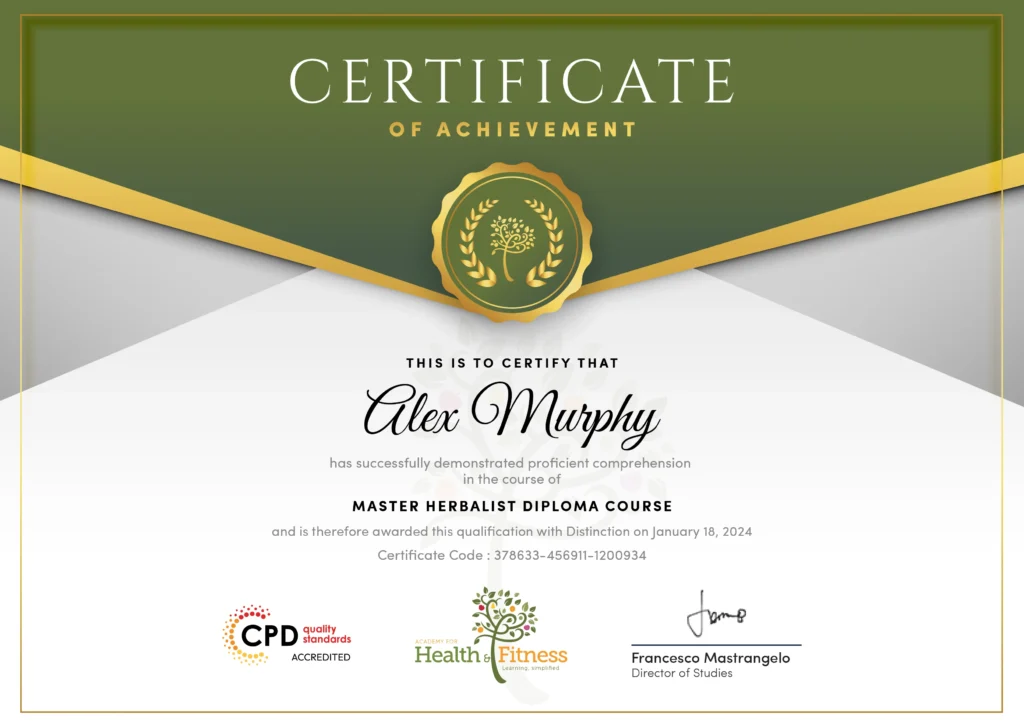
After successfully completing the course, you will qualify for a CPD Certificate as proof of your continued professional development and achievement. This certificate can enhance your professional profile and showcase your commitment to building relevant skills and knowledge. You can receive your digital certificate for only £10, or request a printed hard copy sent by post for just £29 or both for £39.
For assessing your learning, you have to complete an automated MCQ exam. It is required for the students to score at least 60% to pass the exam. Learners can apply for the certificate after they clear the exam.
There are assignment questions provided at the end of the course. You are suggested to complete the questions to enrich your understanding of the course. You can complete this according to your preferred time. The expert tutor will provide feedback on your performance after assessing your assignment.
There are no prerequisites, and you may use any internet-enabled device to study at your own speed, it is adaptable and available to students of all skill levels.
Mental health awareness is increasingly essential across UK healthcare, social care, and community support services. Employers prioritise professionals who demonstrate compassionate understanding, communication skills, and awareness of mental health needs within caregiving environments.
Healthcare Assistant
Supports patients in hospitals, clinics, and community healthcare settings with daily care needs. Applies mental health awareness to enhance compassionate support and patient wellbeing. Average salary £22,000–£30,000.
Support Worker (Mental Health)
Provides assistance to individuals with mental health conditions in residential or community settings. Promotes independence and wellbeing through informed and empathetic care practices. Average salary £22,000–£32,000.
Care Assistant
Supports vulnerable individuals in residential and domiciliary care environments. Applies mental health awareness to deliver person-centred and respectful care services. Average salary £21,000–£28,000.
Nursing Assistant
Works alongside registered nurses to support patient care and clinical activities. Demonstrates awareness of mental health needs within healthcare environments. Average salary £23,000–£32,000.
Residential Care Worker
Provides support within care homes for elderly or vulnerable individuals. Applies communication and mental health awareness to enhance quality of life.
Average salary £22,000–£30,000.
Community Support Worker
Supports individuals living independently within community healthcare services. Promotes wellbeing through structured support and mental health awareness practices. Average salary £23,000–£33,000.
Mental Health Support Assistant
Assists professionals in delivering support to individuals experiencing mental health challenges. Applies awareness-based knowledge to support recovery-oriented care environments. Average salary £23,000–£34,000.
Domiciliary Care Worker
Provides in-home care services to individuals requiring personal and emotional support. Applies mental health awareness to ensure safe and compassionate service delivery. Average salary £21,000–£29,000.
Healthcare Support Practitioner
Supports multidisciplinary teams across healthcare and community care environments. Enhances patient care through awareness of mental health and communication strategies. Average salary £24,000–£35,000.
Wellbeing Support Officer
Promotes emotional well-being within healthcare, care homes, or community organisations. Supports inclusive and supportive environments aligned with mental health awareness principles. Average salary £24,000–£36,000.
Level 3 training provides advanced awareness of mental health challenges within construction environments. It focuses on leadership responsibility, risk management and organisational accountability. The course supports strategic wellbeing initiatives across the sector.
Construction workers often experience higher levels of stress, fatigue and isolation. These factors can impact safety, productivity and wellbeing. Structured awareness promotes safer and more supportive working environments.
UK legislation, including the Health and Safety at Work Act and Equality Act, requires employers to consider employee wellbeing. Organisations must manage psychosocial risks and provide supportive working conditions. Compliance reduces legal and reputational risk.
These involve multiple or overlapping mental health challenges, such as anxiety combined with substance misuse or depression. Such conditions require structured understanding and coordinated support. Awareness strengthens responsible intervention and safeguarding.
Poor mental wellbeing can impair concentration, decision-making and risk perception. These factors increase the likelihood of workplace incidents. Promoting mental health awareness supports safer operational performance.
Leadership influences organisational culture, openness and accountability. Supportive leadership encourages early discussion and reduces stigma. Effective management strengthens workforce resilience and wellbeing.
Risk assessments identify psychosocial hazards such as workload pressure, fatigue and isolation. Data-driven approaches support proactive intervention strategies. Structured assessment improves organisational safety and compliance.
Yes, the course aligns with UK health and safety frameworks and wellbeing guidance. It strengthens understanding of legal duties and organisational accountability. Compliance awareness supports defensible workplace practices.
Construction managers, site supervisors, HR professionals and health and safety practitioners benefit most. The course is designed for leadership and compliance roles. It supports strategic wellbeing and risk management responsibilities.
Advanced mental health awareness enhances leadership credibility and professional competence. Employers increasingly prioritise wellbeing-focused management capability. The course supports progression into supervisory, compliance and senior management roles.
| Introduction | |||
| Introduction | 00:01:00 | ||
| 1. Understanding Mental Health in Care Settings | |||
| 1.1. Understanding Mental Health in Care Settings | 00:00:22 | ||
| 1.1.1. Common Mental Health Disorders in Care Environments | 00:00:29 | ||
| 1.1.2. The Impact of Care on Mental Health | 00:00:35 | ||
| 1.1.3. Legal and Ethical Considerations for Carers | 00:00:35 | ||
| 1.1.4. Maintaining Boundaries and Professionalism | 00:00:40 | ||
| Module 01: Assessment | |||
| Quiz 1 -Mental Health Awareness Training for Carers and N L2 | 00:00:00 | ||
| 2. Recognising Mental Health Problems | |||
| 2.1. Recognising Mental Health Problems | 00:00:29 | ||
| 2.1.1. Anxiety and Depression in Care | 00:00:39 | ||
| 2.1.2. Bipolar Disorder and Schizophrenia | 00:00:37 | ||
| 2.1.3. Dementia and Cognitive Disorders | 00:00:40 | ||
| 2.1.4. Post-Traumatic Stress Disorder (PTSD) | 00:00:38 | ||
| 2.1.5. Early Signs and Importance of Timely Intervention | 00:00:28 | ||
| Module 02: Assessment | |||
| Quiz 2 -Mental Health Awareness Training for Carers and N L2 | 00:00:00 | ||
| 3. Effective Communication Strategies | |||
| 3.1. Effective Communication Strategies | 00:00:31 | ||
| 3.1.1. Person-Centred Care Approaches | 00:00:38 | ||
| 3.1.2. Promoting Well-Being Through Routine | 00:00:46 | ||
| 3.1.3. Crisis Intervention and De-Escalation Techniques | 00:00:35 | ||
| 3.1.4. Supporting Families and Carers of Mental Health Sufferers | 00:00:41 | ||
| Module 03: Assessment | |||
| Quiz 3 -Mental Health Awareness Training for Carers and N L2 | 00:00:00 | ||
| 4. Mental Health of Carers and Nurses | |||
| 4.1. Mental Health of Carers and Nurses | 00:00:23 | ||
| 4.1.1. Recognising Signs of Stress and Burnout in Healthcare Professionals | 00:00:33 | ||
| 4.1.2. Stress Management Techniques for Carers and Nurses | 00:00:38 | ||
| 4.1.3. Maintaining Emotional Resilience in High-Stress Environments | 00:00:29 | ||
| 4.1.4. Work-Life Balance and Self-Care Techniques | 00:00:29 | ||
| 4.1.5. Accessing External Help and Resources | 00:00:35 | ||
| 4.1.6. The Role of Peer Support and Supervision | 00:00:29 | ||
| Module 04: Assessment | |||
| Quiz 4 -Mental Health Awareness Training for Carers and N L2 | 00:00:00 | ||
| Conclusion | |||
| Conclusion | 00:00:48 | ||
| Module 05: Assessment | |||
| Final Quiz -Mental Health Awareness Training for Carers and N L2 | 00:00:00 | ||
| Introduction | |||
| Introduction | 00:01:00 | ||
| 1. Understanding Mental Health in Care Settings | |||
| 1.1. Understanding Mental Health in Care Settings | 00:00:22 | ||
| 1.1.1. Common Mental Health Disorders in Care Environments | 00:00:29 | ||
| 1.1.2. The Impact of Care on Mental Health | 00:00:35 | ||
| 1.1.3. Legal and Ethical Considerations for Carers | 00:00:35 | ||
| 1.1.4. Maintaining Boundaries and Professionalism | 00:00:40 | ||
| Module 01: Assessment | |||
| Quiz 1 -Mental Health Awareness Training for Carers and N L2 | 00:00:00 | ||
| 2. Recognising Mental Health Problems | |||
| 2.1. Recognising Mental Health Problems | 00:00:29 | ||
| 2.1.1. Anxiety and Depression in Care | 00:00:39 | ||
| 2.1.2. Bipolar Disorder and Schizophrenia | 00:00:37 | ||
| 2.1.3. Dementia and Cognitive Disorders | 00:00:40 | ||
| 2.1.4. Post-Traumatic Stress Disorder (PTSD) | 00:00:38 | ||
| 2.1.5. Early Signs and Importance of Timely Intervention | 00:00:28 | ||
| Module 02: Assessment | |||
| Quiz 2 -Mental Health Awareness Training for Carers and N L2 | 00:00:00 | ||
| 3. Effective Communication Strategies | |||
| 3.1. Effective Communication Strategies | 00:00:31 | ||
| 3.1.1. Person-Centred Care Approaches | 00:00:38 | ||
| 3.1.2. Promoting Well-Being Through Routine | 00:00:46 | ||
| 3.1.3. Crisis Intervention and De-Escalation Techniques | 00:00:35 | ||
| 3.1.4. Supporting Families and Carers of Mental Health Sufferers | 00:00:41 | ||
| Module 03: Assessment | |||
| Quiz 3 -Mental Health Awareness Training for Carers and N L2 | 00:00:00 | ||
| 4. Mental Health of Carers and Nurses | |||
| 4.1. Mental Health of Carers and Nurses | 00:00:23 | ||
| 4.1.1. Recognising Signs of Stress and Burnout in Healthcare Professionals | 00:00:33 | ||
| 4.1.2. Stress Management Techniques for Carers and Nurses | 00:00:38 | ||
| 4.1.3. Maintaining Emotional Resilience in High-Stress Environments | 00:00:29 | ||
| 4.1.4. Work-Life Balance and Self-Care Techniques | 00:00:29 | ||
| 4.1.5. Accessing External Help and Resources | 00:00:35 | ||
| 4.1.6. The Role of Peer Support and Supervision | 00:00:29 | ||
| Module 04: Assessment | |||
| Quiz 4 -Mental Health Awareness Training for Carers and N L2 | 00:00:00 | ||
| Conclusion | |||
| Conclusion | 00:00:48 | ||
| Module 05: Assessment | |||
| Final Quiz -Mental Health Awareness Training for Carers and N L2 | 00:00:00 | ||