Mental health challenges can affect anyone, yet early signs are often overlooked until they become harder to manage. Build essential awareness, recognise warning signs, and support positive change. Enrol today.
4.5
(6 Reviews)
152 Students
Exclusive Deal! 94% Off, Today Only!
Sale Ends In
Many people experience mental health difficulties without recognising the early signs or knowing how to respond appropriately. In the UK, improving mental health awareness has become essential across workplaces, education, families, and communities, as delayed support can affect long-term wellbeing and daily life.
This course provides a clear understanding of mental health literacy, early identification, and prevention principles. You will explore children, youth, and family systems, alongside the role of education and community settings in promoting mental wellbeing. The course also covers diagnostics, ethical considerations, cultural relevance, integrated support systems, and future approaches to mental health strategy.
By completing this Mental Health Awareness & Early Intervention course, you will gain the knowledge to recognise concerns, encourage timely support, and contribute more confidently to mental health-focused environments. Develop your understanding before gaps in awareness limit your ability to make a meaningful difference.
There are no formal prerequisites to enrol in this Health and Social Care Level 4 course. It is suitable for both beginners and individuals already working in care who want to develop their skills further.
The course is fully accessible online, allowing you to study from home using any internet-enabled device.
All you need is a willingness to learn, basic literacy skills, and to be over the age of 16.
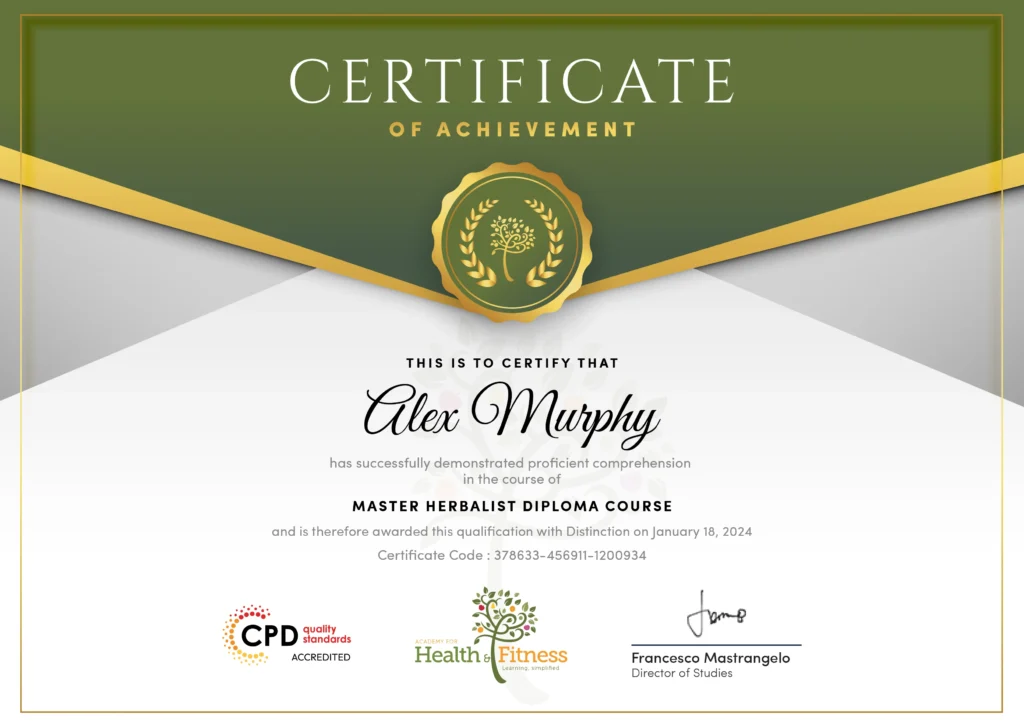
After successfully completing the course, you will qualify for a CPD Certificate as proof of your continued professional development and achievement. This certificate can enhance your professional profile and showcase your commitment to building relevant skills and knowledge. You can receive your digital certificate for only £10, or request a printed hard copy sent by post for just £29 or both for £39.
For assessing your learning, you have to complete an automated MCQ exam. It is required for the students to score at least 60% to pass the exam and fulfil the Quality Licence Scheme-endorsed certificate criteria. Learners can apply for the certificate after they clear the exam.
There are assignment questions provided at the end of the course. You are suggested to complete the questions to enrich your understanding of the course. You can complete this according to your preferred time. The expert tutor will provide feedback on your performance after assessing your assignment.
Understanding mental health awareness and early intervention principles can support careers across UK health, education, social care, and community services. These skills are increasingly valuable for professionals helping individuals access timely support and promoting positive wellbeing environments.
This course focuses on understanding mental health concepts and recognising early signs of concern. It helps learners develop knowledge for providing appropriate support and promoting wellbeing.
Early intervention helps identify concerns sooner and encourages timely access to suitable support. It can improve understanding and reduce the impact of untreated difficulties.
Â
Â
Mental health literacy helps people recognise challenges, challenge stigma, and respond appropriately. It supports healthier conversations across families, workplaces, and communities.
Â
Understanding children’s mental health helps identify emotional and behavioural concerns during important developmental stages. Early awareness can support better outcomes for young people and families.
Â
Education settings play a key role in recognising wellbeing concerns among learners. Awareness allows staff to provide appropriate support and signpost further help when needed.
Cultural awareness helps professionals provide respectful and inclusive support. It ensures mental health approaches consider different experiences, values, and backgrounds.
Â
Ethical principles guide responsible decision-making, confidentiality, and respectful interactions. They help ensure individuals receive appropriate and fair support.
Â
Prevention knowledge helps individuals understand risk factors and encourage healthier coping strategies. It supports proactive approaches to maintaining wellbeing.
Â
Integrated systems connect health, education, and community services to improve support pathways. This approach encourages collaboration between professionals and organisations.
Â
Many roles in health, education, social care, and community services benefit from this knowledge. It can strengthen confidence when supporting individuals experiencing mental health challenges.
| Module 1: Foundations of Mental Health Literacy | |||
| Foundations of Mental Health Literacy | 00:11:00 | ||
| Module 2: Early Identification and Prevention Principles | |||
| Early Identification and Prevention Principles | 00:12:00 | ||
| Module 3: Children, Youth, and Family Systems | |||
| Children, Youth, and Family Systems | 00:09:00 | ||
| Module 4: Mental Health in Education and Community Settings | |||
| Mental Health in Education and Community Settings | 00:09:00 | ||
| Module 5: Diagnostics, Ethics, and Cultural Relevance | |||
| Diagnostics, Ethics, and Cultural Relevance | 00:11:00 | ||
| Module 6: Integrated Systems and Strategic Responses | |||
| Integrated Systems and Strategic Responses | 00:09:00 | ||
| Module 7: Future Trends and Strategic Innovation | |||
| Future Trends and Strategic Innovation | 00:09:00 | ||
| Module 1: Foundations of Mental Health Literacy | |||
| Foundations of Mental Health Literacy | 00:11:00 | ||
| Module 2: Early Identification and Prevention Principles | |||
| Early Identification and Prevention Principles | 00:12:00 | ||
| Module 3: Children, Youth, and Family Systems | |||
| Children, Youth, and Family Systems | 00:09:00 | ||
| Module 4: Mental Health in Education and Community Settings | |||
| Mental Health in Education and Community Settings | 00:09:00 | ||
| Module 5: Diagnostics, Ethics, and Cultural Relevance | |||
| Diagnostics, Ethics, and Cultural Relevance | 00:11:00 | ||
| Module 6: Integrated Systems and Strategic Responses | |||
| Integrated Systems and Strategic Responses | 00:09:00 | ||
| Module 7: Future Trends and Strategic Innovation | |||
| Future Trends and Strategic Innovation | 00:09:00 | ||