Exclusive Deal! 94% Off, Today Only!
Sale Ends In
Although office environments are considered low risk, manual handling injuries remain a frequent cause of workplace discomfort and absence across the UK. The Health and Safety Executive reports that musculoskeletal disorders account for a significant percentage of lost working days annually, many linked to poor lifting technique and repetitive strain. Tasks such as moving office equipment, handling deliveries, and adjusting furniture can create preventable injury risks when undertaken without proper awareness or preparation.
This Manual Handling Training for Office Workers course provides practical guidance tailored to administrative and professional environments. Learners will explore safe lifting techniques, workstation preparation, risk assessment principles, and strategies for preventing strain during routine office tasks. The course also highlights posture awareness and ergonomic considerations relevant to modern workplaces.
By completing this course, participants strengthen injury prevention knowledge, support compliance with UK regulations, and contribute to a healthier, more safety-conscious office culture.
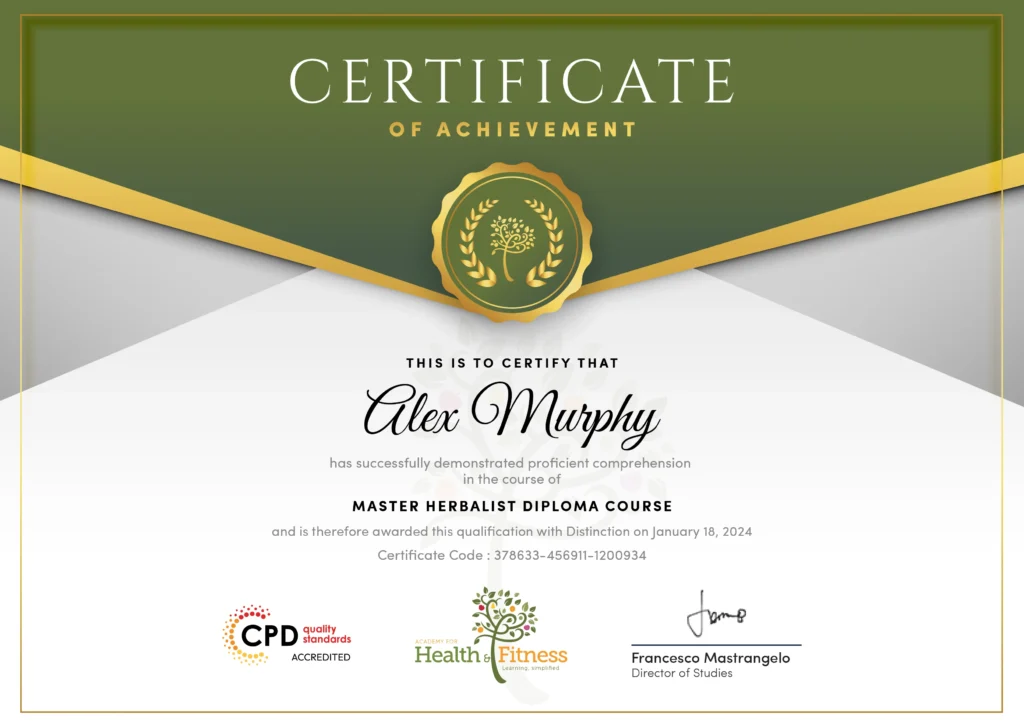
After successfully completing the course, you will qualify for a CPD Certificate as proof of your continued professional development and achievement. This certificate can enhance your professional profile and showcase your commitment to building relevant skills and knowledge. You can receive your digital certificate for only £10, or request a printed hard copy sent by post for just £29 or both for £39.
For assessing your learning, you have to complete an automated MCQ exam. It is required for the students to score at least 60% to pass the exam. Learners can apply for the certificate after they clear the exam.
There are assignment questions provided at the end of the course. You are suggested to complete the questions to enrich your understanding of the course. You can complete this according to your preferred time. The expert tutor will provide feedback on your performance after assessing your assignment.
There are no prerequisites, and you may use any internet-enabled device to study at your own speed, it is adaptable and available to students of all skill levels.
Manual handling awareness is essential across UK office-based roles, where equipment movement, workstation adjustments, and delivery handling occur regularly. This training strengthens workplace safety knowledge and supports progression into supervisory and compliance-focused positions.
Office Administrator
Manages office tasks including handling deliveries and equipment safely. Applies manual handling awareness to reduce strain-related injuries. Average salary £22,000–£30,000.
Facilities Coordinator
Oversees safe movement of furniture and office equipment. Ensures compliance with workplace safety procedures and risk assessments. Average salary £26,000–£38,000.
Office Manager
Supervises safe working practices within administrative environments. Promotes ergonomic awareness and injury prevention strategies. Average salary £28,000–£40,000.
HR Officer
Supports wellbeing initiatives including manual handling compliance. Monitors absence trends linked to musculoskeletal issues.
Average salary £28,000–£40,000.
Reception Supervisor
Manages front-of-house duties including safe equipment handling. Implements safe lifting practices within customer-facing environments. Average salary £23,000–£32,000.
Corporate Compliance Assistant
Supports documentation of risk assessments and safety controls. Ensures adherence to Manual Handling Operations Regulations. Average salary £25,000–£35,000.
Business Support Officer
Coordinates operational tasks involving manual handling responsibilities. Applies safe techniques when organising office resources. Average salary £24,000–£34,000.
Remote Work Coordinator
Advises staff on ergonomic setup and safe equipment handling. Supports injury prevention within hybrid working arrangements. Average salary £27,000–£38,000.
Administrative Team Leader
Oversees safe working practices among office teams. Promotes proactive health and safety awareness initiatives. Average salary £30,000–£42,000.
Workplace Safety Representative
Advocates for safe handling procedures within office settings. Supports ongoing review of workplace risk management processes. Average salary £26,000–£37,000.
This course focuses on safe lifting and movement tasks within office environments. It helps prevent musculoskeletal injuries and supports compliance with UK regulations.
Office staff frequently move equipment, furniture, and deliveries. Poor technique can lead to back strain and repetitive injuries.
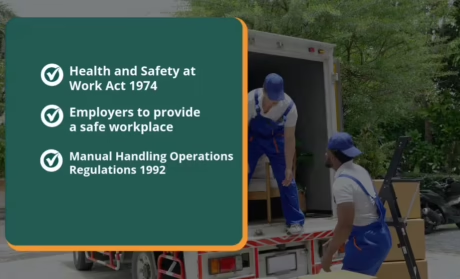
The Manual Handling Operations Regulations 1992 require employers to assess and reduce risks. These duties apply across all workplace environments, including offices.
Risks include lifting printers, moving boxes, adjusting desks, and repetitive reaching. These tasks can cause strain when performed incorrectly.
Yes, the course highlights ergonomic principles and posture considerations. Proper workstation setup reduces long-term strain.
Employers must provide safe systems of work and training, while employees must follow procedures and report hazards.
Yes, repetitive strain and poor lifting technique can cause gradual musculoskeletal disorders. Early awareness helps prevent chronic issues.
Yes, home-based staff also perform manual handling tasks. Safe equipment setup remains important in hybrid work settings.
It reduces absenteeism, supports legal compliance, and promotes workplace wellbeing. Fewer injuries lead to improved productivity.
Regular refresher training is recommended based on risk assessments. Employers determine intervals to maintain compliance and awareness.
| Introduction | |||
| Introduction | 00:00:50 | ||
| Module 1: Introduction to Manual Handling in the Office Environment | |||
| 1.1 – What is Manual Handling? | 00:00:01 | ||
| 1.2 – Recognising Manual Handling Hazards | 00:00:52 | ||
| 1.3 – Legal Responsibilities and Standards | 00:00:53 | ||
| 1.4 – Why Safe Manual Handling Matters | 00:00:52 | ||
| Module 2: Preparing for Safe Manual Handling Tasks | |||
| 2.1 – Assessing the Task and Environment | 00:00:42 | ||
| 2.2 – Planning the Lift or Move | 00:00:40 | ||
| 2.3 – Workspace Setup and Pathway Checks | 00:00:45 | ||
| 2.4 – Communication and Team Lifts | 00:00:48 | ||
| Module 3: Techniques for Safe Lifting and Moving | |||
| 3.1 – Posture and Positioning | 00:00:41 | ||
| 3.2 – Lifting Techniques for Office Tasks | 00:00:43 | ||
| 3.3 – Carrying and Lowering Loads | 00:00:46 | ||
| 3.4 – Using Equipment and Aids | 00:00:44 | ||
| Module 4: Preventing Injuries and Building a Safety Culture | |||
| 4.1 – Recognising Early Signs of Injury | 00:00:46 | ||
| 4.2 – Reporting and Responding to Incidents | 00:00:45 | ||
| 4.3 – Encouraging a Safe Lifting Culture | 00:00:46 | ||
| 4.4 – Reviewing and Improving Practices | 00:00:44 | ||
| Conclusion | |||
| Conclusion | 00:00:51 | ||
| Introduction | |||
| Introduction | 00:00:50 | ||
| Module 1: Introduction to Manual Handling in the Office Environment | |||
| 1.1 – What is Manual Handling? | 00:00:01 | ||
| 1.2 – Recognising Manual Handling Hazards | 00:00:52 | ||
| 1.3 – Legal Responsibilities and Standards | 00:00:53 | ||
| 1.4 – Why Safe Manual Handling Matters | 00:00:52 | ||
| Module 2: Preparing for Safe Manual Handling Tasks | |||
| 2.1 – Assessing the Task and Environment | 00:00:42 | ||
| 2.2 – Planning the Lift or Move | 00:00:40 | ||
| 2.3 – Workspace Setup and Pathway Checks | 00:00:45 | ||
| 2.4 – Communication and Team Lifts | 00:00:48 | ||
| Module 3: Techniques for Safe Lifting and Moving | |||
| 3.1 – Posture and Positioning | 00:00:41 | ||
| 3.2 – Lifting Techniques for Office Tasks | 00:00:43 | ||
| 3.3 – Carrying and Lowering Loads | 00:00:46 | ||
| 3.4 – Using Equipment and Aids | 00:00:44 | ||
| Module 4: Preventing Injuries and Building a Safety Culture | |||
| 4.1 – Recognising Early Signs of Injury | 00:00:46 | ||
| 4.2 – Reporting and Responding to Incidents | 00:00:45 | ||
| 4.3 – Encouraging a Safe Lifting Culture | 00:00:46 | ||
| 4.4 – Reviewing and Improving Practices | 00:00:44 | ||
| Conclusion | |||
| Conclusion | 00:00:51 | ||