Millions of children in UK schools struggle silently with anxiety or depression, often unnoticed until it affects learning. Learn to identify, support, and guide them effectively. Enrol today.
4.5
(6 Reviews)
55 Students
Exclusive Deal! 94% Off, Today Only!
Sale Ends In
Child anxiety and depression are increasingly recognised challenges within UK schools, yet many educators feel underprepared to address them. Untreated, these conditions can hinder academic progress, social development, and emotional wellbeing. With rising mental health referrals and growing awareness of the importance of early intervention, understanding these issues is vital for anyone working in education.
This course provides a structured framework to identify, assess, and support students experiencing mental health difficulties. You will explore universal classroom strategies, targeted small-group interventions, and individualised plans for complex presentations. Topics include triage, equity-focused approaches, and practical strategies to enhance emotional resilience and academic engagement.
By the end of this course, you will confidently implement evidence-based interventions, recognise early warning signs, and contribute to a supportive school environment. Gain the skills to ensure no child slips through the cracks and take proactive action today.
There are no formal prerequisites to enrol in this Health and Social Care Level 4 course. It is suitable for both beginners and individuals already working in care who want to develop their skills further.
The course is fully accessible online, allowing you to study from home using any internet-enabled device.
All you need is a willingness to learn, basic literacy skills, and to be over the age of 16.
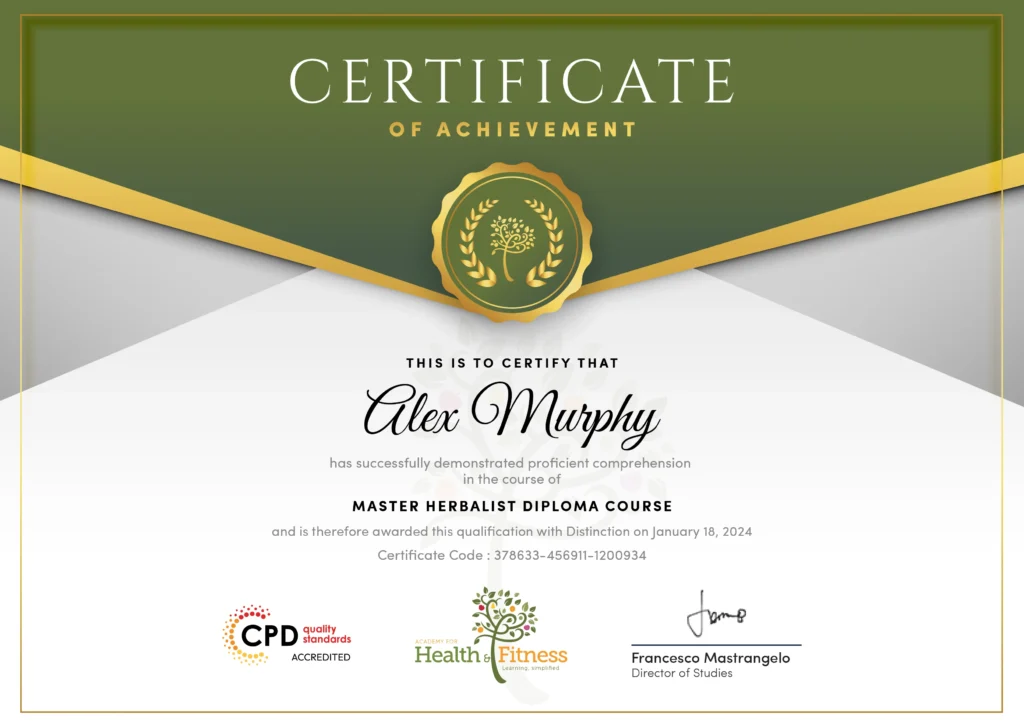
After successfully completing the course, you will qualify for a CPD Certificate as proof of your continued professional development and achievement. This certificate can enhance your professional profile and showcase your commitment to building relevant skills and knowledge. You can receive your digital certificate for only £10, or request a printed hard copy sent by post for just £29 or both for £39.
For assessing your learning, you have to complete an automated MCQ exam. It is required for the students to score at least 60% to pass the exam and fulfil the Quality Licence Scheme-endorsed certificate criteria. Learners can apply for the certificate after they clear the exam.
There are assignment questions provided at the end of the course. You are suggested to complete the questions to enrich your understanding of the course. You can complete this according to your preferred time. The expert tutor will provide feedback on your performance after assessing your assignment.
This course equips professionals to support child mental health in UK education, enhancing employability and career progression. Skills in identifying, supporting, and managing child anxiety and depression are in high demand.
These are emotional disorders affecting children’s learning, behaviour, and wellbeing. Early recognition is crucial for support and intervention.
Identifying difficulties early allows targeted support, reducing academic and social impact.
Teachers implement universal strategies, observe behaviours, and refer to specialists when necessary.
Equity ensures all children, regardless of background, receive consistent support and resources.
Universal classroom approaches applied to all students to promote wellbeing and resilience.
Targeted groups focus on children with mild to moderate difficulties using structured sessions.
Bespoke support tailored to complex presentations, often integrating specialists and external agencies.
Through monitoring emotional, behavioural, and academic outcomes over time.
Collaboration with families ensures consistency and reinforces strategies at home.
It equips staff with up-to-date strategies and evidence-based approaches to child mental health.
| Introduction | |||
| Introduction | 00:04:00 | ||
| Foundations, Identification and Triage | |||
| Foundations, Identification and Triage | 00:07:00 | ||
| Universal Prevention and Everyday Classroom Strategies (Tier 1) | |||
| Universal Prevention and Everyday Classroom Strategies (Tier 1) | 00:08:00 | ||
| Targeted Small-Group Supports (Tier 2) | |||
| Targeted Small-Group Supports (Tier 2) | 00:03:00 | ||
| Individualised Plans and Complex Presentations (Tier 3) | |||
| Individualised Plans and Complex Presentations (Tier 3) | 00:07:00 | ||
| Implementation, Equity and Impact | |||
| Implementation, Equity and Impact | 00:06:00 | ||
| Conclusion | |||
| Conclusion | 00:06:00 | ||
| Introduction | |||
| Introduction | 00:04:00 | ||
| Foundations, Identification and Triage | |||
| Foundations, Identification and Triage | 00:07:00 | ||
| Universal Prevention and Everyday Classroom Strategies (Tier 1) | |||
| Universal Prevention and Everyday Classroom Strategies (Tier 1) | 00:08:00 | ||
| Targeted Small-Group Supports (Tier 2) | |||
| Targeted Small-Group Supports (Tier 2) | 00:03:00 | ||
| Individualised Plans and Complex Presentations (Tier 3) | |||
| Individualised Plans and Complex Presentations (Tier 3) | 00:07:00 | ||
| Implementation, Equity and Impact | |||
| Implementation, Equity and Impact | 00:06:00 | ||
| Conclusion | |||
| Conclusion | 00:06:00 | ||