Launch your future with the Library and Information Science Diploma Course, a CPD-accredited programme supporting aspiring librarians, library assistants, archivists, records officers, and information professionals. Aimed at those who want to become organised, trusted custodians of knowledge, this career-focused diploma helps you manage collections, digital resources, cataloguing, and user services with confidence in modern library and information environments today online.
Exclusive Deal! 94% Off, Today Only!
Sale Ends In
Do you want to turn your love of books, knowledge, organisation, and digital resources into a essential career advantage? The Library and Information Science Diploma is relevant because modern libraries, archives, schools, universities, and information services need people who can organise collections, support users, manage records, and navigate digital access confidently.Â
In England alone, DCMS estimates 2,877 static public libraries remain open, Libraries Connected says there are roughly 4,000 public libraries across the UK, and the U.S. Bureau of Labor Statistics projects about 13,500 librarian openings each year on average from 2024 to 2034. That is not hype; it shows steady demand and constant replacement needs across knowledge services.
 In this Library and Information Science Diploma, you will learn organisation systems, library ethics, networking, infrastructure, budgeting, digital and virtual libraries, and legislation. You will build skills useful for library support, cataloguing, information management, archives, and user services. Whether you are exploring how to become a librarian, can I study library science online, or what is library and information science, this diploma gives you a credible starting point.Â
Enrol today and start building job-ready information skills for modern workplaces, education settings, heritage institutions, and community-facing services now.
Build essential knowledge that connects traditional library principles with modern digital information work. You will understand how libraries function, how collections and services are organised, how ethics and legislation shape professional practice, and how budgeting, networking, and virtual library systems support efficient, accessible, user-focused information services in contemporary settings today.
This Library and Information Science Diploma course online UK is designed to help you build essential, career-focused knowledge for library services, information organisation, cataloguing, digital resource support, and user-facing information roles, giving you the confidence and subject understanding employers and information-focused organisations increasingly value.
Whether you want to enter library services, strengthen administrative information skills, or move toward archives and digital resource work, this diploma suits beginners and developing professionals alike. It is useful for organised learners who value accuracy, service, ethics, and structured knowledge management in educational, public, and workplace settings today professionally.
There are no specific prerequisites to enrol in this Library and Information Science Diploma Course. Anyone and everyone can take this course.
The Library and Information Science Diploma Course is fully accessible from any internet-enabled smart device. So, you can study from the comfort of your home!
All you need is a passion for learning, basic literacy, and to be over the age of 16.
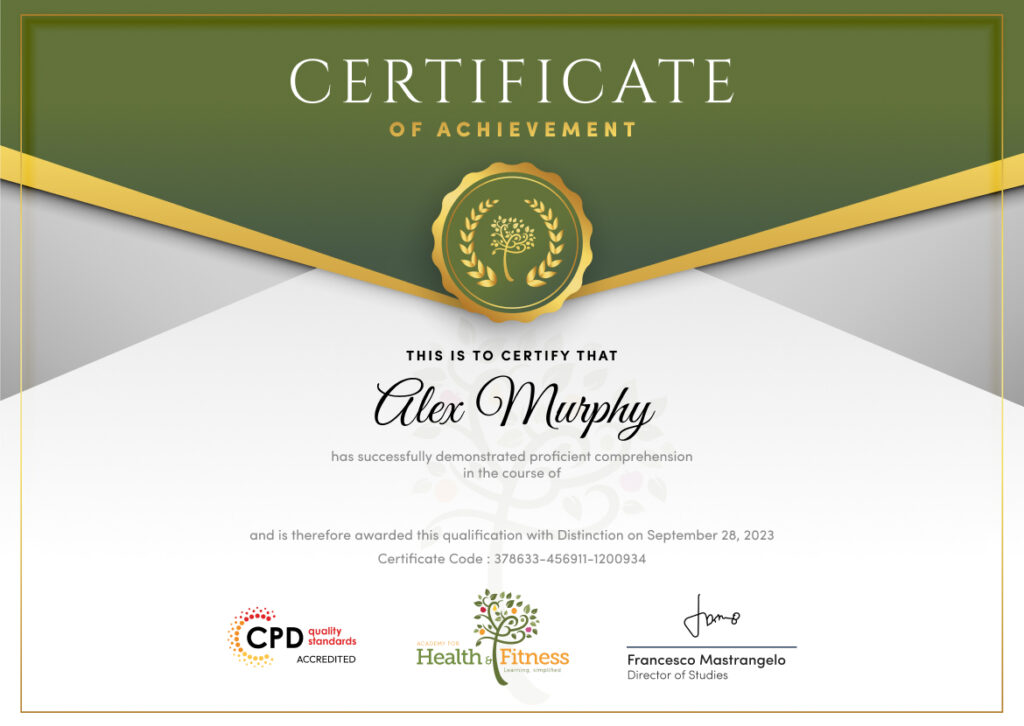
After successfully completing the course, you will qualify for a CPD Certificate as proof of your continued professional development and achievement. This certificate can enhance your professional profile and showcase your commitment to building relevant skills and knowledge. You can receive your digital certificate for only £10, or request a printed hard copy sent by post for just £29 or both for £39.
For assessing your learning, you have to complete an automated MCQ exam. It is required for the students to score at least 60% to pass the exam and fulfil the Quality Licence Scheme-endorsed certificate criteria. Learners can apply for the certificate after they clear the exam.
There are assignment questions provided at the end of the course. You are suggested to complete the questions to enrich your understanding of the course. You can complete this according to your preferred time. The expert tutor will provide feedback on your performance after assessing your assignment.
Library and information skills can support work across public libraries, schools, universities, archives, museums, records teams, and digital content environments. Employers value people who can organise information, improve access, support users, and manage systems responsibly. Below are realistic job paths this diploma can help you pursue in the UK today.
Library and information science is the study of how information is organised, stored, retrieved, managed, and delivered to users. It covers libraries, archives, cataloguing, digital resources, classification, information retrieval, and user services.
Yes. An online library and information science course is a practical option for learners who need flexible study. It works especially well for beginners, working professionals, and career changers who want structured learning without fixed classroom schedules.
Start by building knowledge in library services, information organisation, cataloguing, user support, and digital resources. Then strengthen your profile through training, volunteering, entry-level support work, or progression from assistant roles into broader library management and service positions.
It is worth it when the goal is practical skill-building, CV improvement, and a clearer route into library, archive, information support, or records-based roles. The value comes from job-relevant knowledge, not from pretending the qualification alone guarantees a career.
Common progression routes include librarian, library assistant, archivist, records manager, information officer, academic librarian, and information scientist. Related roles can also extend into digital content, data protection, technical documentation, and knowledge management where information organisation matters.
You will build knowledge in organisation systems, professional ethics, networking, budgeting, library infrastructure, digital and virtual libraries, and legislation. That gives you a foundation for library administration, information retrieval, user support, and collection-focused responsibilities.
Yes. Modern library work is not limited to physical shelves. Digital access, virtual libraries, online resources, discoverability, and user-friendly information systems now matter heavily, so digital library management is a relevant and necessary part of library science learning.
Yes. Library and information training supports transferable skills such as classification, records handling, access control, organised storage, legislation awareness, and user-focused retrieval. Those skills are highly relevant to archives, records management, and information governance environments.
No. A beginner-friendly diploma should start with core concepts and build upward. What matters more is whether you are organised, willing to learn systems, comfortable working with information, and interested in helping people access reliable resources properly.
It suits aspiring librarians, library assistants, archives beginners, administrative staff, education support workers, and anyone moving into information-focused roles. It is also useful for people who want structured knowledge in cataloguing, classification, metadata awareness, and organised information access.
A good option should cover core library functions, digital services, ethics, legislation, organisation systems, and user support. It should also be flexible, career-focused, and specific enough to help you apply what you learn in real library or information environments.
Yes, if it shows relevant subject knowledge and aligns with the roles you want. It will not replace experience, but it can make your CV more credible for entry-level library support, archives, records, and information administration opportunities.
| Library and Information Science | |||
| Module 01: Organisation Systems | 00:27:00 | ||
| Module 02: Ethics and Values in the Library Professions | 00:23:00 | ||
| Module 03: Library Networking | 00:15:00 | ||
| Module 04: Library As Infrastructure | 00:16:00 | ||
| Module 05: Finance And Budgeting | 00:16:00 | ||
| Module 06: Digital and Virtual Libraries | 00:21:00 | ||
| Module 07: Library Legislation | 00:25:00 | ||
| Mock Exam | |||
| Mock Exam – Library and Information Science diploma | 00:20:00 | ||
| Final Exam | |||
| Final Exam – Library and Information Science diploma | 00:20:00 | ||
| Assignment | |||
| Assignment – Library and Information Science Diploma Course | 2 weeks, 3 days | ||
| Certification | |||
| Claim Your Certificates | 00:00:00 | ||
| Library and Information Science | |||
| Module 01: Organisation Systems | 00:27:00 | ||
| Module 02: Ethics and Values in the Library Professions | 00:23:00 | ||
| Module 03: Library Networking | 00:15:00 | ||
| Module 04: Library As Infrastructure | 00:16:00 | ||
| Module 05: Finance And Budgeting | 00:16:00 | ||
| Module 06: Digital and Virtual Libraries | 00:21:00 | ||
| Module 07: Library Legislation | 00:25:00 | ||
| Mock Exam | |||
| Mock Exam – Library and Information Science diploma | 00:20:00 | ||
| Final Exam | |||
| Final Exam – Library and Information Science diploma | 00:20:00 | ||
| Assignment | |||
| Assignment – Library and Information Science Diploma Course | 2 weeks, 3 days | ||
| Certification | |||
| Claim Your Certificates | 00:00:00 | ||