Our CPD accredited Level 3 Diploma in Manual Handling explores injury prevention, risk assessments, relevant legislation, and safe practices for manual handling. This course equips you with the knowledge to manage and reduce risks effectively while ensuring a safer working environment for all.
Exclusive Deal! 94% Off, Today Only!
Sale Ends In
Manual handling is a vital skill in many industries, but poor practices can lead to serious injuries. Did you know that manual handling injuries account for over a third of workplace injuries each year? The Level 3 Diploma in Manual Handling is designed to help you develop the knowledge and skills to prevent injuries, understand the risks, and promote safe practices in the workplace.
This course covers the core principles of manual handling, including risk assessments, legislation, and safe practices. You’ll also learn how to prevent injuries and how to report accidents effectively. By the end of this course, you’ll be equipped with the practical skills to manage manual handling tasks safely, protect your team, and comply with legal requirements.
Ready to take control of workplace safety? Enrol in the Level 3 Diploma in Manual Handling and learn how to reduce risks and improve safety for yourself and your colleagues.
After completing the MCQ assessment, you will qualify for the CPD Certificate from HF Online as proof of your continued professional development. You can order your certificate at a cost of £10 for PDF and £29 for hardcopy certificate or both for £39.
For assessing your learning, you have to complete an automated MCQ exam. It is required for the students to score at least 60% to pass the exam. Learners can apply for the certificate after they clear the exam.
There are assignment questions provided at the end of the course. You are suggested to complete the questions to enrich your understanding of the course. You can complete this according to your preferred time. The expert tutor will provide feedback on your performance after assessing your assignment.
Graduating with the Level 3 Diploma in Manual Handling equips you with the essential skills needed to ensure workplace safety and reduce the risk of manual handling injuries. Here are 10 key roles you can pursue, each offering great salary potential and career growth:
Â
Â
Â
Â
Â
Â
Â
Â
Â
The Level 3 Diploma in Manual Handling equips you to make a significant impact in any industry by reducing manual handling risks and ensuring workplace safety. Whether working in health and safety roles, consulting, or training, the career opportunities are both rewarding and essential for maintaining a safe and efficient working environment.
Manual handling Level 3 refers to an entry level course that focuses on understanding the fundamentals of risks that are associated with manual handling tasks and applying strategies to reduce injury and ensure safety in the workplace. It includes in-depth knowledge of ergonomics, risk assessment, and the safe handling of materials and people.
To teach manual handling, you typically need a qualification in manual handling instruction, such as a Level 3 Manual Handling Trainer qualification. This course ensures that you understand both the practical and theoretical aspects of manual handling, including legislation, risk assessment, and teaching techniques.
No, not everyone can give manual handling training. Only qualified instructors with appropriate training and certification, such as a Level 3 Manual Handling Instructor qualification, are legally allowed to deliver this training. This ensures the safety of both the trainer and the participants.
The NHS manual handling course is a training programme designed to teach healthcare workers the safe techniques for lifting, moving, and handling patients, equipment, and other objects. The course focuses on preventing injury, assessing risk, and using proper posture and equipment to ensure safety in the workplace.
The most common manual handling injuries are musculoskeletal disorders, particularly back injuries, strains, and sprains. These injuries often occur due to improper lifting techniques, repetitive movements, or handling heavy or awkward objects.
Yes, you have the right to refuse to lift heavy objects at work if it poses a risk to your health and safety. Employers are legally required to provide safe working conditions and ensure that manual handling tasks are risk-assessed to prevent injury. If a task is unsafe, you should raise your concerns with your employer or supervisor.
The most commonly injured parts of the body at work are the back, shoulders, and wrists. These areas are particularly vulnerable to musculoskeletal injuries, especially when engaging in repetitive tasks or manual handling activities without proper ergonomics.
The five common types of manual handling tasks include:
To safely roll a patient, ensure you use proper body mechanics: keep your back straight, bend your knees, and use your legs for strength. If possible, work with a colleague to support the patient’s body evenly and prevent twisting. Use a slide sheet or transfer board for smoother movement and reduce strain.
For manual handling training in the NHS, wear comfortable clothing that allows free movement. It is advisable to wear flat, supportive shoes with good grip. Avoid wearing loose clothing that could hinder movement or present a tripping hazard during the training exercises.
| Module 01: Introduction to Manual Handling | |||
| Introduction to Manual Handling | 00:30:00 | ||
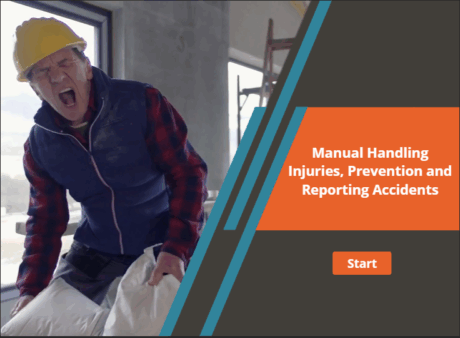
| Module 02: Manual Handling Injuries, Prevention and Reporting Accidents | |||
| Manual Handling Injuries, Prevention and Reporting Accidents | 00:18:00 | ||
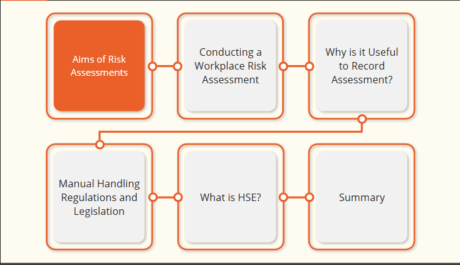
| Module 03: Manual Handling Risk Assessments and Legislation | |||
| Manual Handling Risk Assessments and Legislation | 00:20:00 | ||
| Module 04: Reducing, Controlling Risks and Safe Practices | |||
| Reducing, Controlling Risks and Safe Practices | 00:12:00 | ||
| Module 05: Test Your Knowledge | |||
| Test Your Knowledge with Interactive Questions | 00:45:00 | ||
| Additional Reading Materials | |||
| Additional Reading Materials – Introduction to Manual Handling | 04:00:00 | ||
| Assignment | |||
| Assignment – Introduction to Manual Handling | 2 weeks, 1 day | ||
| Order Your Certificate | |||
| Claim Your Certificates | 00:00:00 | ||
| Module 01: Introduction to Manual Handling | |||
| Introduction to Manual Handling | 00:30:00 | ||
| Module 02: Manual Handling Injuries, Prevention and Reporting Accidents | |||
| Manual Handling Injuries, Prevention and Reporting Accidents | 00:18:00 | ||
| Module 03: Manual Handling Risk Assessments and Legislation | |||
| Manual Handling Risk Assessments and Legislation | 00:20:00 | ||
| Module 04: Reducing, Controlling Risks and Safe Practices | |||
| Reducing, Controlling Risks and Safe Practices | 00:12:00 | ||
| Module 05: Test Your Knowledge | |||
| Test Your Knowledge with Interactive Questions | 00:45:00 | ||
| Additional Reading Materials | |||
| Additional Reading Materials – Introduction to Manual Handling | 04:00:00 | ||
| Assignment | |||
| Assignment – Introduction to Manual Handling | 2 weeks, 1 day | ||
| Order Your Certificate | |||
| Claim Your Certificates | 00:00:00 | ||