Level 3 Diploma in Health & Social Care + Care Certificate Standards (1–16) is a flexible online course designed to build your understanding of safeguarding, communication, dignity, and person-centred care. Ideal for aspiring care workers and support staff, it helps you develop essential skills for starting a career in the UK health and social care sector.
Exclusive Deal! 94% Off, Today Only!
Sale Ends In
This Level 3 Diploma in Health & Social Care + Care Certificate Standards (1–16) provides a clear introduction to health and social care training, care standards, and support work practices in real-life settings. This course covers essential topics such as person-centred care, safeguarding, communication, duty of care, infection control, nutrition, mental health awareness, and basic life support, helping you understand what is expected in professional care environments.
Designed as a complete online care course and Care Certificate training programme, it prepares you with the knowledge needed for roles in care homes, community care, and healthcare support settings. The structured learning approach makes it suitable for beginners while building confidence for real-world responsibilities.
After completing this course, you can explore roles such as Care Assistant, Support Worker, Healthcare Assistant, Residential Care Worker, or Community Care Worker.
If you want to start a meaningful career and build strong care skills, enrol today and take your first step into health and social care.
The Level 3 Diploma in Health & Social Care + Care Certificate Standards (1 to 16) provides structured learning for anyone preparing to enter or progress in the health and social care sector.
This online care course helps learners understand the standards, values, and responsibilities expected in professional care environments. You will build knowledge in safeguarding, communication, equality, duty of care, person-centred support, infection prevention, nutrition, mental health, privacy, dignity, and basic life support.
The course is suitable for beginners, career changers, aspiring care workers, support staff, and learners who want to organise their care knowledge clearly. It can support UK career opportunities such as care assistant, support worker, healthcare assistant, domiciliary care worker, residential care assistant, or community support worker.
Our Level 3 Diploma in Health & Social Care + Care Certificate Standards (1 to 16) builds job-relevant care knowledge, helping learners understand responsibilities, professional values, person-centred support, and frontline care standards.
By completing this course, learners will be able to:
This Level 3 Health and Social Care course builds knowledge in care standards, safeguarding, communication, and person-centred support for UK care roles.
Health and social care roles require confidence, compassion, safe practice, and a clear understanding of professional standards.
This Level 3 Diploma in Health & Social Care + Care Certificate Standards helps learners build practical knowledge in person-centred care, safeguarding, communication, duty of care, infection control, nutrition, mental health, and basic life support.
It can support UK career opportunities in care homes, hospitals, domiciliary care, supported living, community services, and charities, including roles such as care worker, healthcare assistant, support worker, residential support worker, family support worker, or community care worker.
Completing this Level 3 Diploma in Health & Social Care + Care Certificate Standards can support progression towards care, healthcare support, and community support roles.
Potential career paths include:
You can enrol in the Level 3 Diploma in Health & Social Care + Care Certificate Standards (1 to 16) with no prior qualifications or experience required. This course is designed to be accessible for beginners as well as learners aiming to build knowledge in health, social care, and support roles.
Start anytime and build valuable health and social care skills at your own pace.
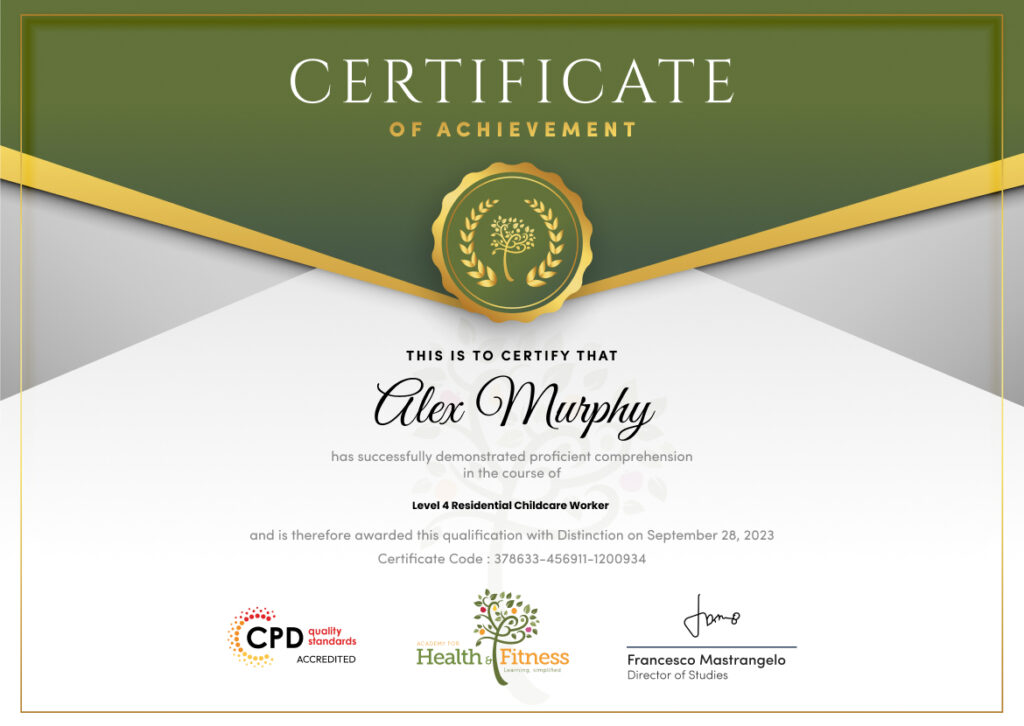
After successfully completing the Level 3 Diploma in Health & Social Care + Care Certificate Standards (1 to 16) course, you will qualify for a CPD Certificate as proof of your continued professional development and achievement. This certificate can enhance your professional profile and showcase your commitment to building relevant skills and knowledge. You can receive your digital certificate for only £10, or request a printed hard copy sent by post for just £29 or both for £39.
For assessing your learning, you have to complete an automated MCQ exam. It is required for the students to score at least 60% to pass the exam and fulfil the Quality Licence Scheme-endorsed certificate criteria. Learners can apply for the certificate after they clear the exam.
There are assignment questions provided at the end of the course. You are suggested to complete the questions to enrich your understanding of the course. You can complete this according to your preferred time. The expert tutor will provide feedback on your performance after assessing your assignment.
Completing this Level 3 Diploma in Health & Social Care + Care Certificate Standards can support progression towards care, healthcare support, and community support roles.
Potential career paths include:
Health and social care is the support given to people to help maintain health, wellbeing, dignity, independence, and safety. It includes practical care, emotional support, safeguarding, communication, and person-centred work across care homes, hospitals, and community settings.
The updated Care Certificate standards define the knowledge, skills, and behaviours expected of specific job roles in health and social care. Skills for Care says they can be used for people who are new to care and during induction.
The updated 2025 Care Certificate standards document lists 16 standards, including areas such as person-centred care, communication, privacy and dignity, safeguarding, infection prevention, nutrition, health and safety, handling information, and basic life support.
Yes. This course is suitable for beginners, career changers, and learners who want to build essential care knowledge and confidence in a structured way.
Not by itself. This course provides valuable theoretical knowledge and helps build confidence in health and social care topics, but it does not replace employer requirements, regulated qualifications, workplace induction, or role-specific training. It is best used as a strong preparation and progression step.
CQC says safeguarding means protecting people’s health, wellbeing, and human rights and enabling them to live free from harm, abuse, and neglect. It is described as fundamental to high-quality health and social care, not an optional extra.
Duty of care means acting in a way that protects the people you support from harm while respecting their rights, needs, and wellbeing. It shapes how care workers make decisions, manage risks, and respond to concerns or complaints.
Yes. You can study this course online at your own pace, with flexible access that suits learners balancing study around work, family life, or other responsibilities.
This course can support progression toward roles such as care worker, healthcare assistant, senior care worker, residential support worker, family support worker, and social work assistant. It is especially relevant for entry-level and support-focused care pathways in the UK.
| Standard 01: Understand your role | |||
| The Duties and Responsibilities of a Care Worker | 00:22:00 | ||
| Employment Rights and Responsibilities | 00:21:00 | ||
| Aims, objectives and values of the service | 00:12:00 | ||
| Responsibilities to the Individuals | 00:22:00 | ||
| Different Working Relationships in Care Settings | 00:09:00 | ||
| The Importance of Partnership Working | 00:15:00 | ||
| Standard 02: Your personal development | |||
| Identify Sources of Support for Own Learning and Development | 00:15:00 | ||
| Skills That Healthcare Professionals Need | 00:18:00 | ||
| Standard 03: Duty of Care | |||
| What Is Duty of Care | 00:35:00 | ||
| Dilemmas That may Arise Between the Duty of Care and an Individual’s Rights | 00:25:00 | ||
| Procedures for Responding to Complaints | 00:35:00 | ||
| Recognising Adverse Events, Incidents, Errors and Near Misses | 00:20:00 | ||
| Factors and Difficult Situations That may Cause Confrontation | 00:23:00 | ||
| Standard 04: Equality and Diversity | |||
| Understanding Diversity | 00:12:00 | ||
| Discrimination that can be Deliberately or Unintentional | 00:16:00 | ||
| legislation and codes of practice relating to equality | 00:12:00 | ||
| Respecting individuals’ beliefs, culture, values and preferences | 00:09:00 | ||
| Sources of Information for Diversity, Equality, and Inclusion | 00:07:00 | ||
| Standard 05: Work in A Person-Centred Way | |||
| Putting Person-Centred Values into Practice | 00:12:00 | ||
| The Importance of Finding out the History, Preferences, Wishes and Needs | 00:17:00 | ||
| Environmental Factors that may cause Discomfort or Distress | 00:08:00 | ||
| Raising concerns directly with the individual concerned | 00:10:00 | ||
| Caregiving is more than just monitoring medicines and driving to doctor | 00:16:00 | ||
| Ensuring the comfort of individuals where they have restricted movement | 00:15:00 | ||
| Promoting person centred values | 00:06:00 | ||
| Recognising the signs of pain or discomfort | 00:09:00 | ||
| Standard 06: Communication | |||
| Different Ways that People Communicate | 00:24:00 | ||
| Why it is important to observe and be receptive to an individual | 00:07:00 | ||
| Establishing an Individual’s Communication and Language Needs, Wishes ans Preferences | 00:09:00 | ||
| Barriers to Effective Communication | 00:14:00 | ||
| How to Check whether the Health Care Support Worker and Adult Social Care | 00:05:00 | ||
| What Is Confidentiality | 00:08:00 | ||
| The Use of Appropriate Verbal and Non-Verbal Communication | 00:16:00 | ||
| Communication Aids | 00:07:00 | ||
| Standard 07: Privacy and Dignity | |||
| What is meant by privacy and dignity | 00:17:00 | ||
| Maintaining the Privacy of the Individual | 00:27:00 | ||
| Ways of Helping Individuals to Make Informed Choices | 00:30:00 | ||
| How Valuing People Contributes to Active Participation | 00:22:00 | ||
| Supporting the Active Participation of Individuals in Their Care | 00:09:00 | ||
| Standard 08: Fluids and Nutrition | |||
| The Importance of Food Safety, including Hygiene, in the Preparation and Handling of Food | 00:20:00 | ||
| Ensuring That Drinks Are within Reach of Those That Have Restrictions on Their Movement | 00:10:00 | ||
| Ensuring That Any Nutritional Products Are Within Reach of Those That Have Restrictions on Their Movement | 00:08:00 | ||
| Standard 09: Awareness of Mental Health, Dementia and Learning Disabilities | |||
| How someone may feel if they have mental health conditions | 00:20:00 | ||
| How Conditions Influence a Person’s Needs in Relation to Care | 00:25:00 | ||
| How Positive Attitudes towards those with mental health conditions | 00:18:00 | ||
| Adjustments which may be Necessary in Care Delivery | 00:29:00 | ||
| Importance of Early Detection of Mental Health Needs, Dementia or Learning Disability | 00:14:00 | ||
| Requirements of Legislation and Policies | 00:28:00 | ||
| Effect of listed legislation and policies | 00:11:00 | ||
| Capacity | 00:20:00 | ||
| Standard 10: Safeguarding Adults | |||
| Safeguarding adults | 00:10:00 | ||
| Types of Abuse | 00:18:00 | ||
| Defining “Harm” | 00:11:00 | ||
| Indicators of Abuse | 00:13:00 | ||
| Factors Which have Featured in Adult Abuse and Neglect | 00:17:00 | ||
| Module 29: How Care Environments can Promote and Undermine People’s Dignity and Rights | 00:14:00 | ||
| Reducing the Likelihood of Abuse with Risk Enablement and Management | 00:10:00 | ||
| Appropriate Actions to take When Abuse is Suspected | 00:15:00 | ||
| Legislation, Local and National Policies and Procedures Related to Safeguarding Adults | 00:12:00 | ||
| The Importance of Sharing Information with the Relevant Agencies | 00:13:00 | ||
| Standard 11: Safeguarding Children | |||
| Safeguarding Children at Level 1 | 00:09:00 | ||
| Actions to Take If a Child, Young Person (Met in Any Circumstances) Is Suspected to Be Abused | 00:09:00 | ||
| Standard 12: Basic Life Support | |||
| Module 14: Basic Life Support (BLS) | 00:19:00 | ||
| Standard 13: Health and Safety | |||
| Legislation Relating to General Health and Safety in a Health or Social Care Work Setting | 00:12:00 | ||
| Health and Safety Policies and Procedures | 00:16:00 | ||
| How to Access Additional Support and Information Relating to Health and Safety | 00:12:00 | ||
| The Importance of Risk Assessment for Health and Safety Standards | 00:11:00 | ||
| Legislation Relating to Moving and Assisting | 00:13:00 | ||
| Procedures to Follow When Accidents or Illness Occur | 00:21:00 | ||
| Protecting Security | 00:12:00 | ||
| Identifying Common Signs of Stress in a Work Setting | 00:15:00 | ||
| Standard 14: Handling Information | |||
| Agreed Ways of Working regarding the Recording, Storing and Sharing of Information | 00:25:00 | ||
| Importance to Have Secure Systems for Recording, Storing and Sharing Information | 00:17:00 | ||
| How to Keep Records That Are Up to Date, Complete, Accurate and Legible | 00:20:00 | ||
| Standard 15: Infection Prevention and Control | |||
| The Main Ways an Infection Can Get into the Body | 00:11:00 | ||
| Effective Hand Hygiene | 00:11:00 | ||
| Risk to the individuals | 00:10:00 | ||
| Common types of personal protective clothing, equipment and procedures | 00:10:00 | ||
| Standard 16: Awareness of Learning Disability and Autism | |||
| Understanding Learning Disability and Autism | 00:20:00 | ||
| Diagnosing Learning Disabilities and Autism | 00:09:00 | ||
| Characteristics and Diversity of Needs | 00:21:00 | ||
| Prevalence and Impact | 00:19:00 | ||
| Legislation and Human Rights | 00:25:00 | ||
| Communication and Interaction Support | 00:22:00 | ||
| Reasonable Adjustments and Workplace Responsibilities | 00:23:00 | ||
| Embedding Accountability and Promoting Inclusive Practice | 00:15:00 | ||
| Assignment | |||
| Assignment – The Care Certificate Preparation | 5 days, 23 hours | ||
| Health & Social Care | |||
| Introduction to Health and Social Care | 00:19:00 | ||
| Communication and its Relevance | 00:42:00 | ||
| Rights and Responsibilities as a Health and Social Care Worker | 00:38:00 | ||
| Role as A Caregiver and Healthcare Professional | 00:26:00 | ||
| Working in Health and Social Care; Promoting Equality, Diversity and Rights | 00:49:00 | ||
| Important Principles and Policies in Health and Social Care Work | 00:23:00 | ||
| Understanding Legal, Professional Standards of Practice and Ethical Aspects of Health Care Part – 1 | 00:50:00 | ||
| Understanding Legal, Professional Standards of Practice and Ethical Aspects of Health Care Part – 2 | 00:48:00 | ||
| Safeguarding Vulnerable Individuals | 00:52:00 | ||
| Health and Safety Responsibilities | 00:51:00 | ||
| Risk Management in Health and Social Care | 00:03:00 | ||
| Assignment | |||
| Assignment – Health & Social Care | 2 weeks, 4 days | ||
| Order Your Certificate | |||
| Order your Certificate | 00:00:00 | ||
| Standard 01: Understand your role | |||
| The Duties and Responsibilities of a Care Worker | 00:22:00 | ||
| Employment Rights and Responsibilities | 00:21:00 | ||
| Aims, objectives and values of the service | 00:12:00 | ||
| Responsibilities to the Individuals | 00:22:00 | ||
| Different Working Relationships in Care Settings | 00:09:00 | ||
| The Importance of Partnership Working | 00:15:00 | ||
| Standard 02: Your personal development | |||
| Identify Sources of Support for Own Learning and Development | 00:15:00 | ||
| Skills That Healthcare Professionals Need | 00:18:00 | ||
| Standard 03: Duty of Care | |||
| What Is Duty of Care | 00:35:00 | ||
| Dilemmas That may Arise Between the Duty of Care and an Individual’s Rights | 00:25:00 | ||
| Procedures for Responding to Complaints | 00:35:00 | ||
| Recognising Adverse Events, Incidents, Errors and Near Misses | 00:20:00 | ||
| Factors and Difficult Situations That may Cause Confrontation | 00:23:00 | ||
| Standard 04: Equality and Diversity | |||
| Understanding Diversity | 00:12:00 | ||
| Discrimination that can be Deliberately or Unintentional | 00:16:00 | ||
| legislation and codes of practice relating to equality | 00:12:00 | ||
| Respecting individuals’ beliefs, culture, values and preferences | 00:09:00 | ||
| Sources of Information for Diversity, Equality, and Inclusion | 00:07:00 | ||
| Standard 05: Work in A Person-Centred Way | |||
| Putting Person-Centred Values into Practice | 00:12:00 | ||
| The Importance of Finding out the History, Preferences, Wishes and Needs | 00:17:00 | ||
| Environmental Factors that may cause Discomfort or Distress | 00:08:00 | ||
| Raising concerns directly with the individual concerned | 00:10:00 | ||
| Caregiving is more than just monitoring medicines and driving to doctor | 00:16:00 | ||
| Ensuring the comfort of individuals where they have restricted movement | 00:15:00 | ||
| Promoting person centred values | 00:06:00 | ||
| Recognising the signs of pain or discomfort | 00:09:00 | ||
| Standard 06: Communication | |||
| Different Ways that People Communicate | 00:24:00 | ||
| Why it is important to observe and be receptive to an individual | 00:07:00 | ||
| Establishing an Individual’s Communication and Language Needs, Wishes ans Preferences | 00:09:00 | ||
| Barriers to Effective Communication | 00:14:00 | ||
| How to Check whether the Health Care Support Worker and Adult Social Care | 00:05:00 | ||
| What Is Confidentiality | 00:08:00 | ||
| The Use of Appropriate Verbal and Non-Verbal Communication | 00:16:00 | ||
| Communication Aids | 00:07:00 | ||
| Standard 07: Privacy and Dignity | |||
| What is meant by privacy and dignity | 00:17:00 | ||
| Maintaining the Privacy of the Individual | 00:27:00 | ||
| Ways of Helping Individuals to Make Informed Choices | 00:30:00 | ||
| How Valuing People Contributes to Active Participation | 00:22:00 | ||
| Supporting the Active Participation of Individuals in Their Care | 00:09:00 | ||
| Standard 08: Fluids and Nutrition | |||
| The Importance of Food Safety, including Hygiene, in the Preparation and Handling of Food | 00:20:00 | ||
| Ensuring That Drinks Are within Reach of Those That Have Restrictions on Their Movement | 00:10:00 | ||
| Ensuring That Any Nutritional Products Are Within Reach of Those That Have Restrictions on Their Movement | 00:08:00 | ||
| Standard 09: Awareness of Mental Health, Dementia and Learning Disabilities | |||
| How someone may feel if they have mental health conditions | 00:20:00 | ||
| How Conditions Influence a Person’s Needs in Relation to Care | 00:25:00 | ||
| How Positive Attitudes towards those with mental health conditions | 00:18:00 | ||
| Adjustments which may be Necessary in Care Delivery | 00:29:00 | ||
| Importance of Early Detection of Mental Health Needs, Dementia or Learning Disability | 00:14:00 | ||
| Requirements of Legislation and Policies | 00:28:00 | ||
| Effect of listed legislation and policies | 00:11:00 | ||
| Capacity | 00:20:00 | ||
| Standard 10: Safeguarding Adults | |||
| Safeguarding adults | 00:10:00 | ||
| Types of Abuse | 00:18:00 | ||
| Defining “Harm” | 00:11:00 | ||
| Indicators of Abuse | 00:13:00 | ||
| Factors Which have Featured in Adult Abuse and Neglect | 00:17:00 | ||
| Module 29: How Care Environments can Promote and Undermine People’s Dignity and Rights | 00:14:00 | ||
| Reducing the Likelihood of Abuse with Risk Enablement and Management | 00:10:00 | ||
| Appropriate Actions to take When Abuse is Suspected | 00:15:00 | ||
| Legislation, Local and National Policies and Procedures Related to Safeguarding Adults | 00:12:00 | ||
| The Importance of Sharing Information with the Relevant Agencies | 00:13:00 | ||
| Standard 11: Safeguarding Children | |||
| Safeguarding Children at Level 1 | 00:09:00 | ||
| Actions to Take If a Child, Young Person (Met in Any Circumstances) Is Suspected to Be Abused | 00:09:00 | ||
| Standard 12: Basic Life Support | |||
| Module 14: Basic Life Support (BLS) | 00:19:00 | ||
| Standard 13: Health and Safety | |||
| Legislation Relating to General Health and Safety in a Health or Social Care Work Setting | 00:12:00 | ||
| Health and Safety Policies and Procedures | 00:16:00 | ||
| How to Access Additional Support and Information Relating to Health and Safety | 00:12:00 | ||
| The Importance of Risk Assessment for Health and Safety Standards | 00:11:00 | ||
| Legislation Relating to Moving and Assisting | 00:13:00 | ||
| Procedures to Follow When Accidents or Illness Occur | 00:21:00 | ||
| Protecting Security | 00:12:00 | ||
| Identifying Common Signs of Stress in a Work Setting | 00:15:00 | ||
| Standard 14: Handling Information | |||
| Agreed Ways of Working regarding the Recording, Storing and Sharing of Information | 00:25:00 | ||
| Importance to Have Secure Systems for Recording, Storing and Sharing Information | 00:17:00 | ||
| How to Keep Records That Are Up to Date, Complete, Accurate and Legible | 00:20:00 | ||
| Standard 15: Infection Prevention and Control | |||
| The Main Ways an Infection Can Get into the Body | 00:11:00 | ||
| Effective Hand Hygiene | 00:11:00 | ||
| Risk to the individuals | 00:10:00 | ||
| Common types of personal protective clothing, equipment and procedures | 00:10:00 | ||
| Standard 16: Awareness of Learning Disability and Autism | |||
| Understanding Learning Disability and Autism | 00:20:00 | ||
| Diagnosing Learning Disabilities and Autism | 00:09:00 | ||
| Characteristics and Diversity of Needs | 00:21:00 | ||
| Prevalence and Impact | 00:19:00 | ||
| Legislation and Human Rights | 00:25:00 | ||
| Communication and Interaction Support | 00:22:00 | ||
| Reasonable Adjustments and Workplace Responsibilities | 00:23:00 | ||
| Embedding Accountability and Promoting Inclusive Practice | 00:15:00 | ||
| Assignment | |||
| Assignment – The Care Certificate Preparation | 5 days, 23 hours | ||
| Health & Social Care | |||
| Introduction to Health and Social Care | 00:19:00 | ||
| Communication and its Relevance | 00:42:00 | ||
| Rights and Responsibilities as a Health and Social Care Worker | 00:38:00 | ||
| Role as A Caregiver and Healthcare Professional | 00:26:00 | ||
| Working in Health and Social Care; Promoting Equality, Diversity and Rights | 00:49:00 | ||
| Important Principles and Policies in Health and Social Care Work | 00:23:00 | ||
| Understanding Legal, Professional Standards of Practice and Ethical Aspects of Health Care Part – 1 | 00:50:00 | ||
| Understanding Legal, Professional Standards of Practice and Ethical Aspects of Health Care Part – 2 | 00:48:00 | ||
| Safeguarding Vulnerable Individuals | 00:52:00 | ||
| Health and Safety Responsibilities | 00:51:00 | ||
| Risk Management in Health and Social Care | 00:03:00 | ||
| Assignment | |||
| Assignment – Health & Social Care | 2 weeks, 4 days | ||
| Order Your Certificate | |||
| Order your Certificate | 00:00:00 | ||