Schools handle sensitive pupil, parent and staff information every day, yet unclear legal grounds can create serious data protection risks. Understand GDPR and lawful processing principles before costly mistakes occur. Enrol today.
4.5
(6 Reviews)
93 Students
Exclusive Deal! 94% Off, Today Only!
Sale Ends In
Every school relies on personal information to support pupils, communicate with families, manage staff and deliver education. When the legal basis for processing is unclear, schools can face avoidable compliance risks and uncertainty over how information should be collected, used or shared. Understanding the UK GDPR framework is therefore an important part of responsible school data management. The ICO confirms that organisations must identify a valid lawful basis before processing personal information and document their decision.
This course introduces the fundamentals of GDPR before examining the legal foundations that determine when personal data can lawfully be processed. You will explore key concepts, lawful bases and the importance of applying the correct legal reasoning within school environments, including situations involving children’s information.
By the end, you will have a clearer foundation for understanding data processing decisions and recognising where legal requirements apply. Develop your knowledge now and approach school data responsibilities with greater confidence.
There are no formal prerequisites to enrol in this Legal Foundation for Data Processing in School course. It is suitable for both beginners and individuals already working in care who want to develop their skills further.
The course is fully accessible online, allowing you to study from home using any internet-enabled device.
All you need is a willingness to learn, basic literacy skills, and to be over the age of 16.
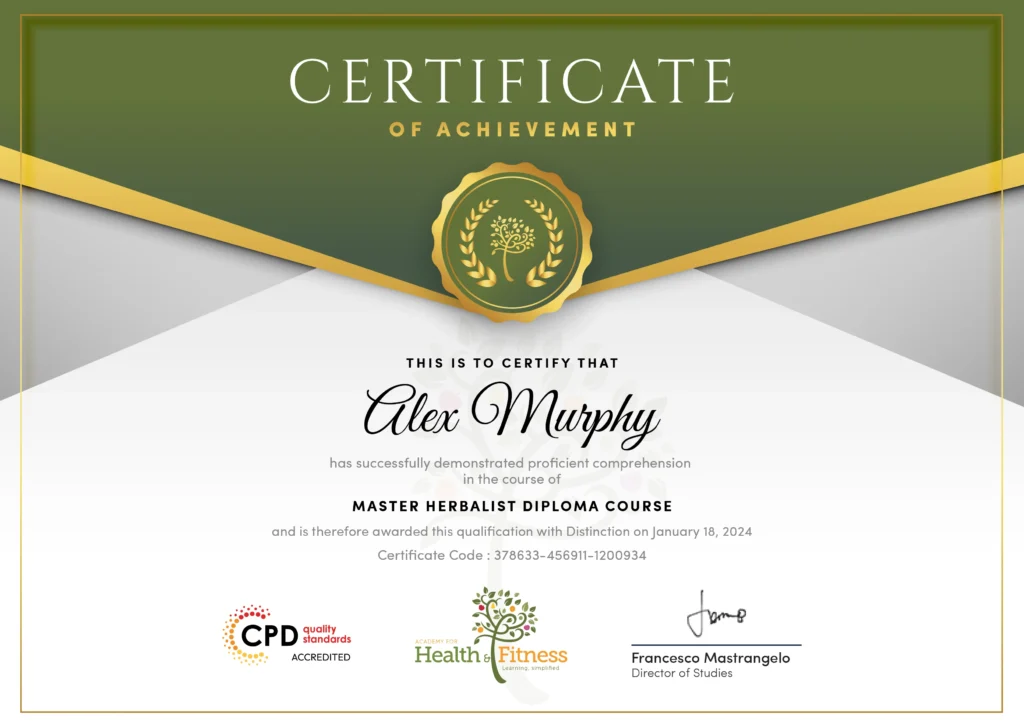
After successfully completing the course, you will qualify for a CPD Certificate as proof of your continued professional development and achievement. This certificate can enhance your professional profile and showcase your commitment to building relevant skills and knowledge. You can receive your digital certificate for only £10, or request a printed hard copy sent by post for just £29 or both for £39.
For assessing your learning, you have to complete an automated MCQ exam. It is required for the students to score at least 60% to pass the exam and fulfil the Quality Licence Scheme-endorsed certificate criteria. Learners can apply for the certificate after they clear the exam.
There are assignment questions provided at the end of the course. You are suggested to complete the questions to enrich your understanding of the course. You can complete this according to your preferred time. The expert tutor will provide feedback on your performance after assessing your assignment.
Knowledge of GDPR and lawful data processing can strengthen professional practice across school administration, education and information governance. The course can complement existing qualifications and workplace experience, but does not itself provide a regulated professional qualification.
Salary ranges are indicative UK figures and can vary according to experience, location, employer, working hours and qualifications.
The UK GDPR provides a framework governing how organisations process personal information. In schools, this can apply to information relating to pupils, parents, staff and other individuals.
Schools must identify an appropriate lawful basis before processing personal information. The correct basis depends on the purpose of processing and the circumstances involved.
Â
A clear legal foundation helps schools make defensible decisions about collecting, using and sharing personal information. It also supports the UK GDPR principles of lawfulness, fairness and transparency.
Consent is one possible lawful basis, but it is not automatically the appropriate choice for school processing. The ICO notes that other bases, such as public task or legal obligation, may be more suitable depending on the circumstances.
Public task applies where processing is necessary to perform a task in the public interest or exercise official authority with a clear basis in law. It can be relevant to schools carrying out certain education-related functions.
Legal obligation applies where processing is necessary to comply with a legal obligation imposed on the organisation. Consent, by contrast, requires valid agreement for a specific processing purpose and must meet UK GDPR requirements.
Â
Legitimate interests is one of the available lawful bases for processing personal information. Organisations must assess the purpose, necessity and balance between their interests and the individual’s rights and freedoms.
Children can require additional protection when their personal information is processed. Schools should consider the child’s circumstances, reasonable expectations and best interests when assessing appropriate processing practices.
Â
A new purpose may require the school to reassess whether its existing lawful basis remains appropriate. The ICO advises organisations to consider the lawful basis for new purposes before processing begins.
Â
No. The course provides foundational knowledge of GDPR and lawful processing rather than a regulated professional qualification. It can, however, complement existing education, administration, compliance or data protection experience.
| Module 1: Basics Of GDPR | |||
| Basics Of GDPR | 00:24:00 | ||
| Module 2: Legal Foundation for Processing | |||
| Legal Foundation for Processing | 00:17:00 | ||
| Module 1: Basics Of GDPR | |||
| Basics Of GDPR | 00:24:00 | ||
| Module 2: Legal Foundation for Processing | |||
| Legal Foundation for Processing | 00:17:00 | ||