Every year, preventable infections threaten patients and staff, yet many professionals feel unsure of proper control measures. Gain essential skills to protect yourself and others. Enrol today.
4.5
(6 Reviews)
59 Students
Exclusive Deal! 94% Off, Today Only!
Sale Ends In
Healthcare and social care professionals face constant risk of spreading infections, yet many only realise gaps in their knowledge when outbreaks occur. With rising concerns over antimicrobial resistance and hospital-acquired infections, understanding infection prevention has never been more critical in the UK.
This course provides a clear, practical foundation in infection prevention and control, covering UK governance, standard precautions, environmental hygiene, and device reprocessing. Learners will explore procedure-associated risks, antimicrobial stewardship, surveillance, and outbreak management, including handling high-consequence pathogens. Social care settings and workforce safety are examined, emphasising evidence-based programme design to reduce transmission.
By completing this training, you will confidently interpret infection risks, implement prevention strategies, and safeguard patients and colleagues. Stay ahead of potential outbreaks and ensure your practice meets UK health standards. Join now to strengthen your expertise and protect your workplace.
There are no formal prerequisites to enrol in this Health and Social Care Level 4 course. It is suitable for both beginners and individuals already working in care who want to develop their skills further.
The course is fully accessible online, allowing you to study from home using any internet-enabled device.
All you need is a willingness to learn, basic literacy skills, and to be over the age of 16.
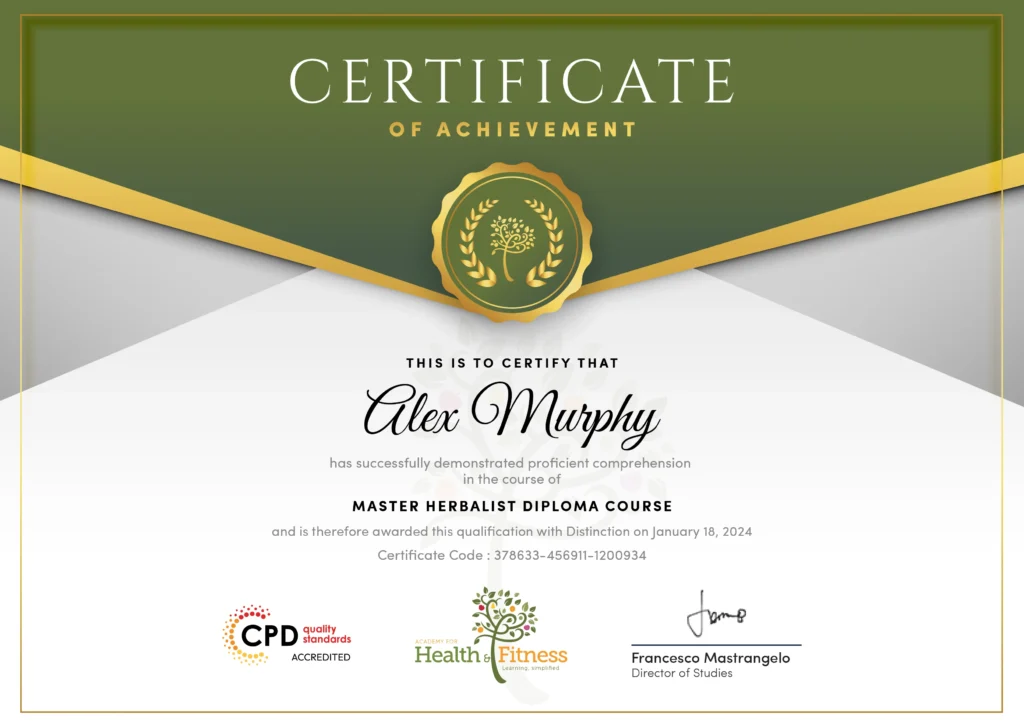
After successfully completing the course, you will qualify for a CPD Certificate as proof of your continued professional development and achievement. This certificate can enhance your professional profile and showcase your commitment to building relevant skills and knowledge. You can receive your digital certificate for only £10, or request a printed hard copy sent by post for just £29 or both for £39.
For assessing your learning, you have to complete an automated MCQ exam. It is required for the students to score at least 60% to pass the exam and fulfil the Quality Licence Scheme-endorsed certificate criteria. Learners can apply for the certificate after they clear the exam.
There are assignment questions provided at the end of the course. You are suggested to complete the questions to enrich your understanding of the course. You can complete this according to your preferred time. The expert tutor will provide feedback on your performance after assessing your assignment.
In the UK, infection prevention and control skills are highly sought-after across healthcare and social care settings. Mastery of these skills can lead to a range of professional roles with competitive salaries.
It equips staff with knowledge and skills to prevent infection transmission. Training covers hygiene, procedures, and risk management in UK healthcare.
Â
Social care settings often involve vulnerable populations, making infection prevention essential to protect staff and residents.
Â
Governance sets legal and procedural frameworks, ensuring care providers follow national safety standards and reporting requirements.
Â
It ensures responsible use of antibiotics, helping reduce resistance and maintain treatment effectiveness across healthcare settings.
Â
Protocols include containment, reporting, and specific PPE to prevent outbreaks and protect staff and patients.
Â
Surgical, invasive, and device-associated procedures require strict adherence to hygiene and sterilisation standards.
Â
Regular cleaning, waste disposal, and equipment reprocessing minimise infection risk in clinical and social care environments.
Â
Protecting staff from exposure ensures continuous care delivery and prevents wider infection spread.
Â
Surveillance programmes track infection trends, detect outbreaks early, and guide intervention strategies.
Â
Report immediately, follow local protocols, and apply recommended precautions to safeguard patients and colleagues.
| Module 1: Foundations of Infection Science and UK Governance | |||
| Module 1: Foundations of Infection Science and UK Governance | 00:11:00 | ||
| Module 2: Standard Precautions and Isolation Theory | |||
| Module 2: Standard Precautions and Isolation Theory | 00:12:00 | ||
| Module 3: Environmental Hygiene and Device Reprocessing | |||
| Module 3: Environmental Hygiene and Device Reprocessing | 00:11:00 | ||
| Module 4: Procedure-Associated Risks and Antimicrobial Stewardship | |||
| Module 4: Procedure-Associated Risks and Antimicrobial Stewardship | 00:10:00 | ||
| Module 5: Surveillance, Outbreak Theory, and High-Consequence Pathogens | |||
| Module 5: Surveillance, Outbreak Theory, and High-Consequence Pathogens | 00:11:00 | ||
| Module 6: Social Care, Workforce Safety, and Programme Design | |||
| Module 6: Social Care, Workforce Safety, and Programme Design | 00:11:00 | ||
| Module 1: Foundations of Infection Science and UK Governance | |||
| Module 1: Foundations of Infection Science and UK Governance | 00:11:00 | ||
| Module 2: Standard Precautions and Isolation Theory | |||
| Module 2: Standard Precautions and Isolation Theory | 00:12:00 | ||
| Module 3: Environmental Hygiene and Device Reprocessing | |||
| Module 3: Environmental Hygiene and Device Reprocessing | 00:11:00 | ||
| Module 4: Procedure-Associated Risks and Antimicrobial Stewardship | |||
| Module 4: Procedure-Associated Risks and Antimicrobial Stewardship | 00:10:00 | ||
| Module 5: Surveillance, Outbreak Theory, and High-Consequence Pathogens | |||
| Module 5: Surveillance, Outbreak Theory, and High-Consequence Pathogens | 00:11:00 | ||
| Module 6: Social Care, Workforce Safety, and Programme Design | |||
| Module 6: Social Care, Workforce Safety, and Programme Design | 00:11:00 | ||