Unlock your creativity with our CPD Accredited “HTML and CSS Coding for Beginners and Kids” course! Master essential web design skills, from building HTML structures to styling with CSS, including fun modules like creating links, images, and animations. This Industry Standard, CPD Certified program is perfect for young learners eager to start coding. Enrol now to build your future in tech!
0
(0 Reviews)
9 Students
Exclusive Deal! 94% Off, Today Only!
Sale Ends In
Course Overview
In today’s digital age, over 90% of UK businesses rely on well-designed websites to connect with customers, creating a surge in demand for web development skills. Learning HTML and CSS is essential for anyone looking to enter this competitive field. This CPD Accredited course offers a timely opportunity to build foundational coding abilities that employers actively seek.
Through practical modules covering everything from setting up your code editor to crafting HTML structures and styling with CSS, learners gain hands-on experience in a clear, step-by-step format. You will master key skills such as creating links, images, forms, and stylish layouts, empowering you to build real websites confidently and creatively.
By completing this Nationally Recognised, Industry Standard course, you enhance your employability and open doors to roles in web design, development, and digital marketing. Whether aiming for promotion or a new career path, these in-demand skills pave the way for growth in a thriving sector hungry for proficient coders.
By completing this course, learners will be able to:
Here is what the course will cover:
The Foundation of Psychology
Explore core psychology principles, foundational theories, and key terminology essential for understanding human behaviour and mental processes in academic and applied contexts.
Different Approaches of Psychology
Examine major psychological approaches, including cognitive, behavioural, psychodynamic, and humanistic, highlighting their impact on theory, research, and therapy techniques.
Developmental Psychology: How Children Become Adults
Understand human development stages from infancy to adulthood, focusing on cognitive, emotional, and social growth through lifespan theories and research insights.
Social Psychology
Analyze how social environments influence behaviour, attitudes, group dynamics, conformity, and interpersonal relationships using evidence-based social psychology theories.
Emotions in Terms of Psychology
Investigate psychological theories of emotions, their biological bases, expression, regulation, and impact on decision-making and mental health.
Dealing with Stress and Anxiety
Learn psychological mechanisms behind stress and anxiety, alongside effective coping strategies, therapeutic interventions, and stress management techniques.
Personality: Psychological Factors That Make You an Individual
Explore personality theories, traits, and assessment methods that explain individual differences in behaviour, motivation, and emotional patterns.
Learning: Understanding Acquired Behaviour
Study learning theories, including classical and operant conditioning, observational learning, and cognitive approaches to behaviour acquisition.
Mood Disorders
Examine symptoms, causes, and treatments of mood disorders such as depression and bipolar disorder, integrating psychological and neuroscientific perspectives.
Eating Disorders
Understand psychological, biological, and social factors contributing to eating disorders, focusing on diagnosis, prevention, and evidence-based treatments.
Personality Disorders
Explore classification, symptoms, and therapeutic approaches for personality disorders, emphasizing diagnostic criteria and clinical interventions.
Research Methods
Gain comprehensive knowledge of quantitative and qualitative research techniques, experimental design, data analysis, and ethical considerations in psychology studies.
Psychological Assessments
Learn about various psychological tests and assessment tools used to evaluate cognitive abilities, personality traits, and mental health conditions.
Ethical Issues in Psychological Assessments
Examine ethical principles, confidentiality, informed consent, and professional responsibilities critical to conducting valid and ethical psychological assessments.
This course is ideal for:
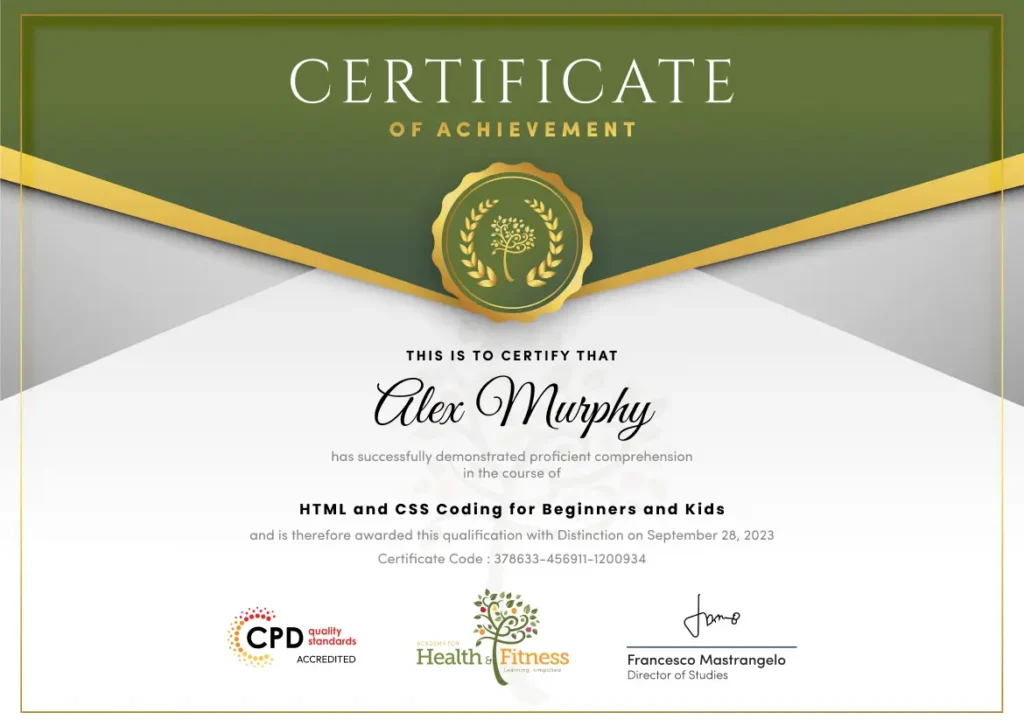
After completing the MCQ assessment, you will qualify for the CPD Certificate from HF Online as proof of your continued professional development. You can order your certificate at a cost of £10 for PDF and £29 for hardcopy certificate or both for £39.
For assessing your learning, you have to complete an automated MCQ exam. It is required for the students to score at least 60% to pass the exam. Learners can apply for the certificate after they clear the exam.
There are assignment questions provided at the end of the course. You are suggested to complete the questions to enrich your understanding of the course. You can complete this according to your preferred time. The expert tutor will provide feedback on your performance after assessing your assignment.
Completing this diploma can lead to the following UK job roles:
| Section 01: Introduction | |||
| 1.1: Introduction | 00:03:00 | ||
| 1.2: Course Curriculum | 00:02:00 | ||
| 1.3: How to Get Pre-Requisites | 00:03:00 | ||
| 1.4: Getting Started on Windows, Linux or macOS | 00:02:00 | ||
| 1.5: Code Editor- Setting Up (SublimeText) | 00:02:00 | ||
| 1.6: How to Ask Great Questions | 00:02:00 | ||
| Section 02: Let’s learn HTML | |||
| 2.1: HTML overview | 00:04:00 | ||
| 2.2: Basic HTML structure | 00:13:00 | ||
| 2.3: H1 to H6 – heading tags | 00:06:00 | ||
| 2.4: Paragraph tags | 00:05:00 | ||
| 2.5: Creating a line break | 00:03:00 | ||
| 2.6: Adding a link | 00:05:00 | ||
| 2.7: Adding an image | 00:08:00 | ||
| 2.8: Creating an image with a link | 00:04:00 | ||
| 2.9: Nav tags | 00:05:00 | ||
| 2.10: Using the div tag | 00:04:00 | ||
| 2.11: Creating unordered and ordered lists | 00:05:00 | ||
| 2.12: Forms | 00:08:00 | ||
| 2.13: Tables | 00:05:00 | ||
| 2.14: Creating comments in HTML | 00:03:00 | ||
| 2.15: Colors | 00:07:00 | ||
| 2.16: Review HTML elements | 00:04:00 | ||
| 2.17: Assessment Test | 00:01:00 | ||
| 2.18: Solution for Assessment Test | 00:01:00 | ||
| Section 03: Let’s learn CSS | |||
| 3.1: CSS overview | 00:03:00 | ||
| 3.2: CSS syntax | 00:02:00 | ||
| 3.3: Background colour | 00:07:00 | ||
| 3.4: Creating an ID | 00:10:00 | ||
| 3.5: Creating classes | 00:04:00 | ||
| 3.6: Creating a border | 00:04:00 | ||
| 3.7: Border radius | 00:10:00 | ||
| 3.8: Padding | 00:06:00 | ||
| 3.9: Margin | 00:02:00 | ||
| 3.10: Font size | 00:04:00 | ||
| 3.11: Font weight | 00:05:00 | ||
| 3.12: Text transform | 00:05:00 | ||
| 3.13: Text colour | 00:03:00 | ||
| 3.14: Aligning the text | 00:04:00 | ||
| 3.15: Font family | 00:06:00 | ||
| 3.16: Font style | 00:03:00 | ||
| 3.17: CSS comments | 00:02:00 | ||
| Section 04: Final Project | |||
| 4.1: Project overview | 00:03:00 | ||
| 4.2: Conclusion on Project | 00:01:00 | ||
| Section 05: BONUS | |||
| 5.1: Linking a CSS style common code to your HTML document | 00:06:00 | ||
| 5.2: Applying the CSS hover selection to animate website button effects | 00:04:00 | ||
| Section 01: Introduction | |||
| 1.1: Introduction | 00:03:00 | ||
| 1.2: Course Curriculum | 00:02:00 | ||
| 1.3: How to Get Pre-Requisites | 00:03:00 | ||
| 1.4: Getting Started on Windows, Linux or macOS | 00:02:00 | ||
| 1.5: Code Editor- Setting Up (SublimeText) | 00:02:00 | ||
| 1.6: How to Ask Great Questions | 00:02:00 | ||
| Section 02: Let’s learn HTML | |||
| 2.1: HTML overview | 00:04:00 | ||
| 2.2: Basic HTML structure | 00:13:00 | ||
| 2.3: H1 to H6 – heading tags | 00:06:00 | ||
| 2.4: Paragraph tags | 00:05:00 | ||
| 2.5: Creating a line break | 00:03:00 | ||
| 2.6: Adding a link | 00:05:00 | ||
| 2.7: Adding an image | 00:08:00 | ||
| 2.8: Creating an image with a link | 00:04:00 | ||
| 2.9: Nav tags | 00:05:00 | ||
| 2.10: Using the div tag | 00:04:00 | ||
| 2.11: Creating unordered and ordered lists | 00:05:00 | ||
| 2.12: Forms | 00:08:00 | ||
| 2.13: Tables | 00:05:00 | ||
| 2.14: Creating comments in HTML | 00:03:00 | ||
| 2.15: Colors | 00:07:00 | ||
| 2.16: Review HTML elements | 00:04:00 | ||
| 2.17: Assessment Test | 00:01:00 | ||
| 2.18: Solution for Assessment Test | 00:01:00 | ||
| Section 03: Let’s learn CSS | |||
| 3.1: CSS overview | 00:03:00 | ||
| 3.2: CSS syntax | 00:02:00 | ||
| 3.3: Background colour | 00:07:00 | ||
| 3.4: Creating an ID | 00:10:00 | ||
| 3.5: Creating classes | 00:04:00 | ||
| 3.6: Creating a border | 00:04:00 | ||
| 3.7: Border radius | 00:10:00 | ||
| 3.8: Padding | 00:06:00 | ||
| 3.9: Margin | 00:02:00 | ||
| 3.10: Font size | 00:04:00 | ||
| 3.11: Font weight | 00:05:00 | ||
| 3.12: Text transform | 00:05:00 | ||
| 3.13: Text colour | 00:03:00 | ||
| 3.14: Aligning the text | 00:04:00 | ||
| 3.15: Font family | 00:06:00 | ||
| 3.16: Font style | 00:03:00 | ||
| 3.17: CSS comments | 00:02:00 | ||
| Section 04: Final Project | |||
| 4.1: Project overview | 00:03:00 | ||
| 4.2: Conclusion on Project | 00:01:00 | ||
| Section 05: BONUS | |||
| 5.1: Linking a CSS style common code to your HTML document | 00:06:00 | ||
| 5.2: Applying the CSS hover selection to animate website button effects | 00:04:00 | ||