Exclusive Deal! 94% Off, Today Only!
Sale Ends In
Sport-related injuries account for thousands of emergency department visits across the UK each year, with sprains, fractures, and head injuries among the most reported incidents. Youth and amateur sports environments are particularly vulnerable when immediate response knowledge is limited. For coaches responsible for player welfare, structured first aid awareness is not optional but essential to safeguarding, compliance, and professional credibility.
This First Aid Training for Sports Coaches course develops foundational first aid understanding tailored to training sessions, matches, and competitive events. You will explore common sports injuries, structured emergency response procedures, and preventative readiness principles aligned with UK safeguarding expectations. The programme also reinforces communication, documentation awareness, and legal responsibilities relevant to sports environments.
By completing this course, coaches enhance injury response confidence and organisational preparedness. Strengthen structured awareness now before uncertainty compromises athlete wellbeing, regulatory duties, or parental trust.
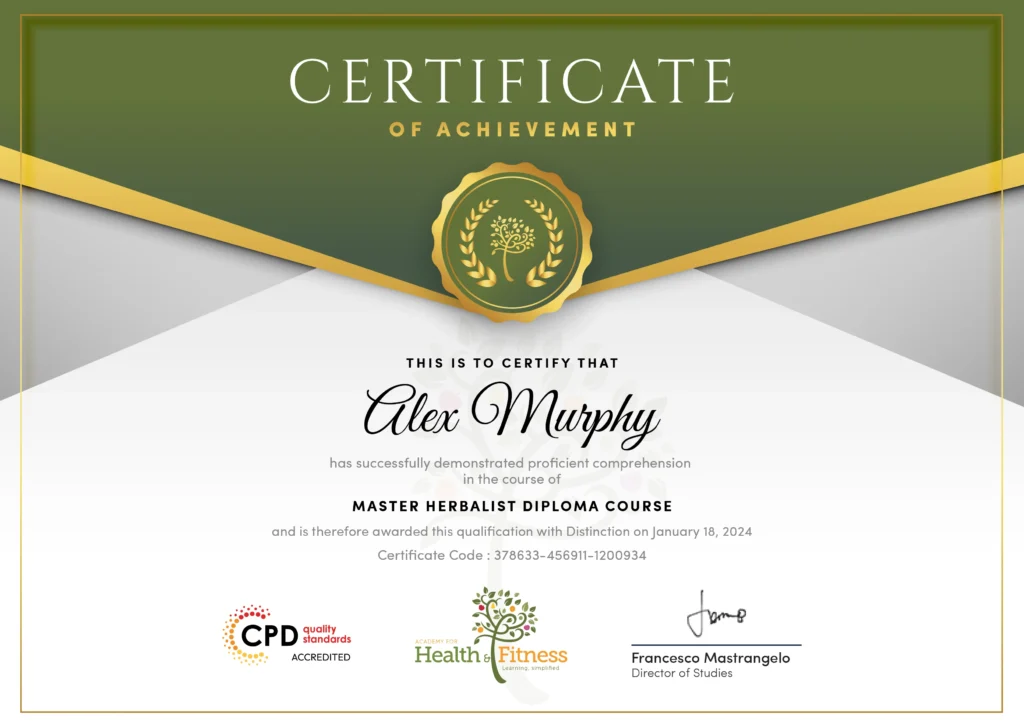
After successfully completing the course, you will qualify for a CPD Certificate as proof of your continued professional development and achievement. This certificate can enhance your professional profile and showcase your commitment to building relevant skills and knowledge. You can receive your digital certificate for only £10, or request a printed hard copy sent by post for just £29 or both for £39.
For assessing your learning, you have to complete an automated MCQ exam. It is required for the students to score at least 60% to pass the exam. Learners can apply for the certificate after they clear the exam.
There are assignment questions provided at the end of the course. You are suggested to complete the questions to enrich your understanding of the course. You can complete this according to your preferred time. The expert tutor will provide feedback on your performance after assessing your assignment.
There are no prerequisites, and you may use any internet-enabled device to study at your own speed, it is adaptable and available to students of all skill levels.
First aid awareness is highly valued across UK sports organisations where safeguarding and participant safety are central to operational standards. Employers and governing bodies prioritise coaches who demonstrate structured injury response knowledge and regulatory awareness.
It provides structured awareness of injury response principles relevant to training sessions, matches and competitions. The course focuses on safeguarding athlete wellbeing and supporting informed emergency action within sports environments.
Young athletes may not always recognise or communicate injury severity effectively. Coaches must be prepared to respond promptly and responsibly to protect participant welfare.
Sprains, fractures, head injuries and soft tissue trauma are commonly addressed within structured first aid awareness. Recognising early signs supports timely escalation where required.
Yes, it reinforces recognition of potential head injury symptoms and the importance of appropriate action. Structured awareness supports safeguarding and return-to-play considerations.
Many governing bodies and safeguarding frameworks expect coaches to demonstrate emergency awareness and readiness. Compliance strengthens credibility and organisational standards.
Prepared coaches reduce delays in responding to injuries and demonstrate duty of care. Awareness strengthens parental trust and participant confidence.
It supports awareness but may not replace accredited first aid qualifications where required by governing bodies. Employers determine compliance requirements.
Yes, it reinforces structured communication during incidents to ensure calm coordination with staff, parents and emergency services.
Regular refresher training supports maintained confidence and updated awareness. Many organisations recommend periodic review based on risk assessment.
Yes, structured preparedness promotes responsible leadership and participant protection. Coaches play a central role in maintaining safe sporting environments.
| Introduction | |||
| Introduction | 00:00:51 | ||
| Module 1: Fundamentals of First Aid | |||
| 1.1 Introduction to First Aid for Coaches | 00:00:54 | ||
| 1.2 Recognising Emergencies | 00:00:57 | ||
| 1.3 The Primary Survey (DRABC) | 00:00:56 | ||
| 1.4 Personal Safety and Infection Control | 00:00:54 | ||
| Module 2: Handling Common Sports Injuries | |||
| 2.1 Managing Bleeding and Wounds | 00:00:53 | ||
| 2.2 Treating Fractures and Sprains | 00:00:58 | ||
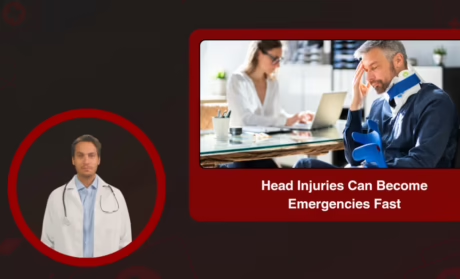
| 2.3 Dealing with Head Injuries | 00:00:57 | ||
| 2.4 Managing Environmental Conditions | 00:00:53 | ||
| Module 3: Emergency Response Procedures | |||
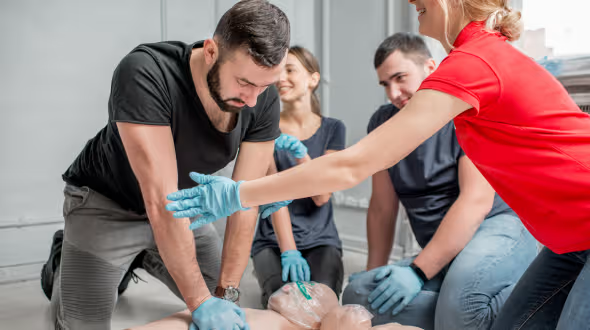
| 3.1 CPR and AED Basics | 00:00:59 | ||
| 3.2 Choking Emergencies | 00:00:48 | ||
| 3.3 Handling Medical Conditions | 00:00:52 | ||
| 3.4 Coordinating with Medical Professionals | 00:00:52 | ||
| Module 4: Prevention, Readiness, and Legal Compliance | |||
| 4.1 Developing Emergency Action Plans | 00:00:51 | ||
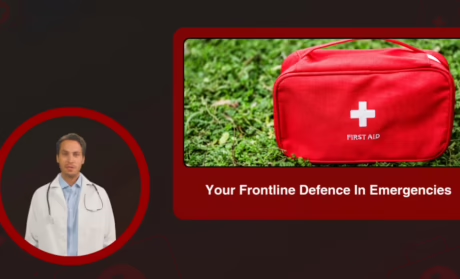
| 4.2 Preparing a First Aid Kit | 00:00:52 | ||
| 4.3 Recording and Reporting Incidents | 00:00:50 | ||
| 4.4 Ongoing Learning and Skill Development | 00:00:51 | ||
| Conclusion | |||
| Conclusion | 00:00:55 | ||
| Introduction | |||
| Introduction | 00:00:51 | ||
| Module 1: Fundamentals of First Aid | |||
| 1.1 Introduction to First Aid for Coaches | 00:00:54 | ||
| 1.2 Recognising Emergencies | 00:00:57 | ||
| 1.3 The Primary Survey (DRABC) | 00:00:56 | ||
| 1.4 Personal Safety and Infection Control | 00:00:54 | ||
| Module 2: Handling Common Sports Injuries | |||
| 2.1 Managing Bleeding and Wounds | 00:00:53 | ||
| 2.2 Treating Fractures and Sprains | 00:00:58 | ||
| 2.3 Dealing with Head Injuries | 00:00:57 | ||
| 2.4 Managing Environmental Conditions | 00:00:53 | ||
| Module 3: Emergency Response Procedures | |||
| 3.1 CPR and AED Basics | 00:00:59 | ||
| 3.2 Choking Emergencies | 00:00:48 | ||
| 3.3 Handling Medical Conditions | 00:00:52 | ||
| 3.4 Coordinating with Medical Professionals | 00:00:52 | ||
| Module 4: Prevention, Readiness, and Legal Compliance | |||
| 4.1 Developing Emergency Action Plans | 00:00:51 | ||
| 4.2 Preparing a First Aid Kit | 00:00:52 | ||
| 4.3 Recording and Reporting Incidents | 00:00:50 | ||
| 4.4 Ongoing Learning and Skill Development | 00:00:51 | ||
| Conclusion | |||
| Conclusion | 00:00:55 | ||