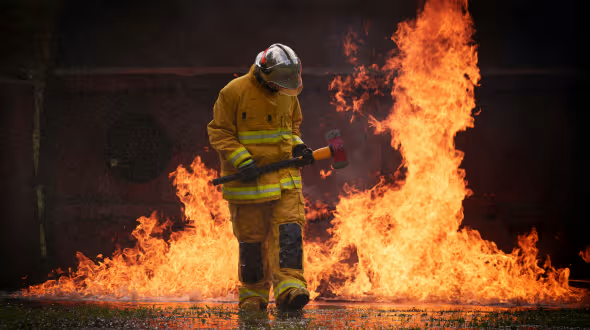
Fire emergencies demand swift leadership and clear coordination, yet many workplaces lack trained wardens. Enrol now to strengthen fire marshal responsibilities before confusion during incidents places lives, compliance, and business continuity at risk.
4.5
(6 Reviews)
163 Students
Exclusive Deal! 94% Off, Today Only!
Sale Ends In
Fire incidents continue to pose a significant threat to UK workplaces, with fire and rescue services attending over 150,000 incidents annually, and workplace fires accounting for a notable proportion of these emergencies. Studies suggest that up to 70% of evacuation challenges are linked to inadequate leadership and poor understanding of fire procedures. UK fire safety legislation, including the Regulatory Reform (Fire Safety) Order 2005, requires organisations to appoint competent Fire Wardens (Marshals) to coordinate evacuations and manage fire risks. Without trained personnel, even well-designed safety systems may fail during critical moments, leading to preventable injuries and operational disruption.
This Fire Warden Training (Marshal) course provides essential knowledge of fire behaviour, safety signage, and the proactive and reactive duties of a Fire Warden. Learners will explore fire development, interpretation of safety signs, and effective evacuation leadership, alongside communication responsibilities and post-incident actions. Completing this course strengthens regulatory compliance and ensures confident emergency coordination within the workplace.
After successfully completing the course, you will qualify for a CPD Certificate as proof of your continued professional development and achievement. This certificate can enhance your professional profile and showcase your commitment to building relevant skills and knowledge. You can receive your digital certificate for only £10, or request a printed hard copy sent by post for just £29 or both for £39.
For assessing your learning, you have to complete an automated MCQ exam. It is required for the students to score at least 60% to pass the exam. Learners can apply for the certificate after they clear the exam.
There are assignment questions provided at the end of the course. You are suggested to complete the questions to enrich your understanding of the course. You can complete this according to your preferred time. The expert tutor will provide feedback on your performance after assessing your assignment.
There are no prerequisites, and you may use any internet-enabled device to study at your own speed, it is adaptable and available to students of all skill levels.
Fire Warden training enhances workplace safety competence and supports career development across various UK industries. Employers value individuals who can lead evacuations, ensure compliance, and promote proactive fire safety culture.
Fire Warden (Marshal)
Coordinates emergency evacuations and ensures occupants follow established fire procedures. Acts as a liaison with emergency services and supports workplace fire safety compliance. Average salary £24,000–£35,000.
Health and Safety Assistant
Supports implementation of fire safety policies and workplace risk assessments. Assists in organising fire drills and maintaining compliance documentation.
Average salary £24,000–£35,000.
Facilities Coordinator
Oversees building safety systems, including alarms, extinguishers, and evacuation routes. Ensures fire safety procedures are maintained and communicated effectively. Average salary £25,000–£36,000.
Office Manager
Manages workplace safety arrangements and coordinates emergency preparedness activities. Promotes compliance with fire safety regulations and staff awareness initiatives. Average salary £28,000–£40,000.
Site Supervisor
Ensures fire safety measures are implemented within construction or industrial environments. Leads emergency response and evacuation procedures during incidents. Average salary £32,000–£45,000.
Compliance Officer
Monitors adherence to fire safety legislation and organisational policies. Supports audits, inspections, and continuous improvement initiatives. Average salary £35,000–£55,000.
Building Safety Officer
Oversees fire safety systems and evacuation planning within residential or commercial properties. Ensures ongoing compliance with UK fire safety standards. Average salary £32,000–£50,000.
Retail Supervisor
Ensures customer and staff safety by coordinating fire evacuation procedures. Maintains awareness of fire safety signage and emergency protocols. Average salary £25,000–£34,000.
Hospitality Supervisor
Manages fire safety compliance within hotels, restaurants, and leisure venues. Leads staff during emergency evacuations and safety drills. Average salary £24,000–£35,000.
Emergency Planning Coordinator
Supports development and implementation of organisational emergency response strategies. Ensures effective communication and preparedness for fire-related incidents. Average salary £32,000–£50,000.
Fire Warden Training prepares individuals to take responsibility for fire safety within the workplace. It covers evacuation procedures, risk awareness, and coordination with emergency services.
Fire Wardens play a crucial role in ensuring safe evacuation and reducing panic during emergencies. Their leadership helps protect lives and supports compliance with UK fire safety legislation.
Proactive duties include conducting fire risk checks, ensuring clear escape routes, and supporting fire drills. These actions help prevent incidents and maintain preparedness.
Reactive duties involve raising the alarm, guiding occupants to safety, and liaising with emergency services. Fire Wardens also assist in accounting for personnel after evacuation.
Yes, the course explains the meaning and importance of fire safety signs. Understanding signage ensures quick and effective responses during emergencies.
Employees designated by their organisation to support fire safety responsibilities should undertake this training. It is suitable for staff across all industries and workplace environments.
While the training itself is not explicitly mandated, UK fire safety legislation requires employers to appoint competent persons to manage fire safety. Training ensures these individuals are adequately prepared.
Refresher training is typically recommended every one to three years or following significant workplace changes. This ensures ongoing competence and compliance.
Yes, if it is safe to do so and they have received appropriate training. Their primary responsibility, however, is to ensure safe evacuation rather than firefighting.
Yes, fire safety competence enhances employability in health and safety, facilities management, and supervisory roles. Employers value individuals who contribute to safer workplaces.
| Introduction | |||
| Introduction | 00:01:00 | ||
| 1. THE NATURE OF FIRE | |||
| 1.1 What Is Fire? | 00:00:51 | ||
| 1.2 Types of Fire | 00:00:57 | ||
| 1.3 Fire Hazards | 00:00:51 | ||
| 1.4 Fire Behavior | 00:00:50 | ||
| Module 01: Assessment | |||
| Quiz 1-Fire Warden Training (Marshal) | 00:00:00 | ||
| 2. SIGNAGE | |||
| 2.1 Fire Safety Signs Explained | 00:00:48 | ||
| 2.2 Locating Fire Equipment | 00:00:35 | ||
| 2.3 Emergency Routes | 00:00:53 | ||
| 2.4 Legal Requirements | 00:00:35 | ||
| Module 02: Assessment | |||
| Quiz 2-Fire Warden Training (Marshal) | 00:00:00 | ||
| 3. PROACTIVE DUTIES | |||
| 3.1 Fire Risk Assessments | 00:00:47 | ||
| 3.2 Fire Prevention Practices | 00:00:46 | ||
| 3.3 Regular Checks and Maintenance | 00:00:47 | ||
| 3.4 Training and Drills | 00:00:52 | ||
| Module 03: Assessment | |||
| Quiz 3-Fire Warden Training (Marshal) | 00:00:00 | ||
| 4. REACTIVE DUTIES | |||
| 4.1 Responding to a Fire Alarm | 00:00:51 | ||
| 4.2 Using Fire Extinguishers | 00:00:58 | ||
| 4.3 Evacuation Assistance | 00:01:00 | ||
| 4.4 Post-Evacuation Procedures | 00:01:00 | ||
| Module 04: Assessment | |||
| Quiz 4-Fire Warden Training (Marshal) | 00:00:00 | ||
| Conclusion | |||
| Conclusion | 00:01:00 | ||
| Module 05: Assessment | |||
| Final Quiz-Fire Warden Training (Marshal) | 00:00:00 | ||
| Introduction | |||
| Introduction | 00:01:00 | ||
| 1. THE NATURE OF FIRE | |||
| 1.1 What Is Fire? | 00:00:51 | ||
| 1.2 Types of Fire | 00:00:57 | ||
| 1.3 Fire Hazards | 00:00:51 | ||
| 1.4 Fire Behavior | 00:00:50 | ||
| Module 01: Assessment | |||
| Quiz 1-Fire Warden Training (Marshal) | 00:00:00 | ||
| 2. SIGNAGE | |||
| 2.1 Fire Safety Signs Explained | 00:00:48 | ||
| 2.2 Locating Fire Equipment | 00:00:35 | ||
| 2.3 Emergency Routes | 00:00:53 | ||
| 2.4 Legal Requirements | 00:00:35 | ||
| Module 02: Assessment | |||
| Quiz 2-Fire Warden Training (Marshal) | 00:00:00 | ||
| 3. PROACTIVE DUTIES | |||
| 3.1 Fire Risk Assessments | 00:00:47 | ||
| 3.2 Fire Prevention Practices | 00:00:46 | ||
| 3.3 Regular Checks and Maintenance | 00:00:47 | ||
| 3.4 Training and Drills | 00:00:52 | ||
| Module 03: Assessment | |||
| Quiz 3-Fire Warden Training (Marshal) | 00:00:00 | ||
| 4. REACTIVE DUTIES | |||
| 4.1 Responding to a Fire Alarm | 00:00:51 | ||
| 4.2 Using Fire Extinguishers | 00:00:58 | ||
| 4.3 Evacuation Assistance | 00:01:00 | ||
| 4.4 Post-Evacuation Procedures | 00:01:00 | ||
| Module 04: Assessment | |||
| Quiz 4-Fire Warden Training (Marshal) | 00:00:00 | ||
| Conclusion | |||
| Conclusion | 00:01:00 | ||
| Module 05: Assessment | |||
| Final Quiz-Fire Warden Training (Marshal) | 00:00:00 | ||