Course Overview Running a successful kitchen requires far more than culinary talent alone. Across the UK hospitality industry, many food …
4.5
(6 Reviews)
65 Students
Exclusive Deal! 94% Off, Today Only!
Sale Ends In
Running a successful kitchen requires far more than culinary talent alone. Across the UK hospitality industry, many food businesses face financial pressure due to poor budgeting, inaccurate menu pricing, and limited understanding of operational costs. Even experienced chefs can struggle managing profitability without practical financial management knowledge.
This Financial Management Course for Professional Chefs introduces essential financial principles tailored specifically for culinary environments. You will explore budgeting techniques, menu pricing strategies, cost control methods, financial forecasting, and performance analysis used within professional kitchens and hospitality operations. The course also explains financial tools and resources supporting smarter decision-making and long-term operational sustainability.
By completing this course, you will develop stronger confidence managing financial responsibilities within culinary settings and improving business awareness professionally. Enrol now to strengthen your financial management skills before rising operational costs and competitive industry pressures affect long-term kitchen success.
There are no formal prerequisites to enrol in this Health and Social Care Level 4 course. It is suitable for both beginners and individuals already working in care who want to develop their skills further.
The course is fully accessible online, allowing you to study from home using any internet-enabled device.
All you need is a willingness to learn, basic literacy skills, and to be over the age of 16.
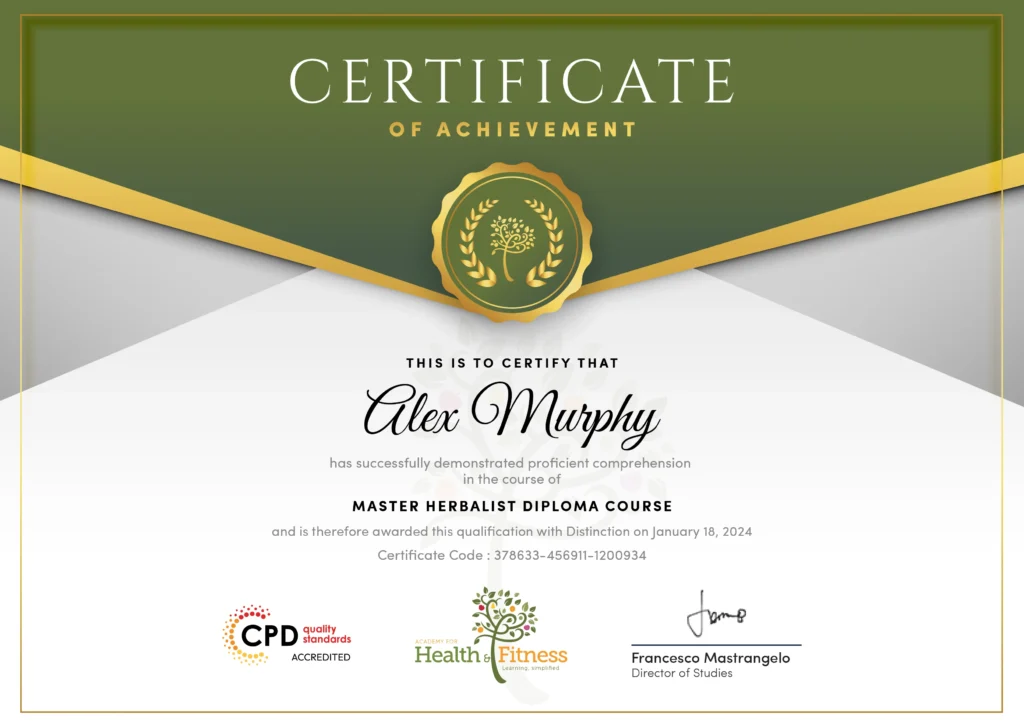
After successfully completing the course, you will qualify for a CPD Certificate as proof of your continued professional development and achievement. This certificate can enhance your professional profile and showcase your commitment to building relevant skills and knowledge. You can receive your digital certificate for only £10, or request a printed hard copy sent by post for just £29 or both for £39.
For assessing your learning, you have to complete an automated MCQ exam. It is required for the students to score at least 60% to pass the exam and fulfil the Quality Licence Scheme-endorsed certificate criteria. Learners can apply for the certificate after they clear the exam.
There are assignment questions provided at the end of the course. You are suggested to complete the questions to enrich your understanding of the course. You can complete this according to your preferred time. The expert tutor will provide feedback on your performance after assessing your assignment.
Financial management knowledge is increasingly valuable across the UK hospitality and food service sectors. Employers seek culinary professionals capable of balancing operational quality with budgeting, profitability, and responsible financial decision-making effectively.
This course introduces financial management principles specifically designed for culinary and hospitality environments professionally. Learners explore budgeting, menu pricing, forecasting, and operational financial planning techniques.
Financial management helps chefs control operational costs and improve business profitability consistently. It also supports smarter decision-making within competitive hospitality environments professionally.
Accurate menu costing helps businesses price dishes appropriately while protecting profitability and service quality. It also supports better financial planning and waste reduction strategies effectively.
Budgeting helps kitchens manage expenses, allocate resources efficiently, and monitor financial performance consistently. Strong budgeting practices also reduce unnecessary operational overspending professionally.
The course develops financial management knowledge valued across restaurants, catering, and hospitality businesses professionally. It also strengthens leadership, planning, and operational decision-making abilities effectively.
This module explains forecasting methods helping hospitality businesses plan future financial activities responsibly. Learners also explore performance analysis techniques supporting long-term operational sustainability.
Financial tools help professionals monitor spending, evaluate profitability, and organise operational financial information efficiently. They also support more informed and consistent business management decisions.
Cost control helps businesses reduce waste, manage resources carefully, and improve overall profitability sustainably. Effective financial oversight also supports long-term operational stability within hospitality environments.
Financial analysis helps businesses understand performance trends and identify operational improvement opportunities professionally. It also supports strategic planning and responsible financial decision-making consistently.
The course explains financial concepts using structured and accessible learning materials professionally. Learners gain stronger understanding of budgeting, pricing, forecasting, and hospitality financial management practices.
| Module 1: Introduction to Financial Management | |||
| Module 1: Introduction to Financial Management | 00:12:00 | ||
| Module 2: Budgeting for Culinary Operations | |||
| Module 2: Budgeting for Culinary Operations | 00:13:00 | ||
| Module 3: Pricing and Costing Menu Items | |||
| Module 3: Pricing and Costing Menu Items | 00:12:00 | ||
| Module 4: Financial Forecasting and Analysis | |||
| Module 4: Financial Forecasting and Analysis | 00:13:00 | ||
| Module 5: Financial Tools and Resources | |||
| Module 5: Financial Tools and Resources | 00:15:00 | ||
| Module 1: Introduction to Financial Management | |||
| Module 1: Introduction to Financial Management | 00:12:00 | ||
| Module 2: Budgeting for Culinary Operations | |||
| Module 2: Budgeting for Culinary Operations | 00:13:00 | ||
| Module 3: Pricing and Costing Menu Items | |||
| Module 3: Pricing and Costing Menu Items | 00:12:00 | ||
| Module 4: Financial Forecasting and Analysis | |||
| Module 4: Financial Forecasting and Analysis | 00:13:00 | ||
| Module 5: Financial Tools and Resources | |||
| Module 5: Financial Tools and Resources | 00:15:00 | ||