FGM can leave lasting physical and emotional consequences, while professionals may face serious safeguarding decisions without sufficient awareness. Understand the risks, laws and responsibilities surrounding FGM, and be better prepared to protect others. Enrol today.
4.5
(6 Reviews)
66 Students
Exclusive Deal! 94% Off, Today Only!
Sale Ends In
Female Genital Mutilation (FGM) is a serious safeguarding issue that can affect girls and women across the UK. Understanding the warning signs, legal framework and appropriate professional response matters because uncertainty can delay action when someone may be vulnerable. In England and Wales, FGM is illegal, with specific duties applying to certain professionals when known cases involving girls under 18 are identified.
This course provides a focused introduction to FGM, examining its history, prevalence and associated health issues alongside the laws and policies designed to prevent it. You will explore the roles and responsibilities of professionals, approaches to multi-agency prevention, and safeguarding considerations for children and women affected or at risk.
By the end, you will have greater awareness of how FGM relates to safeguarding practice and professional responsibilities. Develop this knowledge now so you can respond with greater confidence, sensitivity and understanding when concerns arise.
There are no formal prerequisites to enrol in this Female Genital Mutilation Awareness course. It is suitable for both beginners and individuals already working in care who want to develop their skills further.
The course is fully accessible online, allowing you to study from home using any internet-enabled device.
All you need is a willingness to learn, basic literacy skills, and to be over the age of 16.
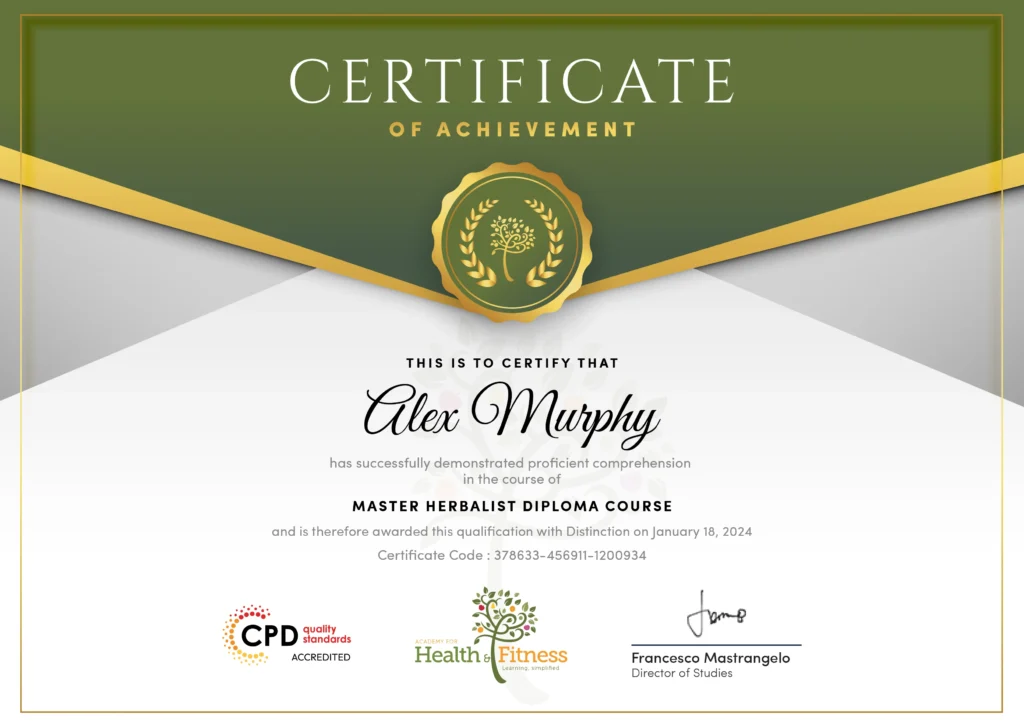
After successfully completing the course, you will qualify for a CPD Certificate as proof of your continued professional development and achievement. This certificate can enhance your professional profile and showcase your commitment to building relevant skills and knowledge. You can receive your digital certificate for only £10, or request a printed hard copy sent by post for just £29 or both for £39.
For assessing your learning, you have to complete an automated MCQ exam. It is required for the students to score at least 60% to pass the exam and fulfil the Quality Licence Scheme-endorsed certificate criteria. Learners can apply for the certificate after they clear the exam.
There are assignment questions provided at the end of the course. You are suggested to complete the questions to enrich your understanding of the course. You can complete this according to your preferred time. The expert tutor will provide feedback on your performance after assessing your assignment.
Awareness of FGM can strengthen safeguarding knowledge for professionals working with children, women, families and vulnerable people across the UK. This course complements existing qualifications and professional responsibilities; it does not independently qualify learners for regulated roles.
Salary ranges are indicative UK figures and may vary according to experience, location, employer, qualifications and working arrangements.
Female Genital Mutilation (FGM) refers to procedures involving partial or total removal or injury of the external female genitalia for non-medical reasons. It has no medical benefit and can cause serious and lasting health consequences.
Â
FGM can involve significant risks to the safety, health and wellbeing of girls and women. Professionals may therefore need to recognise concerns and take appropriate safeguarding action when someone is affected or considered at risk.
Â
In England and Wales, FGM is illegal under the Female Genital Mutilation Act 2003, which was strengthened by the Serious Crime Act 2015. Legal protections include FGM Protection Orders and specific provisions concerning risk and reporting.
In England and Wales, specified regulated health and social care professionals and teachers must report known cases involving girls under 18 to the police when the statutory conditions are met. The duty applies to known cases, rather than every suspected or at-risk situation.
The mandatory reporting duty applies to specified regulated health and social care professionals and teachers in England and Wales. Other professionals may still have wider safeguarding responsibilities and should follow their organisation’s procedures.
Professionals can contribute through awareness, sensitive communication, safeguarding action, appropriate referrals and multi-agency cooperation. Their responsibilities depend on their profession, setting and the circumstances of the concern.
Â
FGM can have physical, sexual and psychological consequences, with some effects potentially continuing throughout a woman’s life. Affected individuals may require appropriate healthcare and specialist support.
Suspected or at-risk cases should be handled through appropriate local safeguarding procedures. The mandatory reporting duty is distinct from safeguarding responses to suspected or potential risk cases.
Â
The specific FGM mandatory reporting duty described in the legislation applies in England and Wales. Professionals working in Scotland or Northern Ireland must follow the safeguarding and legal requirements applicable in their respective nations.
Â
No. This course provides awareness and knowledge of FGM, legislation, health consequences and safeguarding responsibilities. Specialist clinical, social care or legal roles require the relevant professional qualifications, registration and training.
| Module 1: Introduction to Female Genital Mutilation (FGM) | |||
| Introduction to Female Genital Mutilation (FGM) | 00:17:00 | ||
| Module 2: Laws and Policies | |||
| Laws and Policies | 00:17:00 | ||
| Module 3: History & Prevalence | |||
| History and Prevalence | 00:17:00 | ||
| Module 4: Health Issues Associated with FGM | |||
| Health Issues Associated with FGM | 00:16:00 | ||
| Module 5: Roles and Responsibilities of Professionals | |||
| Roles and Responsibilities of Professionals | 00:21:00 | ||
| Module 6: Working Together to Prevent FGM | |||
| Working Together to Prevent FGM | 00:14:00 | ||
| Module 7: Safeguarding Children & Women | |||
| Safeguarding Children & Women | 00:19:00 | ||
| Module 1: Introduction to Female Genital Mutilation (FGM) | |||
| Introduction to Female Genital Mutilation (FGM) | 00:17:00 | ||
| Module 2: Laws and Policies | |||
| Laws and Policies | 00:17:00 | ||
| Module 3: History & Prevalence | |||
| History and Prevalence | 00:17:00 | ||
| Module 4: Health Issues Associated with FGM | |||
| Health Issues Associated with FGM | 00:16:00 | ||
| Module 5: Roles and Responsibilities of Professionals | |||
| Roles and Responsibilities of Professionals | 00:21:00 | ||
| Module 6: Working Together to Prevent FGM | |||
| Working Together to Prevent FGM | 00:14:00 | ||
| Module 7: Safeguarding Children & Women | |||
| Safeguarding Children & Women | 00:19:00 | ||