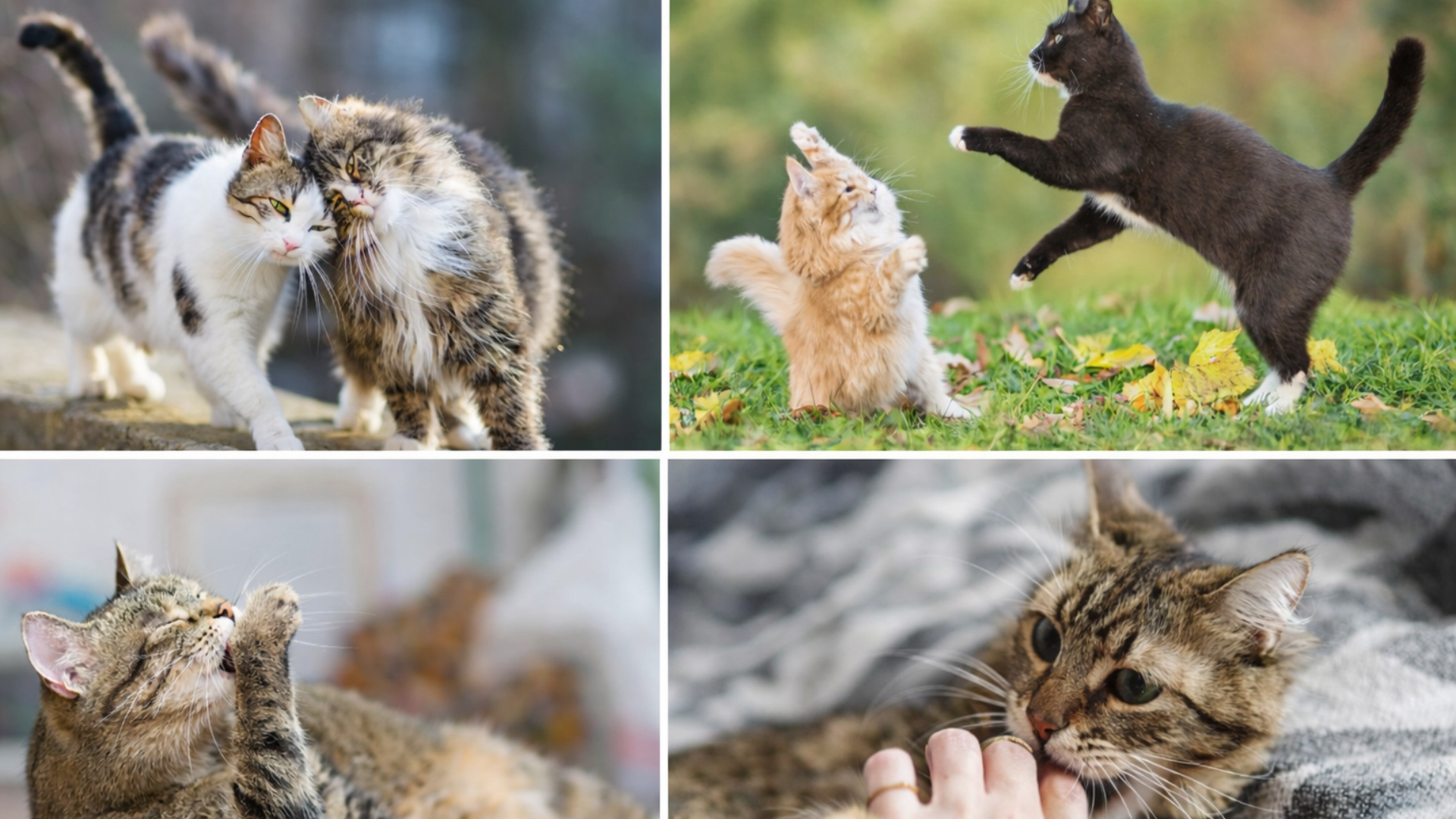
Feline Behaviour & Psychology is a CPD-accredited online course supporting aspiring cat behaviourists, animal care assistants, rescue volunteers, pet sitters, and feline welfare learners, aimed at those who want to become confident in cat psychology, body language, stress awareness, communication, and behaviour management. You’ll explore everyday feline habits, common behaviour issues, and essential knowledge that strengthens CV value and credibility.
Exclusive Deal! 94% Off, Today Only!
Sale Ends In
Ever found yourself asking, “Why does my cat bite me, why is my cat aggressive, or why does my cat pee outside the litter box?” and wished you could finally understand what your cat is trying to tell you? The Feline Behaviour & Psychology course is designed for learners who want core answers, structured knowledge, and career-relevant confidence. It is especially relevant for aspiring cat behaviourists, rescue volunteers, cattery staff, pet sitters, animal care assistants, and cat owners who want to understand cat psychology and behavior in a clearer, calmer, and more informed way.Â
The demand for stronger feline knowledge is real and current. PDSA’s 2025 figures estimate 10.5 million pet cats in the UK, while Cats Protection’s 2025 key findings report 10.2 million owned cats and note that neutering numbers are falling. PDSA’s 2024 reporting also highlighted cat behaviour and stress as a major welfare topic, and the RSPCA said it tackled 61,000 reports of animals suffering cruelty and neglect in 2024. The UK government’s 2025 animal welfare strategy also says there are over 35 million pets in the UK, showing the scale of companion-animal care and welfare responsibility today.
What will you learn in this course? You will explore feline domestication, communication, stress, sleeping, toileting, hunting, feral cat behaviour, body language, and welfare needs. You will also examine cat behavior problems and solutions, how to stop cat scratching furniture, how to stop cats fighting in the same house, why does my cat hide all the time, why do cats zoom around at night, feline anxiety, cat spraying, indoor cat enrichment, kitten behaviour, and multi-cat household management.Â
Enrol now to gain CPD-accredited training, flexible online study, and a stronger foundation in feline behaviour, cat welfare, and responsible care.
On completion, you will understand feline behaviour, communication, stress, emotional states, conflict, and owner-cat interaction. You will discuss cat psychology with confidence, interpret body language accurately, and respond thoughtfully to behaviour problems across home, rescue, care, and support settings today.
This Feline Behaviour & Psychology course online UK is designed to help you build essential, career-focused knowledge for feline care, welfare, husbandry, and support roles, giving you the confidence and subject understanding employers and cat-focused organisations increasingly value.
This learning experience is ideal for anyone wanting deeper insight into cats, better support for feline wellbeing, or flexible CPD study to strengthen a CV. It suits home learners and those exploring rescue, boarding, retail, welfare, or cat-focused career paths.Â
There are no specific prerequisites to enrol in this Feline Behaviour & Psychology – CPD Accredited Course. Anyone and everyone can take this course.
The Feline Behaviour & Psychology – CPD Accredited Course is fully accessible from any internet-enabled smart device. So, you can study from the comfort of your home!
All you need is a passion for learning, literacy, and to be over the age of 16.
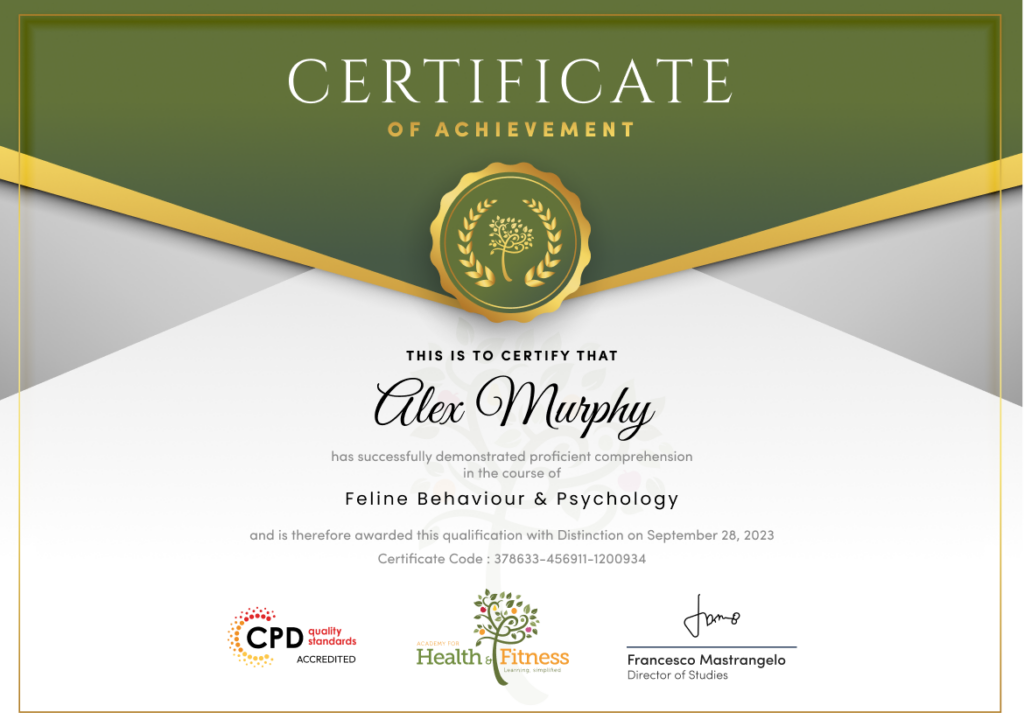
After successfully completing the Feline Behaviour & Psychology course, you will qualify for a CPD Certificate as proof of your continued professional development and achievement. This certificate can enhance your professional profile and showcase your commitment to building relevant skills and knowledge. You can receive your digital certificate for only ÂŁ10, or request a printed hard copy sent by post for just ÂŁ29 or both for ÂŁ39.
After successfully completing the Feline Behaviour & Psychology course, learners will be able to order a QLS Endorsed Certificate as proof of their new achievement. The Level QLS Endorsed certificate can be ordered and get delivered to your home by post for ÂŁ139 only. There is an additional ÂŁ10 postage charge for international students.
For assessing your learning, you have to complete an automated MCQ exam. It is required for the students to score at least 60% to pass the exam and fulfil the Quality Licence Scheme-endorsed certificate criteria. Learners can apply for the certificate after they clear the exam.
There are assignment questions provided at the end of the course. You are suggested to complete the questions to enrich your understanding of the course. You can complete this according to your preferred time. The expert tutor will provide feedback on your performance after assessing your assignment.
Feline Behaviour & Psychology supports entry-level animal care, welfare, boarding, rescue, retail, and pet support roles. It helps learners discuss cat behaviour and wellbeing more confidently, though some advanced or specialist positions may require extra training, supervised experience, or certification.
Cat psychology and behavior refers to how cats communicate, respond to stress, express needs, react to their environment, and build routines through posture, movement, vocalisation, and interaction. Understanding normal behaviour, needs, and motivations is the foundation for solving behaviour problems more effectively.
Biting can be linked to fear, overstimulation, stress, pain, frustration, or boundary-setting. If biting is new or out of character, a vet check is important first, because behaviour changes can be linked to medical problems as well as emotional triggers.
Aggression is often rooted in fear, stress, pain, territorial tension, or conflict with people or other cats. Understanding body language and finding the underlying cause matters far more than punishment, which can increase stress and make behaviour worse.
House soiling can be associated with stress, resource issues, territorial tension, or medical problems. Toileting changes should be discussed with a vet promptly, because behaviour that looks “naughty” may actually reflect discomfort, illness, or anxiety.
Cats need to scratch, so the goal is redirection, not stopping the behaviour completely. Provide sturdy scratching posts, place them near problem areas, keep the environment stress-free, and avoid punishment. Stress, boredom, and unfamiliar cats nearby can all increase scratching.
Cat body language meaning comes from reading ears, eyes, whiskers, posture, and movement together. Flat ears and wide pupils can suggest stress, while relaxed ears, softer eyes, and calmer whiskers can signal contentment or comfort.
Start by looking at routine, environment, resources, medical history, and emotional triggers. Cats Protection highlights scratching, spraying, house soiling, fighting, aggression, stress, and hiding as common behaviour problems, and stresses that sudden behavioural change should be checked by a vet first.
Signs of stress in cats can include hiding, scratching furniture more than usual, wide pupils, flattened ears, subtle mood changes, and unusual behaviour that owners may misread as mischief. Stress can also worsen wellbeing and contribute to physical problems.
Some cats are naturally chatty, but increased vocalisation can also signal a medical issue, unmet needs, or a learned routine for attention or interaction. If the meowing is new, intense, or unusual, a vet check is the safest first step.
Kneading is a behaviour cats learn as kittens, often on soft surfaces like blankets. It can continue into adulthood, and while the exact reason is not fully certain in every case, it is widely linked with early comfort patterns and familiar tactile behaviour.
Conflict in multi-cat homes usually needs calmer introductions, better spacing of resources, and close attention to stress triggers. Cats Protection notes that living with other cats is one of the most common causes of feline stress, and understanding the cause helps reduce fighting.
Hiding can be a stress signal, staring can become a learned way to get food or attention, and night-time bursts of energy are often normal because cats are naturally more active around dawn and dusk. Sudden changes still deserve a veterinary check.
| Module 01: Domestication of Cats | |||
| Domestication of Cats | 00:10:00 | ||
| Module 02: Communication & Stress According to Origin | |||
| Communication & Stress According to Origin | 00:08:00 | ||
| Module 03: Sleeping & Toileting According to Origin | |||
| Sleeping & Toileting According to Origin | 00:07:00 | ||
| Module 04: Hunting & Drinking Water According to Origin | |||
| Hunting & Drinking Water According to Origin | 00:06:00 | ||
| Module 05: Reproduction & Disease According to Origin | |||
| Reproduction & Disease According to Origin | 00:06:00 | ||
| Module 06: Another Type of Cats – Feral Cats | |||
| Another Type of Cats – Feral Cats | 00:09:00 | ||
| Module 07: Understanding Feline Body Language | |||
| Understanding Feline Body Language | 00:17:00 | ||
| Module 08: Understanding Common Behaviour | |||
| Understanding Common Behaviour | 00:21:00 | ||
| Module 09: Understanding Cat Communication | |||
| Understanding Cat Communication | 00:20:00 | ||
| Module 10: Types of Feline Need | |||
| Types of Feline Need | 00:11:00 | ||
| Module 11: Do Cats Feel Love and Other Human Emotions? | |||
| Do Cats Feel Love and Other Human Emotions | 00:13:00 | ||
| Module 12: How Smart Are Cats? | |||
| How Smart Are Cats | 00:09:00 | ||
| Module 13: Why Do Cats Hiss? | |||
| Why Do Cats Hiss | 00:03:00 | ||
| Module 14: Why Do Cats Purr? | |||
| Why Do Cats Purr | 00:07:00 | ||
| Module 15: Why Do Cats Rub Against Things? | |||
| Why Do Cats Rub Against Things | 00:07:00 | ||
| Module 16: Why Do Cats Scratch Things? | |||
| Why Do Cats Scratch Things | 00:06:00 | ||
| Module 17: Why Do Cats Play with Their Prey? | |||
| Why Do Cats Play with Their Prey | 00:05:00 | ||
| Module 18: Why Do Some Cats Become Anxious or Phobic? | |||
| Why Do Some Cats Become Anxious or Phobic | 00:10:00 | ||
| Module 19: Why Do Cats Roll on Their Backs to Greet People? | |||
| Why Do Cats Roll on Their Backs to Greet People | 00:03:00 | ||
| Module 20: Why Do Cats “Sulk”? | |||
| Why Do Cats “Sulk” | 00:04:00 | ||
| Module 21: Why Do Cats Knead or Paddle with Their Paws? | |||
| Why Do Cats Knead or Paddle with Their Paws | 00:03:00 | ||
| Module 22: Why Does a Male Cat Bite a Female’s Neck While Mating? | |||
| Why Does a Male Cat Bite a Female’s Neck While Mating | 00:03:00 | ||
| Module 23: Why Do Mother Cats Move Kittens? | |||
| Why Do Mother Cats Move Kittens | 00:06:00 | ||
| Module 24: Why Do Some Cats Howl, Especially at Night? | |||
| Why Do Some Cats Howl, Especially at Night | 00:10:00 | ||
| Module 25: Cats and the Law | |||
| Cats and the Law | 00:08:00 | ||
| Module 26: Bringing Your New Cat Home | |||
| Bringing Your New Cat Home | 00:19:00 | ||
| Module 27: Feeding and Controlling Obesity | |||
| Feeding and Controlling Obesity | 00:27:00 | ||
| Module 28: Managing Your Cat’s Behaviour | |||
| Managing Your Cat’s Behaviour | 00:40:00 | ||
| Module 29: Keeping Your Cat Safe | |||
| Keeping Your Cat Safe | 00:34:00 | ||
| Module 30: Neutering – Family Planning for Felines | |||
| Neutering – Family Planning for Felines | 00:15:00 | ||
| Module 31: Pregnant Cats, Birth and Care of Young Kittens | |||
| Pregnant Cats, Birth and Care of Young Kittens | 00:40:00 | ||
| Module 32: Cats Living Together | |||
| Cats Living Together | 00:18:00 | ||
| Module 33: How to Prevent Cat Conflicts in Multi-cat Households | |||
| How to Prevent Cat Conflicts in Multi-cat Households | 00:10:00 | ||
| Module 34: When to Let Go | |||
| When to Let Go | 00:11:00 | ||
| Assignment | |||
| Assignment – Feline Behaviour & Psychology | 3 weeks, 3 days | ||
| Order Your Certificate | |||
| Claim Your Certificates | 00:00:00 | ||
| Module 01: Domestication of Cats | |||
| Domestication of Cats | 00:10:00 | ||
| Module 02: Communication & Stress According to Origin | |||
| Communication & Stress According to Origin | 00:08:00 | ||
| Module 03: Sleeping & Toileting According to Origin | |||
| Sleeping & Toileting According to Origin | 00:07:00 | ||
| Module 04: Hunting & Drinking Water According to Origin | |||
| Hunting & Drinking Water According to Origin | 00:06:00 | ||
| Module 05: Reproduction & Disease According to Origin | |||
| Reproduction & Disease According to Origin | 00:06:00 | ||
| Module 06: Another Type of Cats – Feral Cats | |||
| Another Type of Cats – Feral Cats | 00:09:00 | ||
| Module 07: Understanding Feline Body Language | |||
| Understanding Feline Body Language | 00:17:00 | ||
| Module 08: Understanding Common Behaviour | |||
| Understanding Common Behaviour | 00:21:00 | ||
| Module 09: Understanding Cat Communication | |||
| Understanding Cat Communication | 00:20:00 | ||
| Module 10: Types of Feline Need | |||
| Types of Feline Need | 00:11:00 | ||
| Module 11: Do Cats Feel Love and Other Human Emotions? | |||
| Do Cats Feel Love and Other Human Emotions | 00:13:00 | ||
| Module 12: How Smart Are Cats? | |||
| How Smart Are Cats | 00:09:00 | ||
| Module 13: Why Do Cats Hiss? | |||
| Why Do Cats Hiss | 00:03:00 | ||
| Module 14: Why Do Cats Purr? | |||
| Why Do Cats Purr | 00:07:00 | ||
| Module 15: Why Do Cats Rub Against Things? | |||
| Why Do Cats Rub Against Things | 00:07:00 | ||
| Module 16: Why Do Cats Scratch Things? | |||
| Why Do Cats Scratch Things | 00:06:00 | ||
| Module 17: Why Do Cats Play with Their Prey? | |||
| Why Do Cats Play with Their Prey | 00:05:00 | ||
| Module 18: Why Do Some Cats Become Anxious or Phobic? | |||
| Why Do Some Cats Become Anxious or Phobic | 00:10:00 | ||
| Module 19: Why Do Cats Roll on Their Backs to Greet People? | |||
| Why Do Cats Roll on Their Backs to Greet People | 00:03:00 | ||
| Module 20: Why Do Cats “Sulk”? | |||
| Why Do Cats “Sulk” | 00:04:00 | ||
| Module 21: Why Do Cats Knead or Paddle with Their Paws? | |||
| Why Do Cats Knead or Paddle with Their Paws | 00:03:00 | ||
| Module 22: Why Does a Male Cat Bite a Female’s Neck While Mating? | |||
| Why Does a Male Cat Bite a Female’s Neck While Mating | 00:03:00 | ||
| Module 23: Why Do Mother Cats Move Kittens? | |||
| Why Do Mother Cats Move Kittens | 00:06:00 | ||
| Module 24: Why Do Some Cats Howl, Especially at Night? | |||
| Why Do Some Cats Howl, Especially at Night | 00:10:00 | ||
| Module 25: Cats and the Law | |||
| Cats and the Law | 00:08:00 | ||
| Module 26: Bringing Your New Cat Home | |||
| Bringing Your New Cat Home | 00:19:00 | ||
| Module 27: Feeding and Controlling Obesity | |||
| Feeding and Controlling Obesity | 00:27:00 | ||
| Module 28: Managing Your Cat’s Behaviour | |||
| Managing Your Cat’s Behaviour | 00:40:00 | ||
| Module 29: Keeping Your Cat Safe | |||
| Keeping Your Cat Safe | 00:34:00 | ||
| Module 30: Neutering – Family Planning for Felines | |||
| Neutering – Family Planning for Felines | 00:15:00 | ||
| Module 31: Pregnant Cats, Birth and Care of Young Kittens | |||
| Pregnant Cats, Birth and Care of Young Kittens | 00:40:00 | ||
| Module 32: Cats Living Together | |||
| Cats Living Together | 00:18:00 | ||
| Module 33: How to Prevent Cat Conflicts in Multi-cat Households | |||
| How to Prevent Cat Conflicts in Multi-cat Households | 00:10:00 | ||
| Module 34: When to Let Go | |||
| When to Let Go | 00:11:00 | ||
| Assignment | |||
| Assignment – Feline Behaviour & Psychology | 3 weeks, 3 days | ||
| Order Your Certificate | |||
| Claim Your Certificates | 00:00:00 | ||