
Family Law
Family disputes impact thousands each year, yet many feel unsure of their legal rights. Learn the essentials of marriage, divorce, custody, and UK family law. Enrol today to gain the clarity and confidence many others lack.
4.6
(2 Reviews) 213 Students

Family Law
Exclusive Deal! 94% Off, Today Only!
Sale Ends In

 TAKE All courses for
£99
TAKE All courses for
£99 


This course includes:
-
 Access1 Year Access
 -
 Skill Level
 -
 Duration2 weeks, 3 days
 -
 Students213 Students
 -
 CPD Point
10
CPD Point
10
- Original price was: £415.£25Current price is: £25. ex VAT
- 1 year
- Level 5
- Number of Units15
- Number of Quizzes0
- 2 weeks, 3 days Gift this course
 14-Day Money-Back Guarantee
Course Overview
Major life changes—marriage, separation, custody decisions—often leave people feeling unsure about their rights, and many only realise this when it’s too late. With over 100,000 divorce cases filed yearly in the UK, misunderstandings in family law continue to affect thousands of families. This course helps you avoid that uncertainty by giving you a clear foundation in the principles that shape modern family relationships.
You will study essential topics such as child custody, child support, property division, and the legal processes surrounding adoption. The course also addresses sensitive issues like domestic violence and explores gender equality and feminist perspectives within family law, helping you understand how legal reforms continue to shape family justice.
By the end of our Family Law course, you will be equipped to interpret legal issues confidently and understand how family matters are managed within the UK legal system. Join now and ensure you never feel unprepared when navigating important family-related decisions.
Learning Outcomes
- Comprehend the role of child support and its legal enforcement.
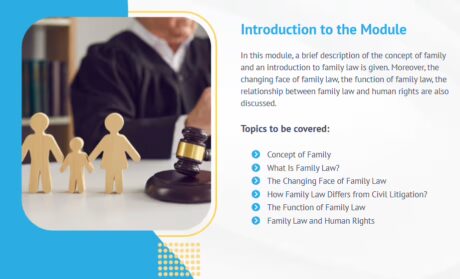
- Understand the basic principles of family law and its significance.
- Recognise the different legal concepts in marriage and family law.
- Learn about divorce, its procedures, and its legal implications for families.
- Identify legal procedures for property division during divorce or separation.
- Learn the adoption process, including legal requirements and child placement.
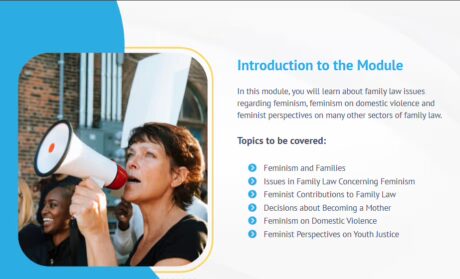
- Explore gender equality and feminist perspectives within the family law system.
- Understand the laws regarding domestic violence and how family law addresses it.
- Gain knowledge of child custody laws and parental responsibility in family matters.
Why People Love and Enrol in this Training?
- CPD Accredited Course
- Unlimited access for 12 months – learn at your own pace ️
- Earn instant certificate upon course completion
- Get a free student ID card to showcase
- Flexible study – no deadlines
- Transparent pricing – no hidden fees
- Dedicated tutor support on weekdays
- Fast assessments & instant results
Who is this Course For?
- Anyone interested in family law
- Students pursuing legal studies
- Social workers or care professionals
- HR professionals handling family matters
- People considering a career in family law
- Individuals seeking deeper family law understanding
Certificate of Achievement

Endorsed Certificate of Achievement by the Quality Licence Scheme
An endorsed certificate will be issued for the learners as proof of their achievement after the completion of this course.
After successful course completion, learners will be able to order an endorsed certificate as proof of their new achievement. Only for £119 you can order and get endorsed certificates delivered to your home. International students have to pay an extra £10 as a postage charge.
CPD Certification
After completing the MCQ assessment, you will qualify for the CPD Certificate from HF Online as proof of your continued professional development. You can order your certificate at a cost of £10 for PDF and £29 for hard copy certificate or both for £39.
Assessment
For assessing your learning, you have to complete an automated MCQ exam. It is required for the students to score at least 60% to pass the exam. Learners can apply for the certificate after they clear the exam.
There are assignment questions provided at the end of the course. You are suggested to complete the questions to enrich your understanding of the course. You can complete this according to your preferred time. The expert tutor will provide feedback on your performance after assessing your assignment.
Prerequisites
There are no prerequisites and you may use any internet-enabled device to study at your own speed, it is adaptable and available to students of all skill levels.
Job Opportunities
Completing this Family Law course strengthens your understanding of critical family law issues, making you an asset to law firms, social services, and support organisations. These skills are valuable for many roles within the legal and care sectors.
- Family Law Paralegal
Family Law Paralegals assist lawyers with legal research, documentation, and case preparation in family law cases. Average salary £21,000 to £30,000. - Social Worker
Social Workers support individuals and families in need, using knowledge of family law to provide care and assistance. Average salary £25,000 to £36,000. - Legal Assistant
Legal Assistants support legal professionals by drafting documents, researching cases, and managing family law files. Average salary £22,000 to £28,000. - Family Court Advisor
Family Court Advisors support children and families through the court process, advising on family law matters. Average salary £27,000 to £35,000. - Domestic Violence Support Worker
Support Workers assist victims of domestic violence by providing guidance, resources, and legal support. Average salary £22,000 to £30,000. - Family Lawyer
Family Lawyers represent clients in divorce, child custody, and other family-related legal matters. Average salary £40,000 to £70,000. - Mediator
Mediators help resolve family disputes, including divorce and custody cases, outside of court. Average salary £32,000 to £50,000. - Parental Rights Advisor
Advisors help parents understand their legal rights regarding child custody, child support, and visitation. Average salary £28,000 to £38,000.
Course Curriculum
| Module 01: Introduction to Family Law | |||
| Introduction Family Law | 00:22:00 | ||
| Module 02: Framing Family Law | |||
| Framing Family Law | 00:23:00 | ||
| Module 03: Marriage in Family Law | |||
| Marriage in Family Law | 00:19:00 | ||
| Module 04: Civil Partnership and Cohabitation | |||
| Civil Partnership and Cohabitation | 00:18:00 | ||
| Module 05: Nullity in Marriage | |||
| Nullity in Marriage | 00:28:00 | ||
| Module 06: Divorce and Family Law | |||
| Divorce and Family Law | 00:20:00 | ||
| Module 07: Child Custody | |||
| Child Custody | 00:16:00 | ||
| Module 08: Property and Finance on Divorce | |||
| Property and Finance on Divorce | 00:22:00 | ||
| Module 09: Child Support and Family Law | |||
| Child Support and Family Law | 00:26:00 | ||
| Module 10: Adoption Process | |||
| Adoption Process | 00:28:00 | ||
| Module 11: Domestic Violence | |||
| Domestic Violence | 00:27:00 | ||
| Module 12: Gender Equality in Family Law | |||
| Gender Equality in Family Law | 00:30:00 | ||
| Module 13: Feminist Perspectives on Family Law | |||
| Feminist Perspectives on Family Law | 00:27:00 | ||
| Assignment | |||
| Assignment – Family Law | 2 weeks, 3 days | ||
| Order Your Certificate | |||
| Claim Your Certificates | 00:00:00 | ||