Bias and discrimination continue to limit opportunity across workplaces, yet many staff lack awareness. Enrol now to strengthen equality and diversity insight before unintentional bias impacts organisational culture.
4.6
(2 Reviews)
7 Students
Exclusive Deal! 94% Off, Today Only!
Sale Ends In
Recent UK workforce data highlights that nearly 30% of employees have experienced or witnessed workplace discrimination, demonstrating the critical need for equality and diversity awareness. Organisations without structured training risk reduced productivity, low staff morale, and potential legal exposure under the Equality Act 2010. Employees and managers must understand bias, stereotyping, and systemic discrimination to maintain fair and inclusive workplaces.
This Equality & Diversity – Discrimination course explores key legislation, policy integration, and human rights principles within UK organisations. Learners examine unconscious bias, affirmative action, institutional discrimination, and the links between values, beliefs, and behaviours. Structured equality analysis and practical approaches to promoting social inclusion are emphasised, ensuring staff understand both legal obligations and ethical responsibilities.
By completing this course, participants will develop the knowledge and practical strategies needed to foster inclusive workplace cultures, strengthen compliance, and minimise risks before discriminatory practices or misunderstandings undermine organisational effectiveness.
There are no formal prerequisites to enrol in this Health and Social Care Level 4 course. It is suitable for both beginners and individuals already working in care who want to develop their skills further.
The course is fully accessible online, allowing you to study from home using any internet-enabled device.
All you need is a willingness to learn, basic literacy skills, and to be over the age of 16.
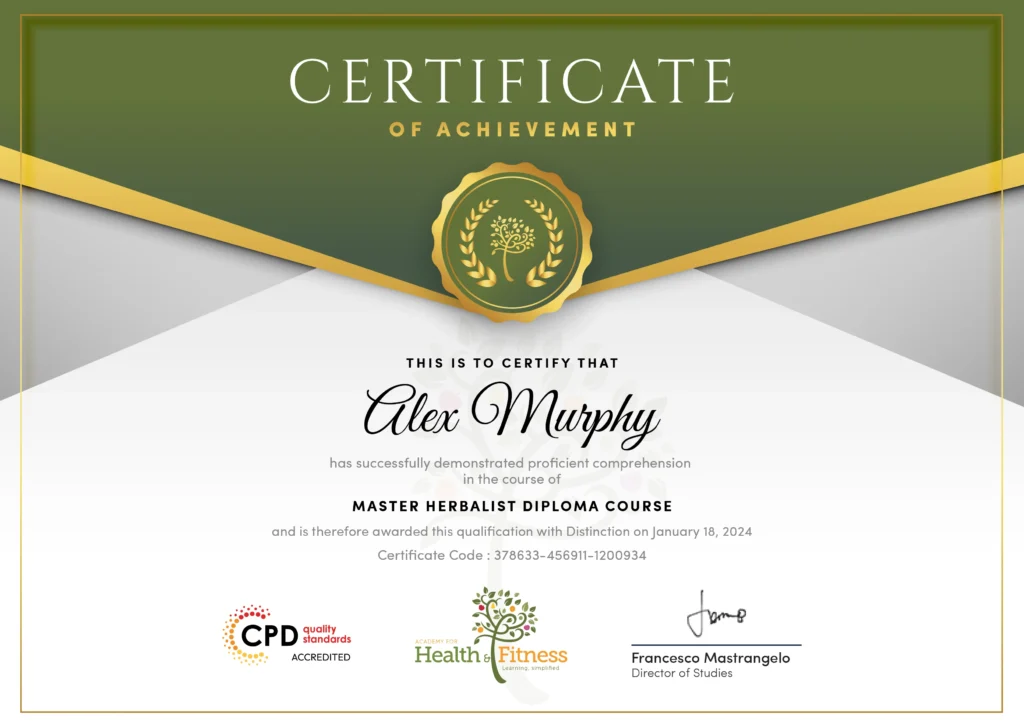
After successfully completing the course, you will qualify for a CPD Certificate as proof of your continued professional development and achievement. This certificate can enhance your professional profile and showcase your commitment to building relevant skills and knowledge. You can receive your digital certificate for only £10, or request a printed hard copy sent by post for just £29 or both for £39.
For assessing your learning, you have to complete an automated MCQ exam. It is required for the students to score at least 60% to pass the exam and fulfil the Quality Licence Scheme-endorsed certificate criteria. Learners can apply for the certificate after they clear the exam.
There are assignment questions provided at the end of the course. You are suggested to complete the questions to enrich your understanding of the course. You can complete this according to your preferred time. The expert tutor will provide feedback on your performance after assessing your assignment.
Knowledge of equality and diversity is increasingly essential across UK workplaces. Organisations value professionals who can apply legislation and best practices, reduce bias, and strengthen inclusive organisational cultures.
Equality and diversity refers to fair treatment, inclusivity, and respect across organisations. It ensures individuals have equal opportunity regardless of identity or background.
Discrimination awareness helps prevent unfair treatment, reduces legal risk, and promotes inclusive organisational culture. It supports fair decision-making and ethical practice.
The Equality Act 2010 provides the legal framework protecting employees from discrimination, harassment, and victimisation in workplaces.
Bias can influence recruitment, promotion, and daily interactions, often leading to unfair treatment without awareness. Structured interventions mitigate these effects.
Institutional discrimination occurs when organisational policies, practices, or cultures systematically disadvantage certain groups, affecting fairness and inclusion across employees.
Affirmative action provides structured opportunities to improve representation, reduce barriers, and create fairer workplace participation for underrepresented groups.
Personal beliefs influence behaviour and decision-making. Awareness ensures actions align with organisational equality principles.
Through audits, reporting systems, surveys, and performance metrics, organisations assess policy effectiveness and identify areas for improvement.
Inclusive practices enhance employee engagement, morale, productivity, and reduce conflicts, supporting cohesive and fair organisational environments.
Yes, it equips staff to apply legislation practically, mitigate discrimination, and maintain regulatory compliance across operational activities.
| Module 01: Introduction to Equality, Diversity and Discrimination | |||
| Introduction to Equality, Diversity and Discrimination | 00:41:00 | ||
| Module 02: Equality and Diversity Legislation | |||
| Equality and Diversity Legislation | 00:47:00 | ||
| Module 03: Integrating Equality and Diversity into Policy | |||
| Integrating Equality and Diversity into Policy | 00:41:00 | ||
| Module 04: Human Rights | |||
| Human Rights | 00:41:00 | ||
| Module 05: Promoting Diversity and Social Inclusion | |||
| Promoting Diversity and Social Inclusion | 00:36:00 | ||
| Module 06: Equality Analysis | |||
| Equality Analysis | 00:34:00 | ||
| Module 07: Links between Values, Attitudes and Beliefs | |||
| Links between Values, Attitudes and Beliefs | 00:40:00 | ||
| Module 08: Basics of Discrimination | |||
| Basics of Discrimination | 00:46:00 | ||
| Module 09: Stereotypes, Prejudice, Discrimination and Bias | |||
| Stereotypes, Prejudice, Discrimination and Bias | 00:35:00 | ||
| Module 10: Institutional Discrimination | |||
| Institutional Discrimination | 00:27:00 | ||
| Module 11: Unconscious Bias | |||
| Unconscious Bias | 00:29:00 | ||
| Module 12: Affirmative Action | |||
| Affirmative Action | 00:28:00 | ||
| Module 13: Monitoring Equality and Diversity | |||
| Monitoring Equality and Diversity | 00:35:00 | ||
| Assignment | |||
| Assignment – Equality & Diversity – Discrimination | 00:00:00 | ||
| Module 01: Introduction to Equality, Diversity and Discrimination | |||
| Introduction to Equality, Diversity and Discrimination | 00:41:00 | ||
| Module 02: Equality and Diversity Legislation | |||
| Equality and Diversity Legislation | 00:47:00 | ||
| Module 03: Integrating Equality and Diversity into Policy | |||
| Integrating Equality and Diversity into Policy | 00:41:00 | ||
| Module 04: Human Rights | |||
| Human Rights | 00:41:00 | ||
| Module 05: Promoting Diversity and Social Inclusion | |||
| Promoting Diversity and Social Inclusion | 00:36:00 | ||
| Module 06: Equality Analysis | |||
| Equality Analysis | 00:34:00 | ||
| Module 07: Links between Values, Attitudes and Beliefs | |||
| Links between Values, Attitudes and Beliefs | 00:40:00 | ||
| Module 08: Basics of Discrimination | |||
| Basics of Discrimination | 00:46:00 | ||
| Module 09: Stereotypes, Prejudice, Discrimination and Bias | |||
| Stereotypes, Prejudice, Discrimination and Bias | 00:35:00 | ||
| Module 10: Institutional Discrimination | |||
| Institutional Discrimination | 00:27:00 | ||
| Module 11: Unconscious Bias | |||
| Unconscious Bias | 00:29:00 | ||
| Module 12: Affirmative Action | |||
| Affirmative Action | 00:28:00 | ||
| Module 13: Monitoring Equality and Diversity | |||
| Monitoring Equality and Diversity | 00:35:00 | ||
| Assignment | |||
| Assignment – Equality & Diversity – Discrimination | 00:00:00 | ||