When dementia reaches its later stages, families and professionals may face difficult decisions without enough understanding. Build confidence in compassionate end-of-life support and avoid uncertainty during critical moments. Enrol today.
4.5
(6 Reviews)
146 Students
Exclusive Deal! 94% Off, Today Only!
Sale Ends In
For many families across the UK, supporting someone with dementia at the end of life can bring emotional challenges, complex decisions, and uncertainty about the right care approach. Without appropriate knowledge, important conversations and choices may become more difficult during vulnerable times.
This course provides a clear understanding of end-of-life care within dementia, exploring communication strategies, advance care planning, symptom management, and ethical considerations. Learners will examine the importance of person-centred support, legal responsibilities, cultural awareness, and the role of families and multidisciplinary teams in delivering compassionate care.
By completing this End-of-Life Care in Dementia course, you will develop a stronger understanding of how to support individuals and those around them through later-stage dementia experiences. Gain essential knowledge to approach sensitive care situations with greater confidence and awareness.
There are no formal prerequisites to enrol in this Health and Social Care Level 4 course. It is suitable for both beginners and individuals already working in care who want to develop their skills further.
The course is fully accessible online, allowing you to study from home using any internet-enabled device.
All you need is a willingness to learn, basic literacy skills, and to be over the age of 16.
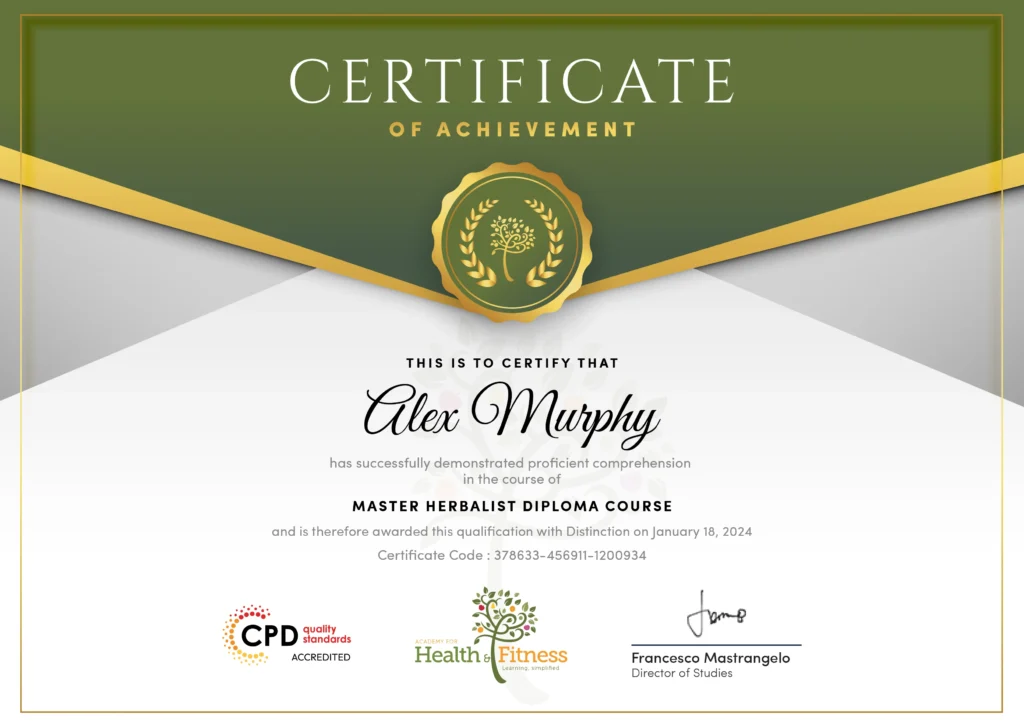
After successfully completing the course, you will qualify for a CPD Certificate as proof of your continued professional development and achievement. This certificate can enhance your professional profile and showcase your commitment to building relevant skills and knowledge. You can receive your digital certificate for only £10, or request a printed hard copy sent by post for just £29 or both for £39.
For assessing your learning, you have to complete an automated MCQ exam. It is required for the students to score at least 60% to pass the exam and fulfil the Quality Licence Scheme-endorsed certificate criteria. Learners can apply for the certificate after they clear the exam.
There are assignment questions provided at the end of the course. You are suggested to complete the questions to enrich your understanding of the course. You can complete this according to your preferred time. The expert tutor will provide feedback on your performance after assessing your assignment.
Understanding end-of-life dementia care can support professionals working across UK health and social care settings. This knowledge can strengthen compassionate practice, improve communication skills, and support career development in dementia-focused roles.
End-of-life care in dementia focuses on supporting comfort, dignity, and quality of life during advanced stages of the condition. It includes physical, emotional, social, and spiritual care approaches.
Â
Dementia progression can affect communication, independence, and decision-making abilities. Care planning helps ensure support reflects the person’s needs and preferences.
Â
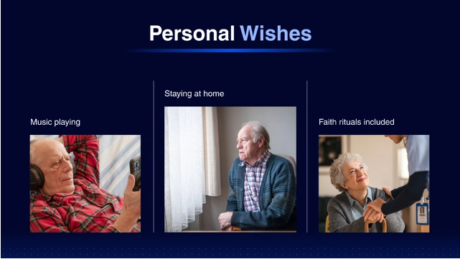
Communication helps professionals and families understand needs, emotions, and personal wishes. Effective approaches support respectful and person-centred care.
Â
Advance care planning allows individuals and families to discuss future care preferences before communication becomes more difficult. It helps guide decisions during later stages.
Â
Care teams may support symptoms such as pain, discomfort, nutrition challenges, and reduced mobility. The focus remains on comfort and dignity.
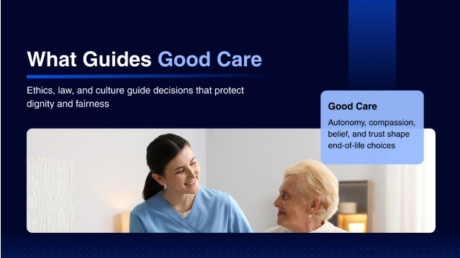
UK legislation provides guidance on capacity, consent, safeguarding, and ethical responsibilities. Understanding legal duties supports safer care practices.
Â
Families often provide emotional support and important knowledge about the person’s preferences and history. Care teams work alongside them to provide coordinated support.
Cultural competence helps professionals respect individual beliefs, values, and traditions. It supports inclusive and personalised end-of-life experiences.
Â
Â
The course develops knowledge of communication, ethical practice, symptom support, and person-centred approaches. These skills are valuable across health and social care settings.
Reflection helps professionals review experiences, identify improvements, and enhance future care delivery. It supports continuous learning and better outcomes for individuals.
| Module 1: Understanding Dementia and the End-of-Life Context | |||
| Understanding Dementia and the End-of-Life Context | 00:08:00 | ||
| Module 2: Communication and Advance Care Planning | |||
| Communication and Advance Care Planning | 00:08:00 | ||
| Module 3: Physical and Emotional Symptom Management | |||
| Physical and Emotional Symptom Management | 00:10:00 | ||
| Module 4: Ethics, Law, and Cultural Competence | |||
| Ethics, Law, and Cultural Competence | 00:08:00 | ||
| Module 5: Family, Caregivers, and the Team Around the Person | |||
| Family, Caregivers, and the Team Around the Person | 00:08:00 | ||
| Module 6: Innovations, Reflection and Policy Perspectives | |||
| Innovations, Reflection and Policy Perspectives | 00:08:00 | ||
| Module 1: Understanding Dementia and the End-of-Life Context | |||
| Understanding Dementia and the End-of-Life Context | 00:08:00 | ||
| Module 2: Communication and Advance Care Planning | |||
| Communication and Advance Care Planning | 00:08:00 | ||
| Module 3: Physical and Emotional Symptom Management | |||
| Physical and Emotional Symptom Management | 00:10:00 | ||
| Module 4: Ethics, Law, and Cultural Competence | |||
| Ethics, Law, and Cultural Competence | 00:08:00 | ||
| Module 5: Family, Caregivers, and the Team Around the Person | |||
| Family, Caregivers, and the Team Around the Person | 00:08:00 | ||
| Module 6: Innovations, Reflection and Policy Perspectives | |||
| Innovations, Reflection and Policy Perspectives | 00:08:00 | ||