Supporting vulnerable adults requires understanding, empathy, and skill. Mistakes in care can deeply affect lives and families. Gain the confidence to provide safe, ethical, and professional care. Enrol today.
4.5
(6 Reviews)
66 Students
Exclusive Deal! 94% Off, Today Only!
Sale Ends In
Caring for elderly and disabled adults is both a responsibility and a rewarding vocation, yet many enter the sector without a clear understanding of its complexities. With the UK population ageing rapidly, and over one million adults living with disabilities, the demand for skilled, compassionate care professionals has never been higher. Without proper knowledge, carers risk legal, ethical, and practical challenges, leaving both clients and families vulnerable.
This course provides a comprehensive foundation in elderly care and disability support. Learners will explore health and wellbeing, daily living assistance, effective communication, inclusion, professional skills, safeguarding, and the evolving care systems in the UK. We also examine technological innovations shaping future care, equipping learners with practical tools and knowledge to deliver high-quality, person-centred support.
By completing this course, you will confidently understand care principles, legal responsibilities, and ethical considerations. Ensure you can provide safe, empathetic support while progressing your career in this essential sector. Don’t let uncertainty hinder your professional growth—enrol now.
There are no formal prerequisites to enrol in this Health and Social Care Level 4 course. It is suitable for both beginners and individuals already working in care who want to develop their skills further.
The course is fully accessible online, allowing you to study from home using any internet-enabled device.
All you need is a willingness to learn, basic literacy skills, and to be over the age of 16.
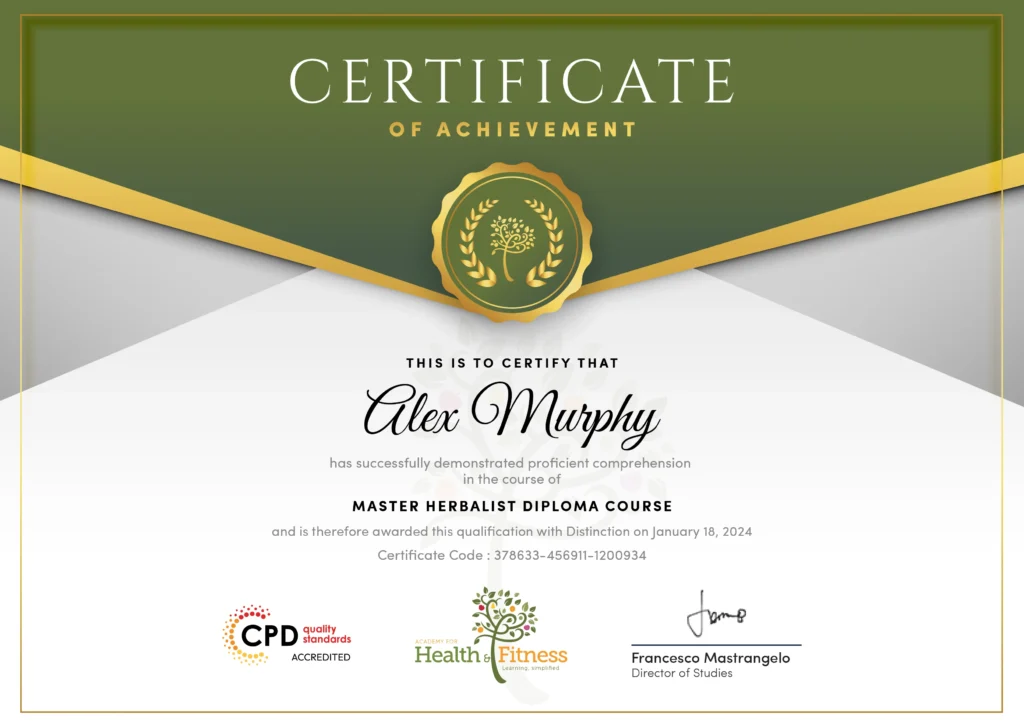
After successfully completing the course, you will qualify for a CPD Certificate as proof of your continued professional development and achievement. This certificate can enhance your professional profile and showcase your commitment to building relevant skills and knowledge. You can receive your digital certificate for only £10, or request a printed hard copy sent by post for just £29 or both for £39.
For assessing your learning, you have to complete an automated MCQ exam. It is required for the students to score at least 60% to pass the exam and fulfil the Quality Licence Scheme-endorsed certificate criteria. Learners can apply for the certificate after they clear the exam.
There are assignment questions provided at the end of the course. You are suggested to complete the questions to enrich your understanding of the course. You can complete this according to your preferred time. The expert tutor will provide feedback on your performance after assessing your assignment.
With knowledge of elderly care and disability support, you can access vital roles across the UK care sector. Careers range from hands-on support to policy and management, with competitive salaries reflecting skills and responsibility.
They assist clients with daily living, health needs, and wellbeing. Their role ensures safety, independence, and emotional support in care settings.
Disability support focuses on tailored interventions, accessibility, and independence for adults with specific physical or cognitive challenges.
It protects vulnerable adults from harm, abuse, and neglect. Knowledge of legal frameworks ensures safe and ethical practice.
Carers must understand client rights, consent, confidentiality, and UK care regulations to deliver lawful and respectful support.
Communication, empathy, record-keeping, and teamwork skills are vital for effective, safe, and person-centred care delivery.
Understanding local authority structures, service models, and policy guides decisions and ensures compliance with UK standards.
Assistive devices, monitoring systems, and digital care planning enhance safety, efficiency, and personalised support for clients.
By promoting social interaction, monitoring mood, and using therapeutic techniques to reduce stress and isolation.
Roles range from support worker to management, therapy assistant, and policy advisory positions, often with recognised qualifications.
Inclusive approaches ensure clients feel valued, respected, and empowered, regardless of disability, age, or background.
| Introduction | |||
| Introduction | 00:07:00 | ||
| Module 1 – Foundations of Elderly Care & Disability Support | |||
| Module 1 – Foundations of Elderly Care & Disability Support | 00:07:00 | ||
| Module 2 – Health, Wellbeing & Daily Living Support | |||
| Module 2 – Health, Wellbeing & Daily Living Support | 00:07:00 | ||
| Module 3 – Communication, Relationships & Inclusion | |||
| Module 3 – Communication, Relationships & Inclusion | 00:09:00 | ||
| Module 4 – Professional Skills & Workforce Wellbeing | |||
| Module 4 – Professional Skills & Workforce Wellbeing | 00:07:00 | ||
| Module 5 – Safeguarding, Rights & Ethical Care | |||
| Module 5 – Safeguarding, Rights & Ethical Care | 00:07:00 | ||
| Module 6 – Care Systems, Policy & Service Models | |||
| Module 6 – Care Systems, Policy & Service Models | 00:11:00 | ||
| Module 7 – Technology, Innovation & Future of Care | |||
| Module 7 – Technology, Innovation & Future of Care | 00:06:00 | ||
| Conclusion | |||
| Conclusion | 00:06:00 | ||
| Introduction | |||
| Introduction | 00:07:00 | ||
| Module 1 – Foundations of Elderly Care & Disability Support | |||
| Module 1 – Foundations of Elderly Care & Disability Support | 00:07:00 | ||
| Module 2 – Health, Wellbeing & Daily Living Support | |||
| Module 2 – Health, Wellbeing & Daily Living Support | 00:07:00 | ||
| Module 3 – Communication, Relationships & Inclusion | |||
| Module 3 – Communication, Relationships & Inclusion | 00:09:00 | ||
| Module 4 – Professional Skills & Workforce Wellbeing | |||
| Module 4 – Professional Skills & Workforce Wellbeing | 00:07:00 | ||
| Module 5 – Safeguarding, Rights & Ethical Care | |||
| Module 5 – Safeguarding, Rights & Ethical Care | 00:07:00 | ||
| Module 6 – Care Systems, Policy & Service Models | |||
| Module 6 – Care Systems, Policy & Service Models | 00:11:00 | ||
| Module 7 – Technology, Innovation & Future of Care | |||
| Module 7 – Technology, Innovation & Future of Care | 00:06:00 | ||
| Conclusion | |||
| Conclusion | 00:06:00 | ||