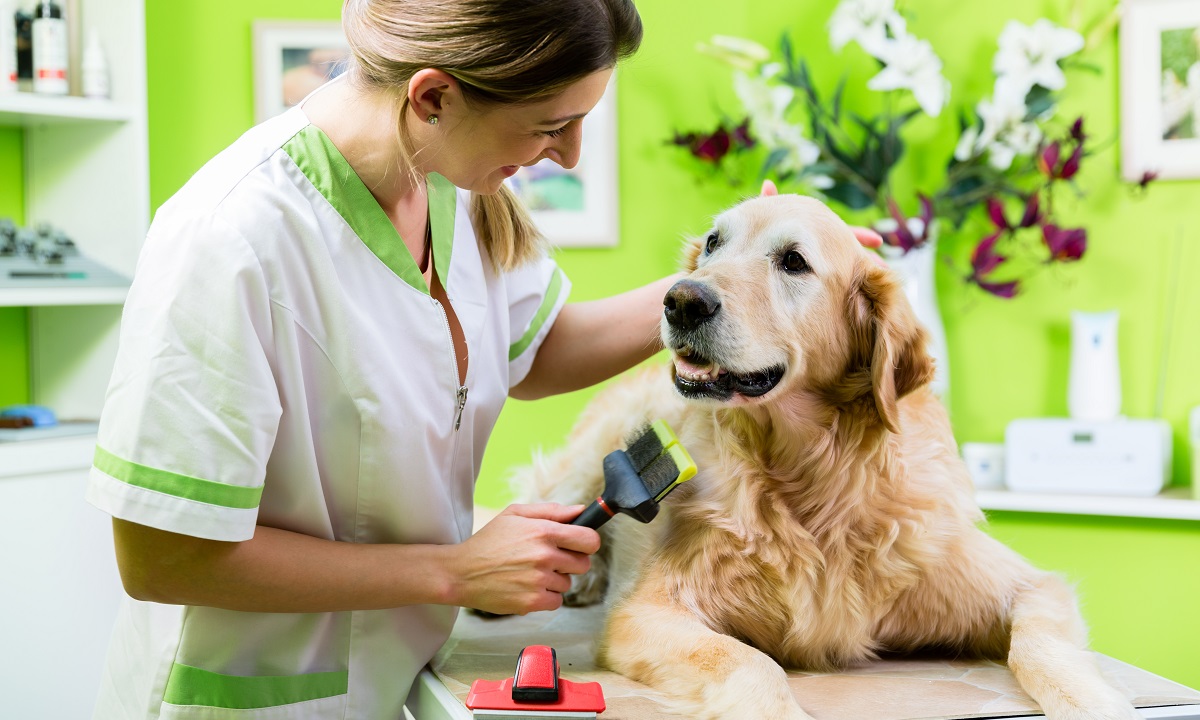
Master dog grooming with this CPD Accredited, Industry Standard course covering everything from dog anatomy and coat care to first aid and business startup. Learn expert grooming techniques and health essentials designed for real-world success. Enrol now to become a Globally Recognised dog grooming professional and elevate your career!
0
(0 Reviews)
23 Students
Exclusive Deal! 94% Off, Today Only!
Sale Ends In
CPD Point
The UK pet care industry is booming, with dog ownership rising by over 20% in recent years. This growth has created a strong demand for skilled dog groomers, making it a promising career path. Taking a Nationally Recognised, CPD Approved course ensures you gain up-to-date knowledge and stay competitive in this expanding market.
This course covers everything from dog anatomy and health to practical grooming techniques, including bathing, clipping, and first aid. You’ll work through hands-on modules designed to build confidence and expertise, such as tool handling and pre-grooming assessments. The curriculum balances theory with real-world skills, preparing you thoroughly for professional success.
By completing this Industry Standard qualification, you enhance your employability and open doors to promotion or self-employment in a thriving sector. Whether aiming to join a salon or start your own business, this course equips you with the skills and credibility to meet growing industry demands and secure a rewarding future.
By completing this course, learners will be able to:
Here is what the course will cover:
The Foundation of Psychology
Explore core psychology principles, foundational theories, and key terminology essential for understanding human behaviour and mental processes in academic and applied contexts.
Different Approaches of Psychology
Examine major psychological approaches, including cognitive, behavioural, psychodynamic, and humanistic, highlighting their impact on theory, research, and therapy techniques.
Developmental Psychology: How Children Become Adults
Understand human development stages from infancy to adulthood, focusing on cognitive, emotional, and social growth through lifespan theories and research insights.
Social Psychology
Analyze how social environments influence behaviour, attitudes, group dynamics, conformity, and interpersonal relationships using evidence-based social psychology theories.
Emotions in Terms of Psychology
Investigate psychological theories of emotions, their biological bases, expression, regulation, and impact on decision-making and mental health.
Dealing with Stress and Anxiety
Learn psychological mechanisms behind stress and anxiety, alongside effective coping strategies, therapeutic interventions, and stress management techniques.
Personality: Psychological Factors That Make You an Individual
Explore personality theories, traits, and assessment methods that explain individual differences in behaviour, motivation, and emotional patterns.
Learning: Understanding Acquired Behaviour
Study learning theories, including classical and operant conditioning, observational learning, and cognitive approaches to behaviour acquisition.
Mood Disorders
Examine symptoms, causes, and treatments of mood disorders such as depression and bipolar disorder, integrating psychological and neuroscientific perspectives.
Eating Disorders
Understand psychological, biological, and social factors contributing to eating disorders, focusing on diagnosis, prevention, and evidence-based treatments.
Personality Disorders
Explore classification, symptoms, and therapeutic approaches for personality disorders, emphasizing diagnostic criteria and clinical interventions.
Research Methods
Gain comprehensive knowledge of quantitative and qualitative research techniques, experimental design, data analysis, and ethical considerations in psychology studies.
Psychological Assessments
Learn about various psychological tests and assessment tools used to evaluate cognitive abilities, personality traits, and mental health conditions.
Ethical Issues in Psychological Assessments
Examine ethical principles, confidentiality, informed consent, and professional responsibilities critical to conducting valid and ethical psychological assessments.
This course is ideal for:
After completing the MCQ assessment, you will qualify for the CPD Certificate from HF Online as proof of your continued professional development. You can order your certificate at a cost of £10 for PDF and £29 for hardcopy certificate or both for £39.
For assessing your learning, you have to complete an automated MCQ exam. It is required for the students to score at least 60% to pass the exam. Learners can apply for the certificate after they clear the exam.
There are assignment questions provided at the end of the course. You are suggested to complete the questions to enrich your understanding of the course. You can complete this according to your preferred time. The expert tutor will provide feedback on your performance after assessing your assignment.
Completing this diploma can lead to the following UK job roles:
| Unit 01: Purpose of Dog Grooming | |||
| Module 01: Introduction to Dog Grooming | 00:03:00 | ||
| Module 02: History and Purpose of Dog Grooming | 00:07:00 | ||
| Unit 02: Dog Anatomy and Different Dog Breeds | |||
| Module 03: Understanding Basic Dog Anatomy | 00:12:00 | ||
| Module 04: Toy Group and Working Group | 00:11:00 | ||
| Module 05: Herding Group and Hound Group | 00:14:00 | ||
| Module 06: Terrier Group and Sporting Group | 00:14:00 | ||
| Module 07: Non-Sporting Group and Mixed Breeds | 00:13:00 | ||
| Unit 03: Dog’s Health and Safety | |||
| Module 08: Food and Nutrition Requirements for Dogs | 00:13:00 | ||
| Module 09: Food Habit and Healthy Diet | 00:10:00 | ||
| Module 10: Dog Vaccination | 00:12:00 | ||
| Module 11: Neutering Your Dog | 00:07:00 | ||
| Unit 04: Regular Care and Check-ups for Dogs | |||
| Module 12: Keeping Your Dog Healthy and Clean | 00:08:00 | ||
| Module 13: Importance of Regular Check-up | 00:10:00 | ||
| Unit 05: Coat Types, Skin Disorders and Parasites | |||
| Module 14: Different Coat Types of Dogs | 00:09:00 | ||
| Module 15: Infections and Other Skin Conditions | 00:12:00 | ||
| Module 16: Fleas, Ticks and Other External Parasites | 00:15:00 | ||
| Module 17: Internal Parasites | 00:06:00 | ||
| Unit 06: Preparation for Grooming | |||
| Module 18: Pre-Grooming Health Assessment | 00:06:00 | ||
| Module 19: Prepping the Grooming Area | 00:07:00 | ||
| Unit 07: Basics of Grooming, Tools and Equipment | |||
| Module 20: Required Tools and Equipment for Grooming | 00:15:00 | ||
| Module 21: Basic Grooming Techniques | 00:10:00 | ||
| Module 22: Eyes, Ears, Teeth and Nail Care | 00:16:00 | ||
| Unit 08: Bathing and Drying Process | |||
| Module 23: General Considerations of Bathing and Dying | 00:11:00 | ||
| Module 24: Getting Your Dog to Love Bath Time | 00:05:00 | ||
| Module 25: Bathing Process | 00:12:00 | ||
| Module 26: Drying Your Dog | 00:05:00 | ||
| Module 27: Basics of Clipping and Scissoring | 00:11:00 | ||
| Module 28: Cleaning and Disinfecting the Grooming Area and Equipment | 00:12:00 | ||
| Module 29: Grooming Emergencies | 00:08:00 | ||
| Unit 09: First Aid and Emergencies | |||
| Module 30: Dog First Aid | 00:14:00 | ||
| Unit 10: Starting Your Own Dog Grooming Business | |||
| Module 31: Deciding Whether Professional Grooming Is Right for You | 00:08:00 | ||
| Module 32: Getting Down to Business | 00:11:00 | ||
| Unit 11: Unearthing the Myths | |||
| Module 33: Popular Myths about Dog Care and Grooming | 00:08:00 | ||
| Unit 12: Regulations and Workplace Safety | |||
| Module 34: Regulations and Workplace Safety | 00:09:00 | ||
| Unit 01: Purpose of Dog Grooming | |||
| Module 01: Introduction to Dog Grooming | 00:03:00 | ||
| Module 02: History and Purpose of Dog Grooming | 00:07:00 | ||
| Unit 02: Dog Anatomy and Different Dog Breeds | |||
| Module 03: Understanding Basic Dog Anatomy | 00:12:00 | ||
| Module 04: Toy Group and Working Group | 00:11:00 | ||
| Module 05: Herding Group and Hound Group | 00:14:00 | ||
| Module 06: Terrier Group and Sporting Group | 00:14:00 | ||
| Module 07: Non-Sporting Group and Mixed Breeds | 00:13:00 | ||
| Unit 03: Dog’s Health and Safety | |||
| Module 08: Food and Nutrition Requirements for Dogs | 00:13:00 | ||
| Module 09: Food Habit and Healthy Diet | 00:10:00 | ||
| Module 10: Dog Vaccination | 00:12:00 | ||
| Module 11: Neutering Your Dog | 00:07:00 | ||
| Unit 04: Regular Care and Check-ups for Dogs | |||
| Module 12: Keeping Your Dog Healthy and Clean | 00:08:00 | ||
| Module 13: Importance of Regular Check-up | 00:10:00 | ||
| Unit 05: Coat Types, Skin Disorders and Parasites | |||
| Module 14: Different Coat Types of Dogs | 00:09:00 | ||
| Module 15: Infections and Other Skin Conditions | 00:12:00 | ||
| Module 16: Fleas, Ticks and Other External Parasites | 00:15:00 | ||
| Module 17: Internal Parasites | 00:06:00 | ||
| Unit 06: Preparation for Grooming | |||
| Module 18: Pre-Grooming Health Assessment | 00:06:00 | ||
| Module 19: Prepping the Grooming Area | 00:07:00 | ||
| Unit 07: Basics of Grooming, Tools and Equipment | |||
| Module 20: Required Tools and Equipment for Grooming | 00:15:00 | ||
| Module 21: Basic Grooming Techniques | 00:10:00 | ||
| Module 22: Eyes, Ears, Teeth and Nail Care | 00:16:00 | ||
| Unit 08: Bathing and Drying Process | |||
| Module 23: General Considerations of Bathing and Dying | 00:11:00 | ||
| Module 24: Getting Your Dog to Love Bath Time | 00:05:00 | ||
| Module 25: Bathing Process | 00:12:00 | ||
| Module 26: Drying Your Dog | 00:05:00 | ||
| Module 27: Basics of Clipping and Scissoring | 00:11:00 | ||
| Module 28: Cleaning and Disinfecting the Grooming Area and Equipment | 00:12:00 | ||
| Module 29: Grooming Emergencies | 00:08:00 | ||
| Unit 09: First Aid and Emergencies | |||
| Module 30: Dog First Aid | 00:14:00 | ||
| Unit 10: Starting Your Own Dog Grooming Business | |||
| Module 31: Deciding Whether Professional Grooming Is Right for You | 00:08:00 | ||
| Module 32: Getting Down to Business | 00:11:00 | ||
| Unit 11: Unearthing the Myths | |||
| Module 33: Popular Myths about Dog Care and Grooming | 00:08:00 | ||
| Unit 12: Regulations and Workplace Safety | |||
| Module 34: Regulations and Workplace Safety | 00:09:00 | ||