Medical emergencies don’t wait, and understanding paramedical science can save lives. Gain essential knowledge in patient care, diagnostics, and professional skills. Build your expertise and confidence—Enrol today.
4.5
(6 Reviews)
62 Students
Exclusive Deal! 94% Off, Today Only!
Sale Ends In
Paramedical professionals play a critical role in healthcare, often acting as the first responders during emergencies. Yet many aspiring practitioners lack a structured understanding of the knowledge and skills needed. This course provides a solid foundation in the principles and practices that underpin modern paramedical care in the UK.
You will explore the core concepts of health sciences, clinical and laboratory procedures, and patient-focused care. The course also guides you through specialised areas of paramedical practice, research methods, public health considerations, and emerging trends in healthcare technology. By blending practical skills with theoretical understanding, it ensures learners can confidently apply knowledge in real-world settings.
By the end of this diploma, you will understand paramedical principles, professional responsibilities, and advanced practices that enhance patient outcomes. Don’t risk uncertainty when lives depend on skill and accuracy—gain the expertise to excel in healthcare environments. Take the next step in your medical career and enrol now.
There are no formal prerequisites to enrol in this Health and Social Care Level 4 course. It is suitable for both beginners and individuals already working in care who want to develop their skills further.
The course is fully accessible online, allowing you to study from home using any internet-enabled device.
All you need is a willingness to learn, basic literacy skills, and to be over the age of 16.
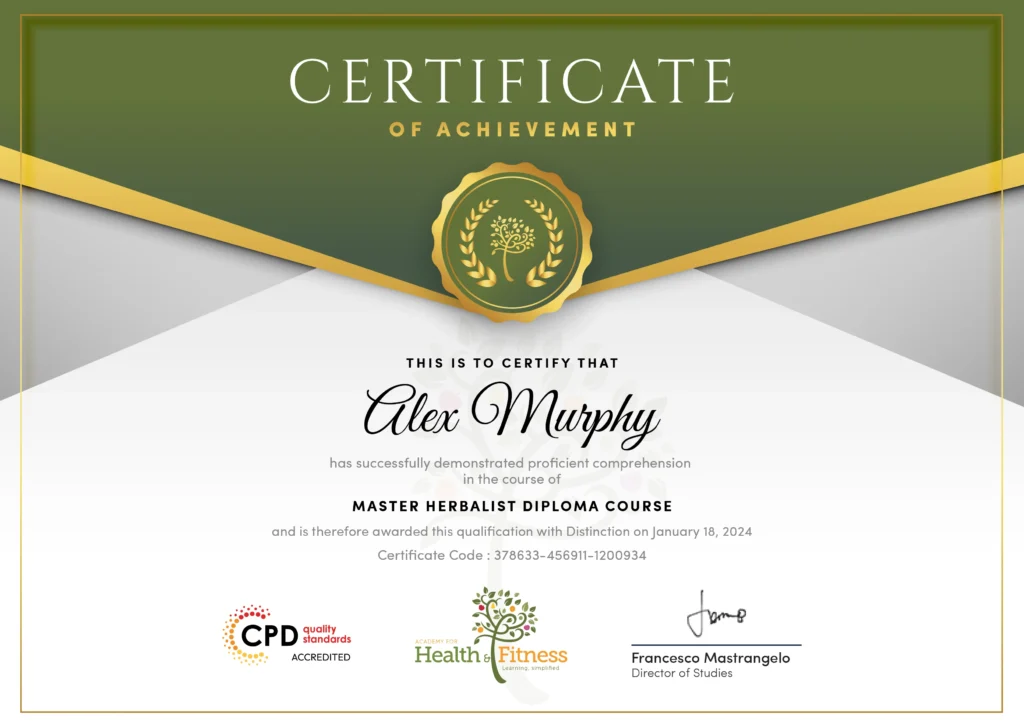
After successfully completing the course, you will qualify for a CPD Certificate as proof of your continued professional development and achievement. This certificate can enhance your professional profile and showcase your commitment to building relevant skills and knowledge. You can receive your digital certificate for only £10, or request a printed hard copy sent by post for just £29 or both for £39.
For assessing your learning, you have to complete an automated MCQ exam. It is required for the students to score at least 60% to pass the exam and fulfil the Quality Licence Scheme-endorsed certificate criteria. Learners can apply for the certificate after they clear the exam.
There are assignment questions provided at the end of the course. You are suggested to complete the questions to enrich your understanding of the course. You can complete this according to your preferred time. The expert tutor will provide feedback on your performance after assessing your assignment.
Paramedical science skills are highly relevant across hospitals, clinics, emergency services, and research sectors. Professionals trained in this field can pursue varied healthcare roles with competitive salaries and opportunities for advancement.
Paramedical science encompasses healthcare support practices outside traditional medicine. It focuses on emergency response, diagnostics, and patient care.
It provides practical skills, clinical knowledge, and professional competencies for UK healthcare roles.
Modules cover areas like emergency response, lab skills, public health, and advanced paramedical practice.
Research enhances evidence-based decision-making, patient outcomes, and development of clinical best practices.
Students learn ethical, empathetic, and professional care techniques for various healthcare environments.
Yes, it provides foundational knowledge and clinical skills relevant to emergency medical personnel.
Graduates can work as paramedics, lab technicians, nursing associates, public health workers, and more.
Students learn about NHS protocols, health and safety standards, and professional conduct guidelines.
Emerging technologies and practices are discussed, preparing students for future healthcare innovations.
It offers comprehensive training, recognised competencies, and practical skills for UK healthcare employment.
| Module 1: Foundations of Health Sciences | |||
| Module 1: Foundations of Health Sciences | 00:10:00 | ||
| Module 2: Core Paramedical Principles | |||
| Module 2: Core Paramedical Principles | 00:10:00 | ||
| Module 3: Clinical & Laboratory Skills | |||
| Module 3: Clinical & Laboratory Skills | 00:10:00 | ||
| Module 4: Specializations in Paramedical Practice | |||
| Module 4: Specializations in Paramedical Practice | 00:09:00 | ||
| Module 5: Patient Care & Professional Skills | |||
| Module 5: Patient Care & Professional Skills | 00:08:00 | ||
| Module 6: Research, Evidence & Public Health | |||
| Module 6: Research, Evidence & Public Health | 00:06:00 | ||
| Module 7: Advanced & Emerging Trends | |||
| Module 7: Advanced & Emerging Trends | 00:06:00 | ||
| Module 1: Foundations of Health Sciences | |||
| Module 1: Foundations of Health Sciences | 00:10:00 | ||
| Module 2: Core Paramedical Principles | |||
| Module 2: Core Paramedical Principles | 00:10:00 | ||
| Module 3: Clinical & Laboratory Skills | |||
| Module 3: Clinical & Laboratory Skills | 00:10:00 | ||
| Module 4: Specializations in Paramedical Practice | |||
| Module 4: Specializations in Paramedical Practice | 00:09:00 | ||
| Module 5: Patient Care & Professional Skills | |||
| Module 5: Patient Care & Professional Skills | 00:08:00 | ||
| Module 6: Research, Evidence & Public Health | |||
| Module 6: Research, Evidence & Public Health | 00:06:00 | ||
| Module 7: Advanced & Emerging Trends | |||
| Module 7: Advanced & Emerging Trends | 00:06:00 | ||