
Dialectical Behaviour Therapy
Emotional dysregulation contributes to rising mental health referrals across the UK, yet many professionals lack structured DBT awareness. Enrol now to strengthen therapeutic insight before complex behaviours are misunderstood or mismanaged.
4.5
(6 Reviews) 63 Students


Dialectical Behaviour Therapy
Exclusive Deal! 94% Off, Today Only!
Sale Ends In

 TAKE All courses for
£99
TAKE All courses for
£99 


This course includes:
-
 Access1 Year Access
 -
 Skill Level
 -
 Duration56 minutes
 -
 Students63 Students
- Original price was: £425.£25Current price is: £25. ex VAT
- 1 year
- Advanced
- Number of Units15
- Number of Quizzes0
- 56 minutes Gift this course
 14-Day Money-Back Guarantee
Course Overview
Mental health services in the UK continue to see increasing referrals for complex emotional and behavioural difficulties, including self-harm, personality disorders, and severe mood instability. National data shows significant demand for evidence-based therapeutic approaches that support emotional regulation and crisis management. Without structured understanding of Dialectical Behaviour Therapy (DBT), practitioners may struggle to interpret behavioural patterns or prioritise treatment targets effectively.
This Dialectical Behaviour Therapy course explores the DBT working process, core strategies, and multistage treatment model used to support individuals experiencing emotional dysregulation. Learners examine mindfulness, distress tolerance, emotion regulation, and interpersonal effectiveness skills alongside behavioural analysis and treatment prioritisation frameworks. The programme also considers DBT applications within borderline personality disorder, depression, anxiety, eating disorders, substance dependence, and suicidal behaviour contexts.
By completing this course, professionals strengthen therapeutic awareness and structured intervention understanding before complex presentations escalate without informed support.
Learning Outcomes
- Apply core DBT strategies supporting emotional regulation skills.
- Identify DBT applications across complex mental health conditions.
- Assess distress tolerance skills addressing crisis situations appropriately.
- Understand multistage DBT treatment planning approaches comprehensively.
- Analyse behavioural patterns using structured therapeutic analysis methods.
- Evaluate emotion regulation techniques within behavioural therapy contexts.
- Explain foundational principles underpinning Dialectical Behaviour Therapy practice.
- Recognise interpersonal effectiveness strategies improving relational stability outcomes.
- Interpret mindfulness techniques within therapeutic intervention frameworks effectively.
Why People Love and Enrol in this Training?
- CPD Accredited Course
- Unlimited access for 12 months – learn at your own pace ️
- Earn instant certificate upon course completion
- Get a free student ID card to showcase
- Flexible study – no deadlines
- Transparent pricing – no hidden fees
- Dedicated tutor support on weekdays
- Fast assessments & instant results
Who is this Course For?
- Mental health practitioners
- Counsellors and therapists
- Psychology students
- Support workers
- Wellbeing coordinators
- Social care professionals
CPD Certification
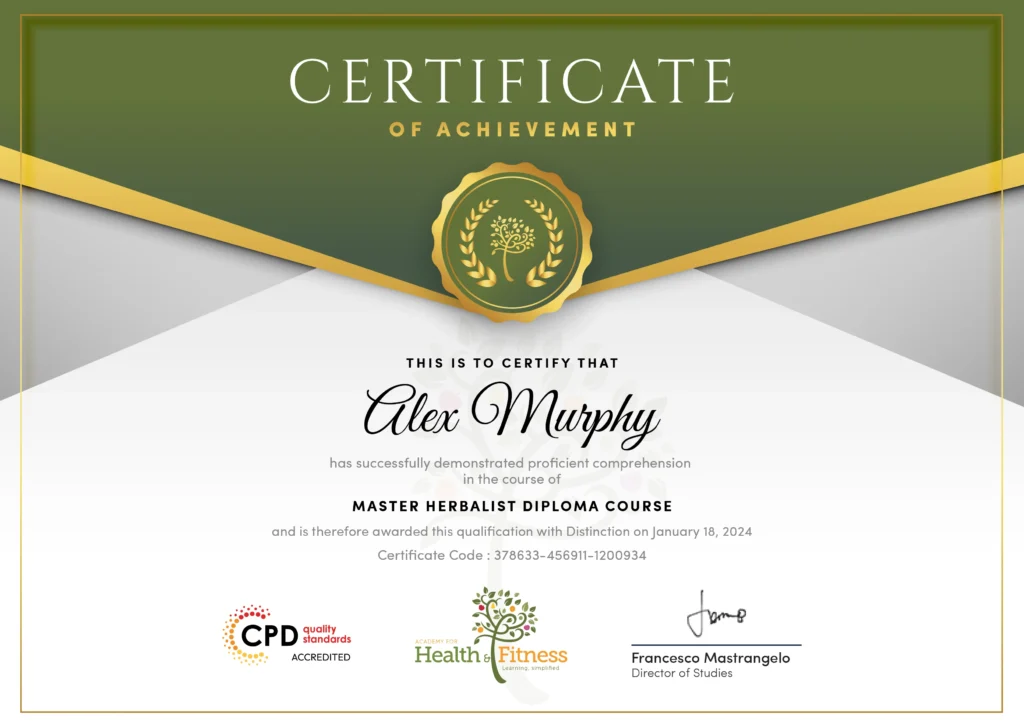
After successfully completing the course, you will qualify for a CPD Certificate as proof of your continued professional development and achievement. This certificate can enhance your professional profile and showcase your commitment to building relevant skills and knowledge. You can receive your digital certificate for only £10, or request a printed hard copy sent by post for just £29 or both for £39.
Assessment
For assessing your learning, you have to complete an automated MCQ exam. It is required for the students to score at least 60% to pass the exam. Learners can apply for the certificate after they clear the exam.
There are assignment questions provided at the end of the course. You are suggested to complete the questions to enrich your understanding of the course. You can complete this according to your preferred time. The expert tutor will provide feedback on your performance after assessing your assignment.
Prerequisites
There are no prerequisites, and you may use any internet-enabled device to study at your own speed, it is adaptable and available to students of all skill levels.
Job Opportunities
DBT awareness is increasingly valued across NHS mental health services, private counselling practices, community wellbeing programmes, and safeguarding environments. Employers prioritise professionals who demonstrate structured understanding of emotional regulation frameworks and evidence-based therapeutic approaches aligned with modern mental health practice.
- Mental Health Support Worker
Provides structured support to individuals experiencing emotional dysregulation within community or residential settings. Applies DBT-informed awareness to support behavioural stability. Average salary £22,000 to £30,000. - Counselling Assistant
Supports qualified therapists by reinforcing coping skill awareness and structured communication strategies. Works within regulated mental health or wellbeing services. Average salary £23,000 to £35,000. - Psychology Assistant
Assists in behavioural assessment and intervention planning within clinical environments. Applies evidence-based therapy frameworks under supervision. Average salary £24,000 to £36,000. - Community Mental Health Practitioner (Entry-Level Pathway)
Supports individuals within multidisciplinary teams delivering structured care programmes. Reinforces coping skill awareness and safeguarding principles. Average salary £28,000 to £40,000. - Wellbeing Coordinator
Implements emotional regulation and resilience frameworks within organisational or educational settings. Promotes mental health literacy initiatives. Average salary £26,000 to £38,000. - Substance Misuse Support Worker
Supports clients addressing behavioural patterns linked to substance dependence. Applies DBT-informed coping strategy awareness. Average salary £23,000 to £32,000. - Behavioural Support Practitioner
Works with individuals displaying complex behavioural presentations within structured support programmes. Uses behavioural analysis frameworks responsibly. Average salary £28,000 to £45,000. - Safeguarding Support Officer
Supports safeguarding processes within social care or mental health environments. Strengthens structured risk awareness and documentation. Average salary £28,000 to £42,000. - Residential Care Team Leader
Oversees support staff delivering structured emotional and behavioural support within care settings. Ensures compliance with safeguarding and ethical standards. Average salary £26,000 to £36,000.
Course Curriculum
| Module 01: Introduction to Dialectical Behaviour Therapy | |||
| Introduction to Dialectical Behaviour Therapy | 00:06:00 | ||
| Module 02: DBT Working Process | |||
| DBT Working Process | 00:07:00 | ||
| Module 03: DBT Strategies | |||
| DBT Strategies | 00:07:00 | ||
| Module 04: Mindfulness Skills | |||
| Mindfulness Skills | 00:05:00 | ||
| Module 05: Distress Tolerance Skills | |||
| Distress Tolerance Skills | 00:05:00 | ||
| Module 06: Emotion Regulation Skill | |||
| Emotion Regulation Skill | 00:03:00 | ||
| Module 07: Interpersonal Effective Skills | |||
| Interpersonal Effective Skills | 00:02:00 | ||
| Module 08: Multistage Approach of DBT | |||
| Multistage Approach of DBT | 00:04:00 | ||
| Module 09: Prioritising Treatment Targets | |||
| Prioritising Treatment Targets | 00:02:00 | ||
| Module 10: Behavioural Analysis | |||
| Behavioral Analysis | 00:02:00 | ||
| Module 11: DBT for Borderline Personality Disorder | |||
| DBT for Borderline Personality Disorder | 00:03:00 | ||
| Module 12: DBT in Depression | |||
| DBT in Depression | 00:03:00 | ||
| Module 13: DBT in Anxiety and Obsessive-Compulsive Disorder | |||
| Module 14: DBT in Eating Disorder | |||
| DBT in Anxiety and Obsessive-Compulsive Disorder | 00:03:00 | ||
| Module 15: DBT in Substance Dependence | |||
| DBT in Eating Disorder | 00:02:00 | ||
| Module 16: DBT in Suicidal and Self-destructive Behaviour | |||
| DBT in Suicidal and Self-destructive Behaviour | 00:02:00 | ||