Dementia can change how people experience the world, leaving care staff unsure how to provide meaningful support. Build the awareness and confidence needed to respond with compassion and understanding. Enrol today
4.5
(6 Reviews)
156 Students
Exclusive Deal! 94% Off, Today Only!
Sale Ends In
Every year, thousands of families and care professionals face the challenges of dementia, yet many carers feel unprepared to understand the changes behind a person’s behaviour and communication. Without the right awareness, opportunities to provide respectful and person-centred support can be missed.
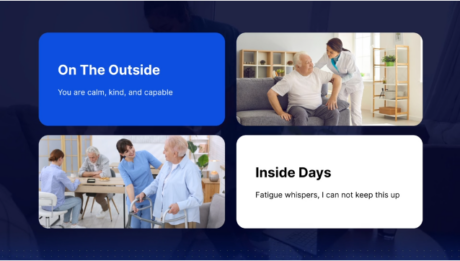
This Dementia Awareness & Support Training for Care Staff course explores how dementia affects individuals and how care professionals can respond effectively. You will learn about understanding dementia, compassionate communication, creating supportive environments, and maintaining responsible care practices. The course also focuses on emotional resilience, helping staff remain positive while supporting individuals through complex experiences.
By completing this training, you will develop greater confidence in delivering thoughtful dementia care within professional settings. Strengthen your knowledge today and ensure your approach continues to support dignity, wellbeing, and meaningful connections.
There are no formal prerequisites to enrol in this Health and Social Care Level 4 course. It is suitable for both beginners and individuals already working in care who want to develop their skills further.
The course is fully accessible online, allowing you to study from home using any internet-enabled device.
All you need is a willingness to learn, basic literacy skills, and to be over the age of 16.
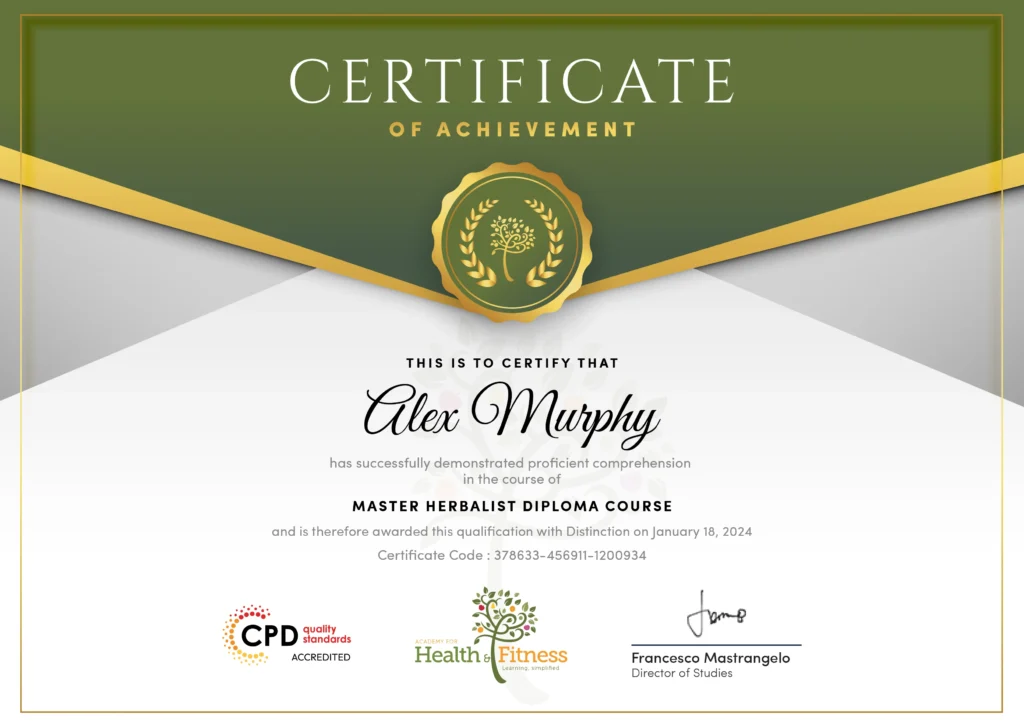
After successfully completing the course, you will qualify for a CPD Certificate as proof of your continued professional development and achievement. This certificate can enhance your professional profile and showcase your commitment to building relevant skills and knowledge. You can receive your digital certificate for only £10, or request a printed hard copy sent by post for just £29 or both for £39.
For assessing your learning, you have to complete an automated MCQ exam. It is required for the students to score at least 60% to pass the exam and fulfil the Quality Licence Scheme-endorsed certificate criteria. Learners can apply for the certificate after they clear the exam.
There are assignment questions provided at the end of the course. You are suggested to complete the questions to enrich your understanding of the course. You can complete this according to your preferred time. The expert tutor will provide feedback on your performance after assessing your assignment.
Dementia awareness skills are increasingly valued across the UK care sector, where professionals are needed to provide respectful, informed, and person-centred support. This training can strengthen your knowledge for roles involving older adults, vulnerable individuals, and specialist care environments.
Dementia awareness training helps care professionals understand how dementia affects individuals and their daily experiences. It develops knowledge needed to provide respectful and supportive care.
Â
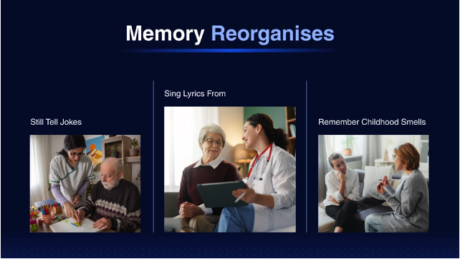
Dementia can influence memory, understanding, and the ability to express needs. Training helps staff use appropriate communication methods to build trust and reduce distress.
Â
Dementia awareness helps carers recognise individual needs and provide more effective support. It also encourages dignity, patience, and person-centred approaches.
Empathy allows care staff to understand emotions behind behaviours and respond with compassion. It helps create stronger relationships between carers and individuals.
The course develops practical knowledge around communication, environments, responsibility, and emotional resilience. It helps learners feel more prepared when supporting people with dementia.
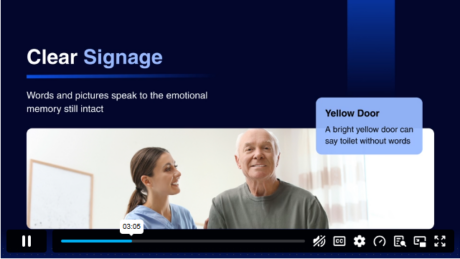
Supportive spaces are environments designed to improve comfort, safety, and independence. They help individuals feel more secure during everyday activities.
Â
Effective techniques include patience, active listening, clear language, and reassurance. These approaches help individuals feel understood and respected.
Responsible working ensures care is delivered safely, ethically, and consistently. It supports professional standards and protects individual wellbeing.
Â
Care assistants, healthcare workers, support staff, and social care professionals can benefit from this knowledge. It supports career development across many UK care roles.
Â
Carers can maintain wellbeing through resilience strategies, professional support, and healthy working practices. Looking after emotional health helps sustain quality care.
| 1. Seeing Through New Eyes | |||
| Seeing Through New Eyes | 00:10:00 | ||
| 2. Understanding Dementia | |||
| Understanding Dementia | 00:11:00 | ||
| 3. Communicating with Care | |||
| Communicating with Care | 00:09:00 | ||
| 4. Building Supportive Spaces | |||
| Building Supportive Spaces | 00:10:00 | ||
| 5. Working Responsibly | |||
| Working Responsibly | 00:10:00 | ||
| 6. Staying Strong and Hopeful | |||
| Staying Strong and Hopeful | 00:08:00 | ||
| 1. Seeing Through New Eyes | |||
| Seeing Through New Eyes | 00:10:00 | ||
| 2. Understanding Dementia | |||
| Understanding Dementia | 00:11:00 | ||
| 3. Communicating with Care | |||
| Communicating with Care | 00:09:00 | ||
| 4. Building Supportive Spaces | |||
| Building Supportive Spaces | 00:10:00 | ||
| 5. Working Responsibly | |||
| Working Responsibly | 00:10:00 | ||
| 6. Staying Strong and Hopeful | |||
| Staying Strong and Hopeful | 00:08:00 | ||