Develop essential knowledge of crisis prevention and intervention, including behaviour management, de-escalation techniques, risk assessment, safeguarding and emergency responses. Learn how to recognise crisis warning signs and support safer, more positive outcomes.
4.5
(6 Reviews)
39 Students
Exclusive Deal! 94% Off, Today Only!
Sale Ends In
Crisis Prevention and Intervention (CPI) is an essential area of knowledge for individuals who work with children, young people, vulnerable adults and individuals experiencing challenging situations. A crisis can develop due to emotional distress, behavioural difficulties, environmental pressures or unexpected events. Without appropriate support, these situations may affect personal safety, wellbeing and relationships.
This Crisis Prevention and Intervention (CPI) course explores the foundations of crisis management, behaviour development and effective communication. You will learn about de-escalation techniques, person-centred support, positive behaviour approaches and crisis risk assessment. Furthermore, the course examines emergency responses, restrictive interventions, UK legal responsibilities, safeguarding procedures and post-crisis management.
Throughout the course, you will develop an understanding of how to recognise early warning signs, assess potential risks and respond appropriately to challenging situations. You will also explore ways to promote safety, protect individual rights and support positive outcomes through effective intervention strategies. Whether you work in education, healthcare, social care or community support, this course can help strengthen your knowledge of crisis prevention and responsible professional practice.
By the end of this Crisis Prevention and Intervention (CPI) course, you will be able to:
Explain the fundamental principles of crisis prevention and intervention (CPI).
Identify common triggers, warning signs and stages of crisis development.
Describe how behaviour can change during emotionally challenging situations.
Explain effective communication and de-escalation techniques.
Identify person-centred approaches to positive behaviour support.
Describe how to conduct crisis risk assessments and develop safety plans.
Explain appropriate responses to crisis situations and emergencies.
Understand restrictive interventions and relevant UK legal responsibilities.
Identify safeguarding procedures and appropriate post-crisis support strategies.
Explain the importance of professional conduct, reflection and continuous improvement.
Teachers and classroom practitioners
Teaching assistants and school support staff
Healthcare professionals
Social care professionals
Childcare and early years practitioners
Youth workers and community support staff
Family support workers
Safeguarding officers and coordinators
Mental health support workers
Parents and carers
There are no formal prerequisites to enrol in this Crisis Prevention and Intervention (CPI) course. It is suitable for beginners as well as individuals already working in healthcare, education, childcare or social care who want to strengthen their knowledge of crisis management.
The course is fully accessible online, allowing you to study from home using any internet-enabled device.
All you need is a willingness to learn, basic literacy skills and to be over the age of 16.
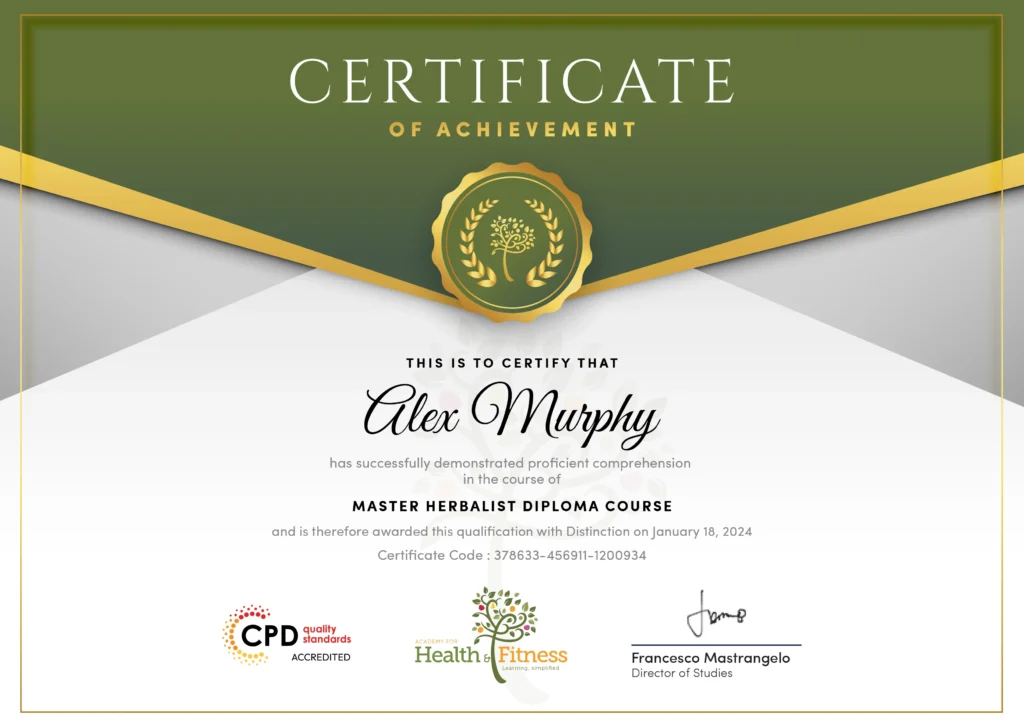
After successfully completing the course, you will qualify for a CPD Certificate as proof of your continued professional development and achievement. This certificate can enhance your professional profile and showcase your commitment to building relevant skills and knowledge. You can receive your digital certificate for only £10, or request a printed hard copy sent by post for just £29 or both for £39.
For assessing your learning, you have to complete an automated MCQ exam. It is required for the students to score at least 60% to pass the exam and fulfil the Quality Licence Scheme-endorsed certificate criteria. Learners can apply for the certificate after they clear the exam.
There are assignment questions provided at the end of the course. You are suggested to complete the questions to enrich your understanding of the course. You can complete this according to your preferred time. The expert tutor will provide feedback on your performance after assessing your assignment.
Knowledge of crisis prevention and intervention (CPI) can support professional development across healthcare, education, mental health, childcare and social care environments in the UK. Although this course does not independently qualify you for regulated or specialist positions, it can complement relevant qualifications, workplace training and professional experience.
1. Mental Health Support Worker
Support individuals experiencing emotional distress and mental health difficulties while encouraging appropriate support and positive coping strategies.
Typical UK salaries range from £23,000–£30,000.
2. Healthcare Assistant
Provide everyday care and assistance while recognising changes in behaviour, emotional wellbeing and individual support needs.
Typical UK salaries range from £22,000–£28,000.
3. Residential Childcare Worker
Support children and young people in residential settings by promoting emotional wellbeing, positive behaviour and personal safety.
Typical UK salaries range from £23,000–£30,000.
4. Behaviour Support Worker
Help individuals manage behavioural challenges through positive behaviour support, communication and appropriate intervention strategies.
Typical UK salaries range from £23,000–£32,000.
5. Youth Support Worker
Assist young people experiencing personal, emotional or social difficulties by promoting resilience and access to suitable support services.
Typical UK salaries range from £22,000–£30,000.
6. Social Care Worker
Support individuals with different care needs while maintaining their dignity, safety and independence during challenging situations.
Typical UK salaries range from £23,000–£32,000.
7. Teaching Assistant
Support pupils with behavioural, emotional and learning needs while helping maintain a safe and supportive classroom environment.
Typical UK salaries range from £20,000–£27,000.
8. Community Support Worker
Assist individuals experiencing personal difficulties by helping them access appropriate services and maintain positive community connections.
Typical UK salaries range from £22,000–£30,000.
9. Crisis Intervention Support Worker
Assist individuals experiencing difficult situations by recognising crisis indicators, communicating effectively and following appropriate support procedures.
Typical UK salaries range from £23,000–£32,000.
10. Safeguarding Support Officer
Assist organisations with safeguarding procedures, incident reporting and the appropriate management of concerns involving vulnerable individuals.
Typical UK salaries range from £23,000–£32,000.
| Crisis Prevention and Intervention | |||
| Module 1: Fundamentals of Crisis Prevention and Intervention | 00:11:00 | ||
| Module 2: Understanding Behaviour and Crisis Development | 00:11:00 | ||
| Module 3: Communication and De-escalation Techniques | 00:11:00 | ||
| Module 4: Person-Centred Support and Positive Behaviour | 00:11:00 | ||
| Module 5: Crisis Risk Assessment and Safety Planning | 00:11:00 | ||
| Module 6: Managing Crisis Situations and Emergency Responses | 00:07:00 | ||
| Module 7: Restrictive Interventions and Legal Responsibilities | 00:08:00 | ||
| Module 8: Safeguarding and Post-Crisis Management | 00:09:00 | ||
| Module 9: Professional Practice and Continuous Improvement | 00:09:00 | ||