Exclusive Deal! 94% Off, Today Only!
Sale Ends In
Emergencies happen when we least expect them, and every second counts. Many staff feel unprepared to act when a colleague or customer collapses, unsure how to perform CPR correctly. In the UK, thousands of cardiac arrests occur outside hospitals each year, yet timely intervention often saves lives. This course ensures you are never caught off guard.
You will explore the fundamentals of CPR, including adult resuscitation techniques, adaptations for children, infants, and other special populations, and recognise the signs of life-threatening emergencies. The programme also addresses human factors, team dynamics, and communication under pressure, helping you act decisively in high-stress situations. Practical guidance is paired with clear workplace implementation strategies, so CPR becomes a routine, effective part of your safety culture.
By completing this course, you will confidently perform CPR and support colleagues during emergencies, minimising risk and maximising survival outcomes. Equip yourself with knowledge and skills that could save a life—take the first step and enrol now.
There are no formal prerequisites to enrol in this Health and Social Care Level 4 course. It is suitable for both beginners and individuals already working in care who want to develop their skills further.
The course is fully accessible online, allowing you to study from home using any internet-enabled device.
All you need is a willingness to learn, basic literacy skills, and to be over the age of 16.
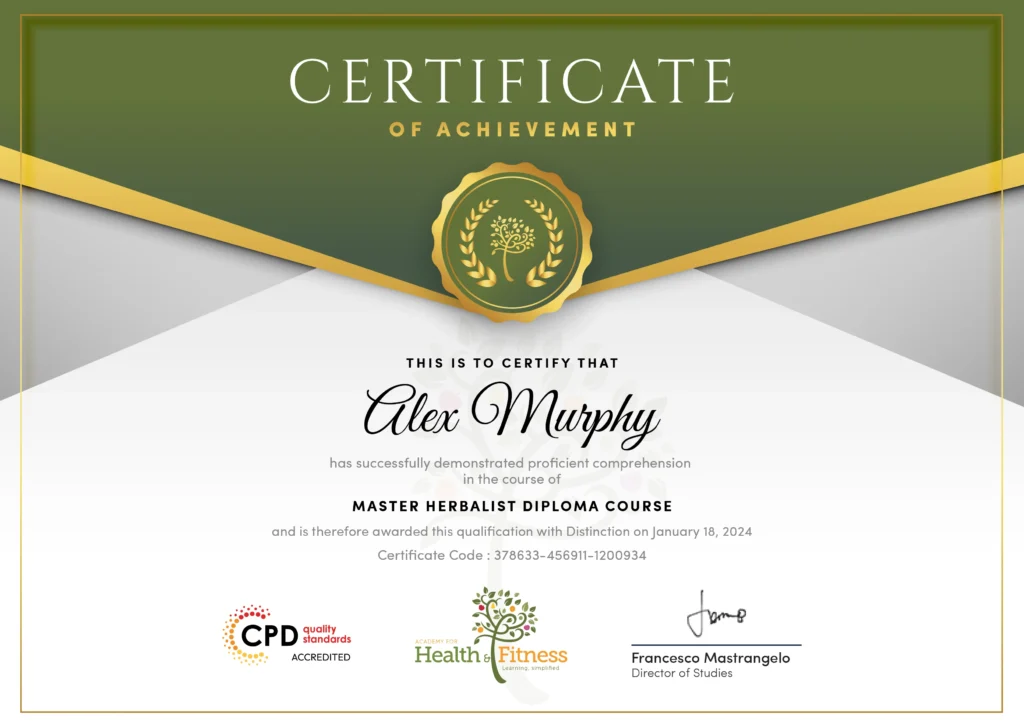
After successfully completing the course, you will qualify for a CPD Certificate as proof of your continued professional development and achievement. This certificate can enhance your professional profile and showcase your commitment to building relevant skills and knowledge. You can receive your digital certificate for only £10, or request a printed hard copy sent by post for just £29 or both for £39.
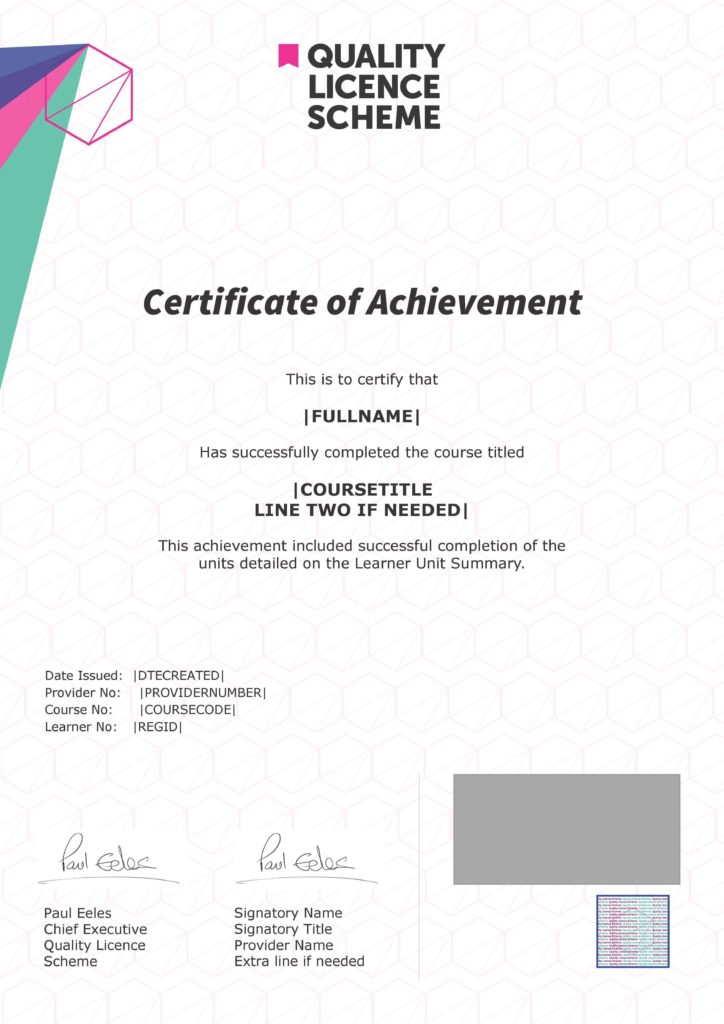
After successfully completing the course, learners will be able to order a QLS Endorsed Certificate as proof of their new achievement. The Level QLS Endorsed certificate can be ordered and get delivered to your home by post for £119 only. There is an additional £10 postage charge for international students.
For assessing your learning, you have to complete an automated MCQ exam. It is required for the students to score at least 60% to pass the exam and fulfil the Quality Licence Scheme-endorsed certificate criteria. Learners can apply for the certificate after they clear the exam.
There are assignment questions provided at the end of the course. You are suggested to complete the questions to enrich your understanding of the course. You can complete this according to your preferred time. The expert tutor will provide feedback on your performance after assessing your assignment.
Learning CPR is a vital workplace skill, enhancing employability across industries. Staff trained in CPR are highly valued in organisations prioritising safety, risk management, and emergency preparedness.
CPR is a life-saving technique used during cardiac arrest. It maintains blood flow until professional help arrives, increasing survival chances.
Techniques vary in compression depth, rate, and ventilation. The course teaches these variations for safe, effective resuscitation.
Efficient collaboration reduces delays and ensures accurate compressions. Clear roles improve outcomes in high-pressure situations.
Understanding stress, communication, and decision-making helps staff respond calmly and confidently in emergencies.
UK guidance recommends annual refreshers to maintain competence and confidence in emergency response.
While not a guarantee, timely and skilled CPR significantly improves survival odds during cardiac arrest incidents.
Good Samaritan principles protect responders acting in good faith. The course covers relevant legal frameworks.
Organisations implement protocols for training, equipment, and emergency response to comply with UK safety standards.
Basic CPR requires a firm surface and, where available, an AED (Automated External Defibrillator) for better outcomes.
Emergencies can occur anywhere, anytime. Broad training ensures immediate response before professional help arrives.
| Module 1 – Understanding CPR and Its Importance | |||
| Module 1 – Understanding CPR and Its Importance Part 1 | 00:04:00 | ||
| Module 1 – Understanding CPR and Its Importance Part 2 | 00:03:00 | ||
| Module 2 – Performing Adult CPR | |||
| Module 2 – Performing Adult CPR Part 1 | 00:03:00 | ||
| Module 2 – Performing Adult CPR Part 2 | 00:03:00 | ||
| Module 3 – Special Populations & Emergencies | |||
| Module 3 – Special Populations & Emergencies Part 1 | 00:03:00 | ||
| Module 3 – Special Populations & Emergencies Part 2 | 00:03:00 | ||
| Module 4 – Human Factors & Team Dynamics | |||
| Module 4 – Human Factors & Team Dynamics Part 1 | 00:03:00 | ||
| Module 4 – Human Factors & Team Dynamics Part 2 | 00:03:00 | ||
| Module 5 – Embedding CPR in the Workplace | |||
| Module 5 – Embedding CPR in the Workplace Part 1 | 00:03:00 | ||
| Module 5 – Embedding CPR in the Workplace Part 2 | 00:03:00 | ||
| Module 1 – Understanding CPR and Its Importance | |||
| Module 1 – Understanding CPR and Its Importance Part 1 | 00:04:00 | ||
| Module 1 – Understanding CPR and Its Importance Part 2 | 00:03:00 | ||
| Module 2 – Performing Adult CPR | |||
| Module 2 – Performing Adult CPR Part 1 | 00:03:00 | ||
| Module 2 – Performing Adult CPR Part 2 | 00:03:00 | ||
| Module 3 – Special Populations & Emergencies | |||
| Module 3 – Special Populations & Emergencies Part 1 | 00:03:00 | ||
| Module 3 – Special Populations & Emergencies Part 2 | 00:03:00 | ||
| Module 4 – Human Factors & Team Dynamics | |||
| Module 4 – Human Factors & Team Dynamics Part 1 | 00:03:00 | ||
| Module 4 – Human Factors & Team Dynamics Part 2 | 00:03:00 | ||
| Module 5 – Embedding CPR in the Workplace | |||
| Module 5 – Embedding CPR in the Workplace Part 1 | 00:03:00 | ||
| Module 5 – Embedding CPR in the Workplace Part 2 | 00:03:00 | ||