Every second counts in emergencies. Unprepared staff risk lives in care settings. Understand CPR principles, AED use, and post-resuscitation care to act confidently under pressure. Enrol today.
4.5
(6 Reviews)
52 Students
Exclusive Deal! 94% Off, Today Only!
Sale Ends In
Emergencies in health and social care can happen without warning, leaving staff uncertain about how to respond. Delays or incorrect actions during cardiac or respiratory crises can have serious consequences, yet many professionals feel unprepared. This course equips you with the knowledge and skills to act swiftly and confidently when lives are at stake.
You will explore the foundations of CPR, recognising cardiac and respiratory emergencies, and mastering both theoretical and practical CPR techniques. The course also covers the safe use of Automated External Defibrillators (AEDs), handling special situations such as choking or collapse, and understanding post-resuscitation care. Learners will gain insights into system-level learning, ensuring improvements in emergency response within care environments.
By the end of this course, you will confidently manage emergencies, understand the full CPR process, and contribute to safer care settings. Don’t wait until a crisis reveals gaps in your knowledge—take action now and enhance your life-saving competence.
There are no formal prerequisites to enrol in this Health and Social Care Level 4 course. It is suitable for both beginners and individuals already working in care who want to develop their skills further.
The course is fully accessible online, allowing you to study from home using any internet-enabled device.
All you need is a willingness to learn, basic literacy skills, and to be over the age of 16.
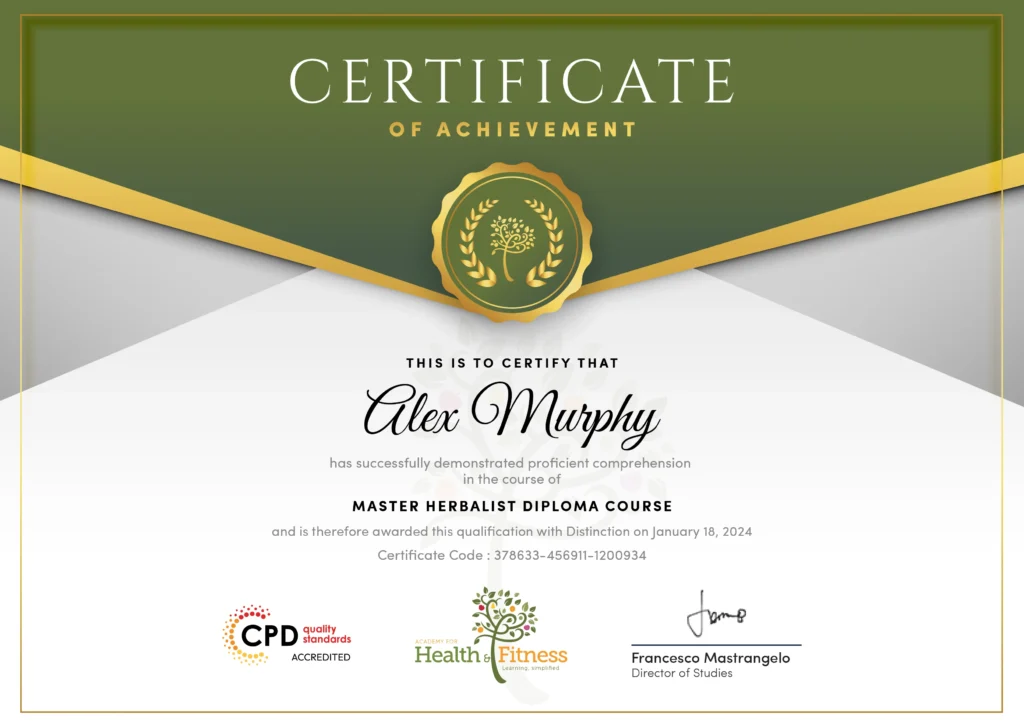
After successfully completing the course, you will qualify for a CPD Certificate as proof of your continued professional development and achievement. This certificate can enhance your professional profile and showcase your commitment to building relevant skills and knowledge. You can receive your digital certificate for only £10, or request a printed hard copy sent by post for just £29 or both for £39.
For assessing your learning, you have to complete an automated MCQ exam. It is required for the students to score at least 60% to pass the exam and fulfil the Quality Licence Scheme-endorsed certificate criteria. Learners can apply for the certificate after they clear the exam.
There are assignment questions provided at the end of the course. You are suggested to complete the questions to enrich your understanding of the course. You can complete this according to your preferred time. The expert tutor will provide feedback on your performance after assessing your assignment.
CPR awareness is critical across UK health and social care roles, ensuring staff can respond confidently in life-threatening emergencies. Skills gained from this course can boost employability, performance, and compliance with safety standards.
CPR is a life-saving technique for cardiac and respiratory emergencies. Proper training ensures safe, effective intervention in care environments.
Trained staff act quickly, reducing delays in resuscitation and improving survival rates.
AEDs increase survival chances during cardiac arrest. Knowing usage ensures safe and effective application.
It stabilises patients after CPR, prevents complications, and supports recovery.
Regular refreshers, typically every 12 months, maintain competency and confidence.
Choking, collapses, and complex emergency scenarios are included for real-world preparedness.
Yes, it supports adherence to UK health and safety and care standards.
Any trained staff member may perform CPR, following guidelines and workplace policies.
Theory explains principles and rationale, while practice develops hands-on, effective skills.
It identifies improvements, strengthens protocols, and enhances team readiness for future incidents.
| Introduction | |||
| Introduction | 00:05:00 | ||
| Module 1: Foundations of CPR in Care Contexts | |||
| Module 1: Foundations of CPR in Care Contexts | 00:03:00 | ||
| Module 2: Understanding Cardiac and Respiratory Emergencies | |||
| Module 2: Understanding Cardiac and Respiratory Emergencies Part 1 | 00:05:00 | ||
| Module 2: Understanding Cardiac and Respiratory Emergencies Part 2 | 00:03:00 | ||
| Module 3: CPR Techniques and Theory | |||
| Module 3: CPR Techniques and Theory Part 1 | 00:06:00 | ||
| Module 3: CPR Techniques and Theory Part 2 | 00:03:00 | ||
| Module 4: Automated External Defibrillators (AEDs) | |||
| Module 4: Automated External Defibrillators (AEDs) Part 1 | 00:06:00 | ||
| Module 4: Automated External Defibrillators (AEDs) Part 2 | 00:03:00 | ||
| Module 5: Special Situations and Advanced Insights | |||
| Module 5: Special Situations and Advanced Insights Part 1 | 00:06:00 | ||
| Module 5: Special Situations and Advanced Insights Part 2 | 00:03:00 | ||
| Module 6: Post-Resuscitation Care and System Learning | |||
| Module 6: Post-Resuscitation Care and System Learning Part 1 | 00:05:00 | ||
| Conclusion | |||
| Conclusion | 00:03:00 | ||
| Introduction | |||
| Introduction | 00:05:00 | ||
| Module 1: Foundations of CPR in Care Contexts | |||
| Module 1: Foundations of CPR in Care Contexts | 00:03:00 | ||
| Module 2: Understanding Cardiac and Respiratory Emergencies | |||
| Module 2: Understanding Cardiac and Respiratory Emergencies Part 1 | 00:05:00 | ||
| Module 2: Understanding Cardiac and Respiratory Emergencies Part 2 | 00:03:00 | ||
| Module 3: CPR Techniques and Theory | |||
| Module 3: CPR Techniques and Theory Part 1 | 00:06:00 | ||
| Module 3: CPR Techniques and Theory Part 2 | 00:03:00 | ||
| Module 4: Automated External Defibrillators (AEDs) | |||
| Module 4: Automated External Defibrillators (AEDs) Part 1 | 00:06:00 | ||
| Module 4: Automated External Defibrillators (AEDs) Part 2 | 00:03:00 | ||
| Module 5: Special Situations and Advanced Insights | |||
| Module 5: Special Situations and Advanced Insights Part 1 | 00:06:00 | ||
| Module 5: Special Situations and Advanced Insights Part 2 | 00:03:00 | ||
| Module 6: Post-Resuscitation Care and System Learning | |||
| Module 6: Post-Resuscitation Care and System Learning Part 1 | 00:05:00 | ||
| Conclusion | |||
| Conclusion | 00:03:00 | ||