When emergencies happen, hesitation can have serious consequences. Many people lack the confidence to respond effectively when first aid is needed. Build essential lifesaving awareness and skills before it matters. Enrol today
4.5
(6 Reviews)
163 Students
Exclusive Deal! 94% Off, Today Only!
Sale Ends In
Every year, emergencies require quick decisions, yet many people feel unprepared when immediate action is needed. Understanding CPR, AED use, and first aid responsibilities can make a crucial difference during critical moments in workplaces, communities, and everyday situations across the UK.
This course introduces the foundations of emergency response, exploring the origins of first aid practices, legal frameworks, duties, and responsibilities. Learners will examine enforcement requirements, potential penalties, real-world case studies, and practical applications that highlight the importance of effective response procedures. The course also explores future challenges and continuous improvement within first aid awareness.
By completing this CPR, AED & First Aid course, you will develop a stronger understanding of emergency preparedness and your responsibilities when supporting others. Gain the knowledge needed to respond confidently and avoid being unprepared when your actions may matter most.
There are no formal prerequisites to enrol in this Health and Social Care Level 4 course. It is suitable for both beginners and individuals already working in care who want to develop their skills further.
The course is fully accessible online, allowing you to study from home using any internet-enabled device.
All you need is a willingness to learn, basic literacy skills, and to be over the age of 16.
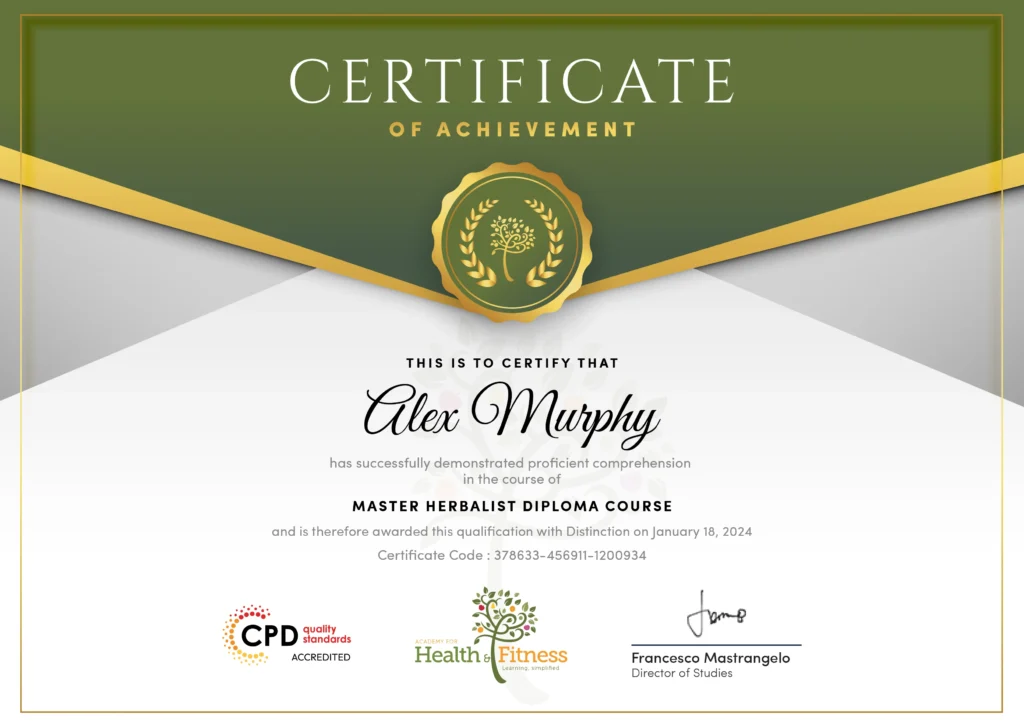
After successfully completing the course, you will qualify for a CPD Certificate as proof of your continued professional development and achievement. This certificate can enhance your professional profile and showcase your commitment to building relevant skills and knowledge. You can receive your digital certificate for only £10, or request a printed hard copy sent by post for just £29 or both for £39.
For assessing your learning, you have to complete an automated MCQ exam. It is required for the students to score at least 60% to pass the exam and fulfil the Quality Licence Scheme-endorsed certificate criteria. Learners can apply for the certificate after they clear the exam.
There are assignment questions provided at the end of the course. You are suggested to complete the questions to enrich your understanding of the course. You can complete this according to your preferred time. The expert tutor will provide feedback on your performance after assessing your assignment.
Understanding CPR, AED use, and first aid principles supports a wide range of roles across UK workplaces where safety awareness and emergency preparedness are valued. These skills can strengthen professional confidence in care, education, workplace safety, and community-focused environments.
CPR, AED & First Aid training teaches essential knowledge for responding to medical emergencies. It covers emergency procedures, legal responsibilities, and practical response awareness.
Â
CPR training helps learners understand how to respond when someone experiences a life-threatening medical event. It focuses on recognising emergencies and taking appropriate action.
Â
AED awareness helps individuals understand the role of automated external defibrillators during cardiac emergencies. Knowing how AEDs support emergency response can improve preparedness.
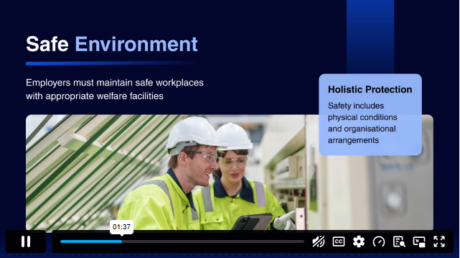
First aid supports safer workplaces by ensuring employees understand emergency responsibilities. Employers often require suitable first aid arrangements based on workplace risks.
Â
Legal frameworks establish expectations for providing appropriate first aid support and maintaining workplace safety standards. They help organisations understand their responsibilities.
The course explores the responsibilities individuals and organisations may have during emergency situations. It highlights the importance of appropriate preparation and response.
Â
Enforcement measures ensure organisations follow relevant health and safety responsibilities. Non-compliance may lead to penalties depending on circumstances.
Case studies help learners understand how emergency response principles apply in realistic situations. They connect theoretical knowledge with practical decision-making.
Â
Future challenges include improving accessibility, maintaining updated knowledge, and adapting to changing safety expectations. Continuous learning supports effective emergency preparedness.
Â
CPR and first aid skills are valuable across many UK sectors where safety awareness is important. They can support professional development in care, health, education, and workplace roles.
| Module 1: Origins and Legal Framework | |||
| Origins and Legal Framework | 00:08:00 | ||
| Module 2: Duties and Responsibilities | |||
| Duties and Responsibilities | 00:06:00 | ||
| Module 3: Enforcement and Penalties | |||
| Enforcement and Penalties | 00:06:00 | ||
| Module 4: Case Studies and Practical Application | |||
| Case Studies and Practical Application | 00:06:00 | ||
| Module 5: Future Challenges and Continuous Improvement | |||
| Future Challenges and Continuous Improvement | 00:05:00 | ||
| Module 1: Origins and Legal Framework | |||
| Origins and Legal Framework | 00:08:00 | ||
| Module 2: Duties and Responsibilities | |||
| Duties and Responsibilities | 00:06:00 | ||
| Module 3: Enforcement and Penalties | |||
| Enforcement and Penalties | 00:06:00 | ||
| Module 4: Case Studies and Practical Application | |||
| Case Studies and Practical Application | 00:06:00 | ||
| Module 5: Future Challenges and Continuous Improvement | |||
| Future Challenges and Continuous Improvement | 00:05:00 | ||