
Cost Accounting
Rising operational costs continue to pressure UK organisations, yet weak cost analysis often masks inefficiencies. Enrol now to strengthen structured cost accounting insight before uncontrolled expenditure impacts profitability and decision-making.
4.5
(6 Reviews) 36 Students


Cost Accounting
Exclusive Deal! 94% Off, Today Only!
Sale Ends In

 TAKE All courses for
£99
TAKE All courses for
£99 


This course includes:
-
 Access1 Year Access
 -
 Skill Level
 -
 Duration1 hour, 12 minutes
 -
 Students36 Students
- Original price was: £425.£25Current price is: £25. ex VAT
- 1 year
- Advanced
- Number of Units5
- Number of Quizzes0
- 1 hour, 12 minutes Gift this course
 14-Day Money-Back Guarantee
Course Overview
Recent UK data shows that operating costs for many businesses have risen by over 15% in key sectors due to supply chain pressures and energy volatility. Even modest inefficiencies in cost allocation or budgeting can significantly impact profitability and pricing stability. Without structured cost accounting systems, organisations risk inaccurate forecasting, weak performance measurement, and reduced financial resilience.
This Cost Accounting course develops practical understanding of cost classification, budgeting frameworks, performance analysis, and cost control methodologies aligned with UK financial practices. Learners explore variance analysis, forecasting models, pricing strategies, and advanced cost management concepts used in commercial environments. The programme strengthens analytical skills for monitoring expenditure and improving operational efficiency.
By completing this course, professionals enhance financial discipline and strategic planning capability before rising expenses undermine organisational sustainability and long-term profitability objectives.
Learning Outcomes
- Evaluate pricing models using accurate cost allocation methods.
- Explain core principles underpinning modern cost accounting systems.
- Interpret cost behaviour influencing pricing and profitability decisions.
- Apply variance analysis techniques improving operational cost control.
- Implement cost reduction strategies enhancing organisational efficiency.
- Assess performance measurement indicators within cost accounting contexts.
- Understand advanced cost accounting topics influencing strategic planning.
- Strengthen financial oversight through disciplined cost management practices.
- Classify organisational costs using structured analytical frameworks accurately.
- Develop budgeting strategies supporting realistic financial forecasting processes.
Why People Love and Enrol in this Training?
- CPD Accredited Course
- Unlimited access for 12 months – learn at your own pace ️
- Earn instant certificate upon course completion
- Get a free student ID card to showcase
- Flexible study – no deadlines
- Transparent pricing – no hidden fees
- Dedicated tutor support on weekdays
- Fast assessments & instant results
Who is this Course For?
- Finance and accounts staff
- Management accounting assistants
- Business managers and owners
- Cost control officers
- Finance graduates
- Operations supervisors
CPD Certification
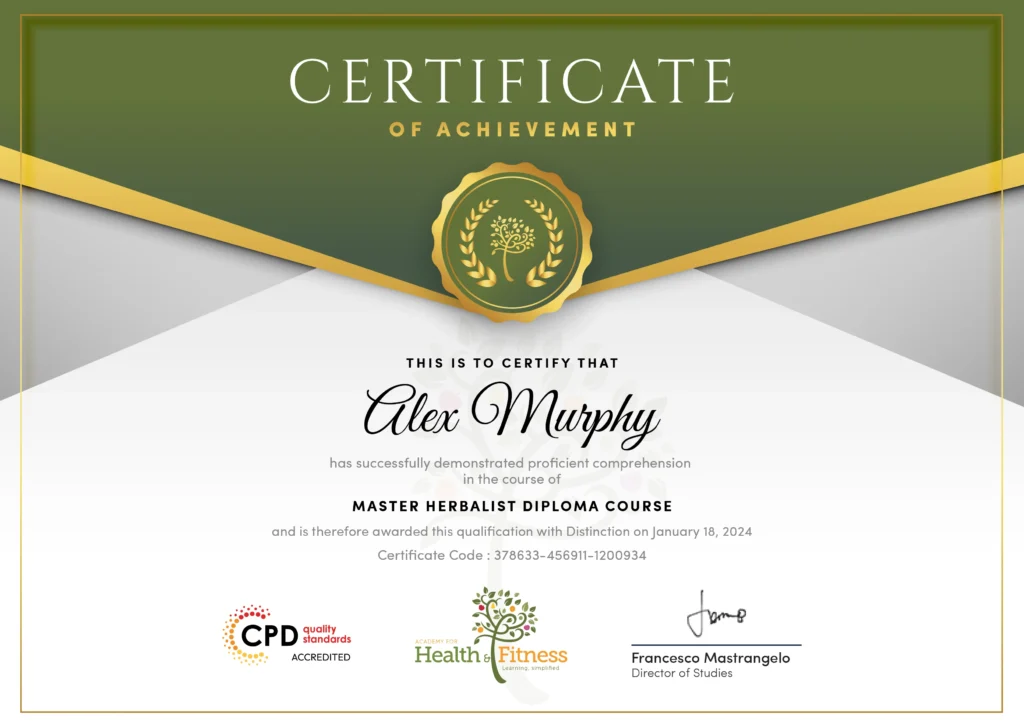
After successfully completing the course, you will qualify for a CPD Certificate as proof of your continued professional development and achievement. This certificate can enhance your professional profile and showcase your commitment to building relevant skills and knowledge. You can receive your digital certificate for only £10, or request a printed hard copy sent by post for just £29 or both for £39.
Assessment
For assessing your learning, you have to complete an automated MCQ exam. It is required for the students to score at least 60% to pass the exam. Learners can apply for the certificate after they clear the exam.
There are assignment questions provided at the end of the course. You are suggested to complete the questions to enrich your understanding of the course. You can complete this according to your preferred time. The expert tutor will provide feedback on your performance after assessing your assignment.
Prerequisites
There are no prerequisites, and you may use any internet-enabled device to study at your own speed, it is adaptable and available to students of all skill levels.
Job Opportunities
Cost accounting expertise is highly valued across UK manufacturing, retail, construction, and service sectors where profitability depends on structured expense monitoring and forecasting accuracy. Employers prioritise professionals capable of analysing cost data, supporting pricing decisions, and strengthening financial governance systems.
- Cost Accountant
Monitors organisational expenditure, prepares cost reports, and supports budgeting processes to improve financial performance. Strengthens profitability analysis and operational efficiency oversight. Average salary £35,000 to £60,000. - Management Accountant
Prepares financial performance reports and supports strategic planning through detailed cost evaluation frameworks. Ensures informed pricing and resource allocation decisions. Average salary £40,000 to £65,000. - Budget Analyst
Develops and monitors departmental budgets while identifying cost variances and efficiency improvements. Supports long-term financial forecasting accuracy. Average salary £35,000 to £55,000. - Financial Planning Analyst
Assesses cost structures and performance data to guide organisational strategy and investment decisions. Strengthens executive financial insight and reporting. Average salary £40,000 to £70,000. - Operations Finance Officer
Works alongside operational teams to monitor production costs and identify savings opportunities. Supports compliance with financial controls and reporting standards. Average salary £32,000 to £50,000. - Pricing Analyst
Evaluates cost data to establish competitive yet profitable pricing strategies within commercial environments. Ensures alignment between cost structures and revenue targets. Average salary £35,000 to £60,000. - Finance Business Partner
Collaborates with departmental leaders to interpret cost performance and strategic investment decisions. Strengthens accountability and budget discipline. Average salary £50,000 to £85,000. - Internal Audit Assistant (Finance)
Reviews cost control systems and financial documentation to ensure compliance and efficiency. Identifies discrepancies and improvement opportunities. Average salary £30,000 to £50,000. - Risk and Compliance Officer (Finance)
Monitors cost-related risks and financial governance practices across organisations. Supports audit preparation and regulatory alignment. Average salary £40,000 to £65,000. - Corporate Finance Executive
Supports financial modelling, cost evaluation, and investment appraisal activities within corporate organisations. Strengthens strategic growth planning initiatives. Average salary £45,000 to £80,000.
Course Curriculum
| Module 1: Introduction to Cost Accounting | |||
| Module 1: Introduction to Cost Accounting | 00:14:00 | ||
| Module 2: Cost Classification and Analysis | |||
| Module 2: Cost Classification and Analysis | 00:11:00 | ||
| Module 3: Budgeting and Forecasting | |||
| Module 3: Budgeting and Forecasting | 00:16:00 | ||
| Module 4: Cost Control and Performance Measurement | |||
| Module 4: Cost Control and Performance Measurement | 00:15:00 | ||
| Module 5: Advanced Topics in Cost Accounting | |||
| Module 5: Advanced Topics in Cost Accounting | 00:16:00 | ||