Confined spaces remain among the most dangerous construction environments, where a single oversight can prove fatal. Enrol now to strengthen hazard awareness and safe entry procedures before hidden risks lead to serious incidents and regulatory action.
Exclusive Deal! 94% Off, Today Only!
Sale Ends In
Confined spaces present some of the most hazardous working conditions in the construction industry, with UK safety reports consistently highlighting fatalities and serious injuries linked to oxygen deficiency, toxic gases, and restricted access environments. The Health and Safety Executive (HSE) identifies confined spaces as high-risk areas where inadequate planning, poor monitoring, and insufficient training significantly increase the likelihood of fatal incidents. Under the Confined Spaces Regulations 1997, employers must ensure that work in confined spaces is properly assessed, controlled, and carried out by competent personnel.
This Confined Space Training for Construction Workers course provides essential knowledge of confined space hazards, safe entry procedures, and appropriate equipment use. Learners will explore risk assessments, permit-to-work systems, ventilation and monitoring techniques, and emergency response planning. The programme emphasises practical awareness and continuous improvement to support safer construction operations.
By completing this course, workers strengthen their ability to operate safely in confined environments, supporting compliance, protecting lives, and reducing the risk of serious workplace incidents.
After successfully completing the course, you will qualify for a CPD Certificate as proof of your continued professional development and achievement. This certificate can enhance your professional profile and showcase your commitment to building relevant skills and knowledge. You can receive your digital certificate for only £10, or request a printed hard copy sent by post for just £29 or both for £39.
For assessing your learning, you have to complete an automated MCQ exam. It is required for the students to score at least 60% to pass the exam. Learners can apply for the certificate after they clear the exam.
There are assignment questions provided at the end of the course. You are suggested to complete the questions to enrich your understanding of the course. You can complete this according to your preferred time. The expert tutor will provide feedback on your performance after assessing your assignment.
There are no prerequisites, and you may use any internet-enabled device to study at your own speed, it is adaptable and available to students of all skill levels.
Confined space safety competence is highly valued across construction, utilities, infrastructure, and industrial sectors in the UK. Employers prioritise trained workers who can operate safely in high-risk environments and support regulatory compliance.
Construction Operative (Confined Space Trained)
Performs tasks in tanks, shafts, tunnels, and service chambers safely. Applies safe entry procedures and hazard controls to prevent serious incidents. Average salary £25,000–£36,000.
Confined Space Operative
Specialises in working within restricted environments such as sewers and tanks. Uses monitoring equipment and permits to ensure safe operations. Average salary £28,000–£40,000.
Civil Engineering Operative
Works on infrastructure projects involving tunnels, manholes, and underground systems. Implements confined space safety procedures and emergency protocols. Average salary £27,000–£38,000.
Utilities Technician
Maintains water, gas, and drainage systems requiring confined space entry. Applies gas monitoring and ventilation techniques to ensure safe working conditions. Average salary £28,000–£42,000.
Site Supervisor
Oversees confined space activities and ensures compliance with safety regulations. Manages permits, risk assessments, and emergency preparedness on site. Average salary £35,000–£50,000.
Health and Safety Advisor
Develops and monitors confined space safety procedures within organisations. Conducts audits, risk assessments, and incident investigations. Average salary £35,000–£55,000.
Maintenance Engineer
Performs inspections and repairs in plant rooms, tanks, and enclosed structures. Ensures safe access and adherence to confined space procedures. Average salary £32,000–£48,000.
Drainage and Sewer Technician
Works within underground systems requiring strict confined space controls. Uses specialist equipment and rescue procedures to maintain safety. Average salary £26,000–£38,000.
Industrial Cleaning Operative
Carries out cleaning operations in silos, tanks, and processing vessels. Follows permit systems and atmospheric testing protocols for safety. Average salary £24,000–£34,000.
Rescue Team Member (Confined Space)
Provides standby and emergency rescue support for confined space operations. Uses specialist rescue equipment and coordinated response procedures. Average salary £30,000–£45,000.
This training provides essential knowledge for safely working in enclosed or restricted environments on construction sites. It focuses on hazard recognition, safe entry procedures and emergency response.
Confined spaces include tanks, tunnels, sewers, manholes, shafts and enclosed chambers. These areas have limited entry or exit and may contain hazardous atmospheres.
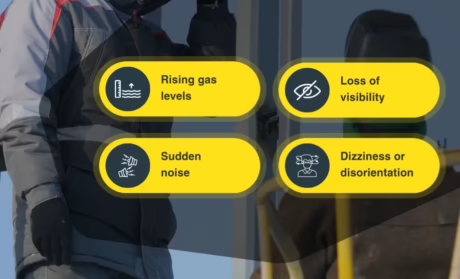
Risks include toxic gases, oxygen deficiency, flooding, engulfment and restricted escape routes. Without proper controls and training, incidents can become rapidly life-threatening.
The Confined Spaces Regulations 1997 require employers to avoid confined space work where possible and ensure safe systems of work when it is necessary.
A permit-to-work is a formal document authorising confined space entry under controlled conditions. It ensures hazards are assessed and safety measures are in place before work begins.
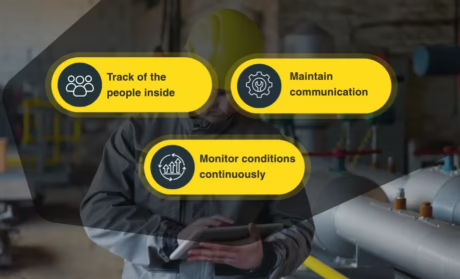
Common equipment includes gas detectors, ventilation systems, harnesses, tripods, breathing apparatus and communication devices. These tools help monitor conditions and enable safe rescue if required.
Construction workers, supervisors, maintenance staff and anyone required to enter or supervise confined spaces should complete this training.
Workers must follow established emergency procedures and avoid unplanned rescue attempts. Trained rescue personnel using proper equipment should manage the situation.
Yes, it supports compliance with the Confined Spaces Regulations 1997 and broader health and safety duties under the Health and Safety at Work Act 1974.
Yes, confined space certification is highly valued in construction, utilities and infrastructure sectors. It enhances employability and eligibility for specialised roles.
| Introduction | |||
| Introduction | 00:00:40 | ||
| Module 1: Introduction to Confined Spaces | |||
| 1.1 What is a Confined Space? | 00:00:55 | ||
| 1.2 Legal and Safety Responsibilities | 00:01:00 | ||
| 1.3 Hazards Associated with Confined Spaces | 00:00:52 | ||
| 1.4 Risk Assessment and Control Measures | 00:01:00 | ||
| Module 2: Safe Entry and Work Procedures | |||
| 2.1 Entry Permits and Authorisation | 00:00:47 | ||
| 2.2 Personal Protective Equipment (PPE) | 00:00:52 | ||
| 2.3 Atmospheric Testing and Monitoring | 00:01:00 | ||
| 2.4 Emergency Preparedness | 00:01:00 | ||
| Module 3: Equipment and Techniques | |||
| 3.1 Ventilation and Air Supply | 00:00:58 | ||
| 3.2 Tools and Machinery Safety | 00:00:49 | ||
| 3.3 Communication Systems | 00:01:00 | ||
| 3.4 Rescue Equipment and Techniques | 00:00:52 | ||
| Module 4: Incident Response and Continuous Improvement | |||
| 4.1 Recognising and Responding to Incidents | 00:01:00 | ||
| 4.2 Incident Reporting and Investigation | 00:00:51 | ||
| 4.3 Training and Competency | 00:00:49 | ||
| 4.4 Review and Audit Processes | 00:00:49 | ||
| Conclusion | |||
| Conclusion | 00:00:40 | ||
| Introduction | |||
| Introduction | 00:00:40 | ||
| Module 1: Introduction to Confined Spaces | |||
| 1.1 What is a Confined Space? | 00:00:55 | ||
| 1.2 Legal and Safety Responsibilities | 00:01:00 | ||
| 1.3 Hazards Associated with Confined Spaces | 00:00:52 | ||
| 1.4 Risk Assessment and Control Measures | 00:01:00 | ||
| Module 2: Safe Entry and Work Procedures | |||
| 2.1 Entry Permits and Authorisation | 00:00:47 | ||
| 2.2 Personal Protective Equipment (PPE) | 00:00:52 | ||
| 2.3 Atmospheric Testing and Monitoring | 00:01:00 | ||
| 2.4 Emergency Preparedness | 00:01:00 | ||
| Module 3: Equipment and Techniques | |||
| 3.1 Ventilation and Air Supply | 00:00:58 | ||
| 3.2 Tools and Machinery Safety | 00:00:49 | ||
| 3.3 Communication Systems | 00:01:00 | ||
| 3.4 Rescue Equipment and Techniques | 00:00:52 | ||
| Module 4: Incident Response and Continuous Improvement | |||
| 4.1 Recognising and Responding to Incidents | 00:01:00 | ||
| 4.2 Incident Reporting and Investigation | 00:00:51 | ||
| 4.3 Training and Competency | 00:00:49 | ||
| 4.4 Review and Audit Processes | 00:00:49 | ||
| Conclusion | |||
| Conclusion | 00:00:40 | ||