Understand Child Sexual Exploitation, recognise grooming and warning signs, explore safeguarding responsibilities, and learn how to protect vulnerable children.
4.5
(6 Reviews)
28 Students
Exclusive Deal! 94% Off, Today Only!
Sale Ends In
Child Sexual Exploitation (CSE) is a serious form of child abuse that can have lasting effects on a child’s safety, health and wellbeing. Children and young people may be manipulated, groomed or pressured into sexual activities through threats, false promises, gifts or emotional control. Recognising the warning signs early and understanding how exploitation happens are essential for anyone responsible for supporting or protecting children.
This course explores the key aspects of Child Sexual Exploitation, including grooming, manipulation, perpetrators, vulnerability and common risk factors. You will learn about warning signs, online sexual exploitation and digital risks, alongside relevant legislation, safeguarding duties and professional responsibilities. The course also examines how to respond to concerns and disclosures, understand the impact of exploitation, work with multi-agency support services and contribute to prevention, intervention and long-term protection.
By completing this course, you will develop a stronger understanding of Child Sexual Exploitation and the challenges faced by vulnerable children and young people. Build the awareness needed to recognise potential abuse, respond appropriately to safeguarding concerns and understand how affected children can access support and recovery services. This knowledge can help you contribute to safer environments and better protection for children at risk.
Explain the meaning, nature and key features of Child Sexual Exploitation.
Describe grooming, manipulation and common behaviours of perpetrators.
Identify vulnerability factors and risks associated with sexual exploitation.
Recognise common warning signs and indicators of Child Sexual Exploitation.
Explain online sexual exploitation and associated digital safety risks.
Describe relevant legislation, safeguarding duties and professional responsibilities.
Identify appropriate responses to safeguarding concerns and disclosures.
Explain the impact of exploitation on children’s health and wellbeing.
Describe the role of multi-agency support in child protection and recovery.
Identify prevention and intervention approaches for long-term child protection.
Teachers and classroom practitioners
Teaching assistants and school support staff
Safeguarding officers and coordinators
Social care professionals
Youth workers and community support workers
Residential childcare practitioners
Family support workers
Early years practitioners
Child protection professionals
Parents and carers
There are no formal prerequisites to enrol in this Child Sexual Exploitation (CSE) course. It is suitable for both beginners and individuals already working in care who want to develop their skills further.
The course is fully accessible online, allowing you to study from home using any internet-enabled device.
All you need is a willingness to learn, basic literacy skills, and to be over the age of 16.
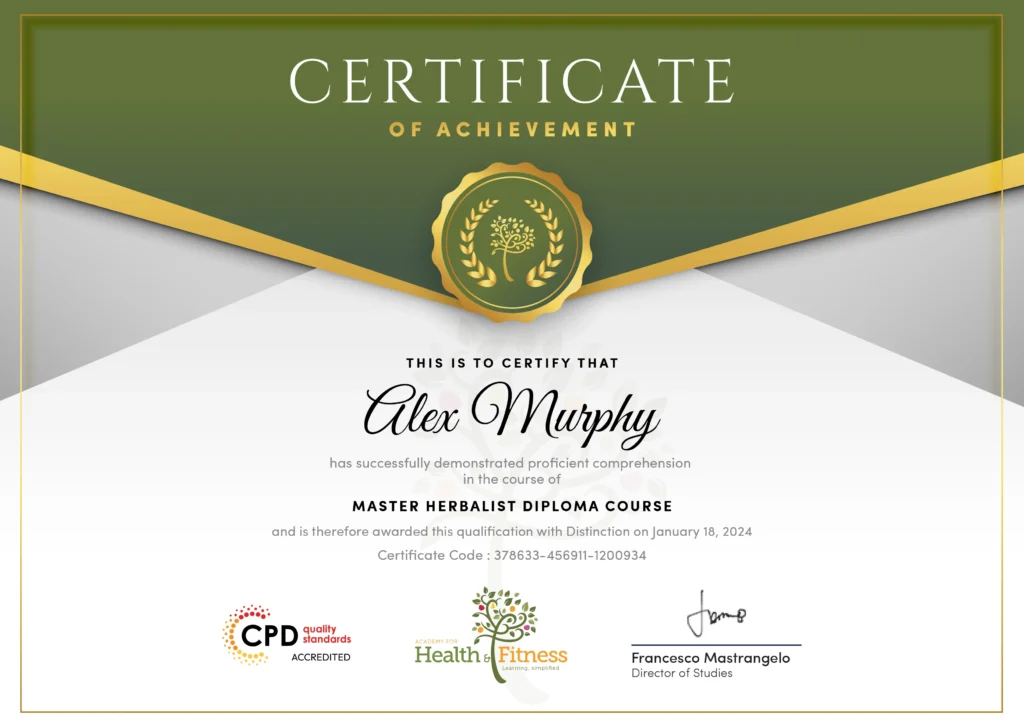
After successfully completing the course, you will qualify for a CPD Certificate as proof of your continued professional development and achievement. This certificate can enhance your professional profile and showcase your commitment to building relevant skills and knowledge. You can receive your digital certificate for only £10, or request a printed hard copy sent by post for just £29 or both for £39.
For assessing your learning, you have to complete an automated MCQ exam. It is required for the students to score at least 60% to pass the exam and fulfil the Quality Licence Scheme-endorsed certificate criteria. Learners can apply for the certificate after they clear the exam.
There are assignment questions provided at the end of the course. You are suggested to complete the questions to enrich your understanding of the course. You can complete this according to your preferred time. The expert tutor will provide feedback on your performance after assessing your assignment.
Knowledge of Child Sexual Exploitation can strengthen safeguarding awareness across education, childcare, social care and community support environments in the UK. While this course does not itself qualify you for regulated or specialist positions, it can complement relevant experience, qualifications and workplace training.
Teaching Assistant
Support pupils with learning and pastoral needs while recognising potential signs of vulnerability and safeguarding concerns.
Typical UK salaries range from £20,000–£27,000 per year.
Youth Support Worker
Support young people facing personal challenges and help identify risks associated with grooming and sexual exploitation.
Typical UK salaries range from £22,000–£30,000 per year.
Family Support Worker
Work with families to identify vulnerabilities, provide practical guidance and recognise potential safeguarding concerns.
Typical UK salaries range from £24,000–£34,000 per year.
Safeguarding Officer
Help organisations maintain safeguarding procedures, identify concerns and ensure appropriate reporting and referrals.
Typical UK salaries range from £25,000–£38,000 per year.
Residential Childcare Worker
Support children and young people in residential settings while recognising exploitation risks and following safeguarding procedures.
Typical UK salaries range from £23,000–£30,000 per year.
Community Support Worker
Assist vulnerable individuals within communities and help connect them with appropriate support services.
Typical UK salaries range from £22,000–£30,000 per year.
Outreach Support Worker
Engage with vulnerable young people in community settings, identify potential risks and provide appropriate support.
Typical UK salaries range from £22,000–£30,000 per year.
Early Help Practitioner
Support children and families experiencing difficulties by identifying concerns and connecting them with early intervention services.
Typical UK salaries range from £25,000–£35,000 per year.
Child Protection Support Worker
Assist safeguarding teams with child welfare concerns, support planning and appropriate referrals.
Typical UK salaries range from £24,000–£33,000 per year.
Education Welfare Officer
Work with schools, families and external agencies to address attendance, pupil welfare and safeguarding concerns.
Typical UK salaries range from £28,000–£38,000 per year.
Child Sexual Exploitation is a form of child sexual abuse where a child or young person is manipulated, pressured or coerced into sexual activity for another person’s benefit. It can happen online or in person.
You will learn about grooming, manipulation, perpetrators, vulnerability, warning signs, online exploitation, safeguarding responsibilities, responding to disclosures and supporting recovery.
This course is suitable for teachers, teaching assistants, youth workers, social care professionals, safeguarding staff, childcare practitioners, family support workers, parents and carers.
Possible warning signs include unexplained gifts or money, sudden behavioural changes, secretive online activity, missing episodes, unexplained injuries and relationships with controlling individuals.
Grooming involves building trust or an emotional connection with a child to manipulate or exploit them sexually. Perpetrators may use attention, gifts, threats or emotional pressure.
Yes. Online exploitation can involve inappropriate communication, manipulation, sexual threats, coercion and the misuse of digital platforms to target vulnerable children.
Yes. The course explores relevant legislation, safeguarding duties, professional responsibilities and appropriate procedures for identifying and reporting suspected exploitation.
Listen calmly, take the disclosure seriously, avoid judgement, do not promise complete confidentiality, record the information accurately and report the concern through the appropriate safeguarding procedures.
Yes. The course explores the impact of exploitation on children’s wellbeing and explains the importance of multi-agency support, recovery and long-term protection.
Yes. You will receive an instant certificate upon successful course completion to demonstrate your learning and awareness of Child Sexual Exploitation.
| Child Sexual Exploitation (CSE) | |||
| Module 01: Understanding Child Sexual Exploitation | 00:22:00 | ||
| Module 02: Grooming, Manipulation and Perpetrators | 00:22:00 | ||
| Module 03: Vulnerability, Risk Factors and Warning Signs | 00:22:00 | ||
| Module 04: Online Sexual Exploitation and Digital Risks | 00:22:00 | ||
| Module 05: Legislation, Safeguarding Duties and Professional Responsibilities | 00:22:00 | ||
| Module 06: Responding to Concerns and Disclosures | 00:22:00 | ||
| Module 07: Impact, Multi-Agency Support and Recovery | 00:22:00 | ||
| Module 08: Prevention, Intervention and Long-Term Protection | 00:22:00 | ||