Missed safeguarding concerns can leave children exposed and professionals unsure how to respond. Build essential UK child protection knowledge, recognise risks, and understand appropriate reporting routes safely. Enrol today.
4.5
(6 Reviews)
77 Students
Exclusive Deal! 94% Off, Today Only!
Sale Ends In
In education, recognising a safeguarding concern early can make a meaningful difference to a child’s safety and wellbeing. UK schools and education settings have clear responsibilities for identifying, recording and reporting concerns, yet uncertainty about the correct response can leave serious issues unaddressed.
This course explores the foundations of child protection and safeguarding, including child maltreatment, responding to abuse, information sharing and reporting procedures. You will examine radicalisation, extremism and the Prevent Duty, alongside the UK child protection system and good practice within education. The course also considers how allegations against staff should be handled responsibly and appropriately.
By completing the course, you will develop a stronger understanding of safeguarding responsibilities, professional responses and reporting pathways within UK education. Build the awareness needed to act appropriately when concerns arise, support safer educational environments, and avoid being unprepared when a child may need protection. This can help you contribute to a culture where concerns are recognised, shared, and addressed with care.
There are no formal prerequisites to enrol in this Child Protection In Education course. It is suitable for both beginners and individuals already working in care who want to develop their skills further.
The course is fully accessible online, allowing you to study from home using any internet-enabled device.
All you need is a willingness to learn, basic literacy skills, and to be over the age of 16.
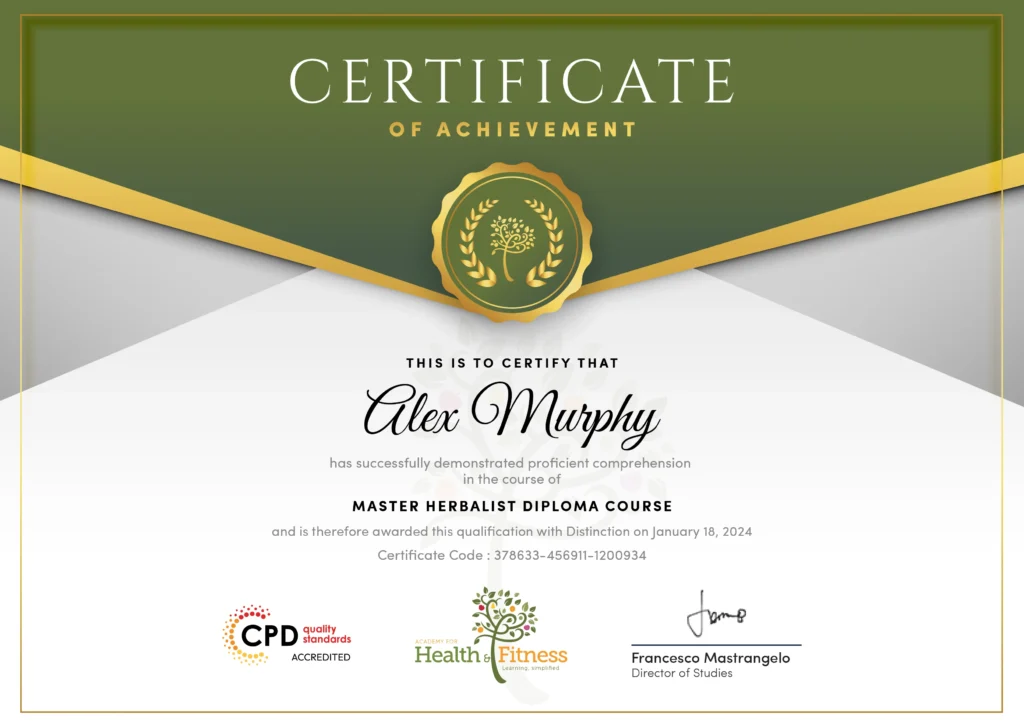
After successfully completing the course, you will qualify for a CPD Certificate as proof of your continued professional development and achievement. This certificate can enhance your professional profile and showcase your commitment to building relevant skills and knowledge. You can receive your digital certificate for only £10, or request a printed hard copy sent by post for just £29 or both for £39.
For assessing your learning, you have to complete an automated MCQ exam. It is required for the students to score at least 60% to pass the exam and fulfil the Quality Licence Scheme-endorsed certificate criteria. Learners can apply for the certificate after they clear the exam.
There are assignment questions provided at the end of the course. You are suggested to complete the questions to enrich your understanding of the course. You can complete this according to your preferred time. The expert tutor will provide feedback on your performance after assessing your assignment.
Child protection knowledge can strengthen safeguarding awareness across education, childcare and support environments in the UK. While this course does not itself qualify you for regulated roles, it can complement relevant experience, qualifications and workplace training.
Inclusivity means creating an environment where every child can participate, belong and receive appropriate support. It recognises differences in background, ability, communication, culture and individual needs.
Inclusive practice helps children participate meaningfully in activities and feel valued within their setting. It can also encourage positive relationships, confidence and respect for differences.
UK legislation establishes important expectations around equality, safeguarding and children’s welfare. Practitioners need to understand these responsibilities when developing safe and inclusive environments.
Children need to feel both included and protected within early years settings. Strong safeguarding practices help professionals identify concerns, respond appropriately and promote children’s welfare.
The Prevent Duty forms part of the UK’s counter-terrorism framework and places responsibilities on relevant organisations to help prevent people from being drawn into terrorism. Early years professionals should understand how these responsibilities relate to their safeguarding duties.
Barriers may relate to communication, disability, culture, family circumstances, attitudes or the way activities are organised. Practitioners can identify them by observing children’s experiences and reviewing how provision meets individual needs.
Â
Equality involves ensuring children receive fair opportunities and are not disadvantaged because of protected characteristics or personal circumstances. It supports respectful and accessible practice throughout the setting.
Staff can promote belonging by listening to children, valuing differences and providing activities that reflect diverse experiences. Consistent, respectful relationships can also help children feel secure and included.
Â
Practitioners are expected to follow their setting’s safeguarding procedures and act appropriately when concerns arise. They should know how to report concerns and understand their responsibilities for children’s safety and welfare.
Â
The course can strengthen knowledge relevant to inclusion, safeguarding and Prevent responsibilities across early years environments. Career requirements vary, so specific roles may also require recognised childcare qualifications, experience or additional training.
| Module 01: Child Protection and Safeguarding Basics | |||
| Child Protection and Safeguarding Basics | 00:26:00 | ||
| Module 02: Child Maltreatment | |||
| Child Maltreatment | 00:38:00 | ||
| Module 03: Radicalisation, Extremism and the Prevent Duty | |||
| Radicalisation, Extremism and the Prevent Duty | 00:26:00 | ||
| Module 04: Responding to Child Abuses | |||
| Responding to Child Abuses | 00:34:00 | ||
| Module 05: Information Sharing about Safeguarding Concerns | |||
| Information Sharing about Safeguarding Concerns | 00:30:00 | ||
| Module 06: Reporting Abuse | |||
| Reporting Abuse | 00:28:00 | ||
| Module 07: Child Protection System In the UK | |||
| Child Protection System In the UK | 00:27:00 | ||
| Module 08: Child Protection in Education System: Good Practice Guidelines | |||
| Child Protection in Education System: Good Practice Guidelines | 00:28:00 | ||
| Module 09: Dealing with Allegations Against Staff | |||
| Dealing with Allegations Against Staff | 00:33:00 | ||
| Module 01: Child Protection and Safeguarding Basics | |||
| Child Protection and Safeguarding Basics | 00:26:00 | ||
| Module 02: Child Maltreatment | |||
| Child Maltreatment | 00:38:00 | ||
| Module 03: Radicalisation, Extremism and the Prevent Duty | |||
| Radicalisation, Extremism and the Prevent Duty | 00:26:00 | ||
| Module 04: Responding to Child Abuses | |||
| Responding to Child Abuses | 00:34:00 | ||
| Module 05: Information Sharing about Safeguarding Concerns | |||
| Information Sharing about Safeguarding Concerns | 00:30:00 | ||
| Module 06: Reporting Abuse | |||
| Reporting Abuse | 00:28:00 | ||
| Module 07: Child Protection System In the UK | |||
| Child Protection System In the UK | 00:27:00 | ||
| Module 08: Child Protection in Education System: Good Practice Guidelines | |||
| Child Protection in Education System: Good Practice Guidelines | 00:28:00 | ||
| Module 09: Dealing with Allegations Against Staff | |||
| Dealing with Allegations Against Staff | 00:33:00 | ||