Millions of UK children face mental health challenges, yet many adults feel unprepared to support them. Gain essential knowledge of identification, care, and interventions to help children thrive. Enrol today.
4.5
(6 Reviews)
47 Students
Exclusive Deal! 94% Off, Today Only!
Sale Ends In
Every year, thousands of children in the UK experience mental health challenges that go unnoticed or unsupported. Parents, educators, and professionals often feel unsure about recognising signs or taking appropriate action, which can delay crucial support and affect a child’s long-term wellbeing. Without a clear understanding, early intervention opportunities can be missed, leaving children at risk of emotional, social, or academic difficulties.
This course provides a solid foundation in child mental health, exploring developmental psychology, risk and protective factors, and common childhood disorders. Learners will examine evidence-based identification methods, screening tools, and interventions that make a meaningful difference. The programme also covers how systems of care operate, including schools, healthcare, and social services, helping learners navigate multi-agency support structures effectively.
By the end of this course, you will confidently recognise mental health concerns, understand intervention strategies, and support children through complex challenges. Equip yourself with knowledge that makes a tangible impact—ensure you can act with confidence and awareness when it matters most.
There are no formal prerequisites to enrol in this Health and Social Care Level 4 course. It is suitable for both beginners and individuals already working in care who want to develop their skills further.
The course is fully accessible online, allowing you to study from home using any internet-enabled device.
All you need is a willingness to learn, basic literacy skills, and to be over the age of 16.
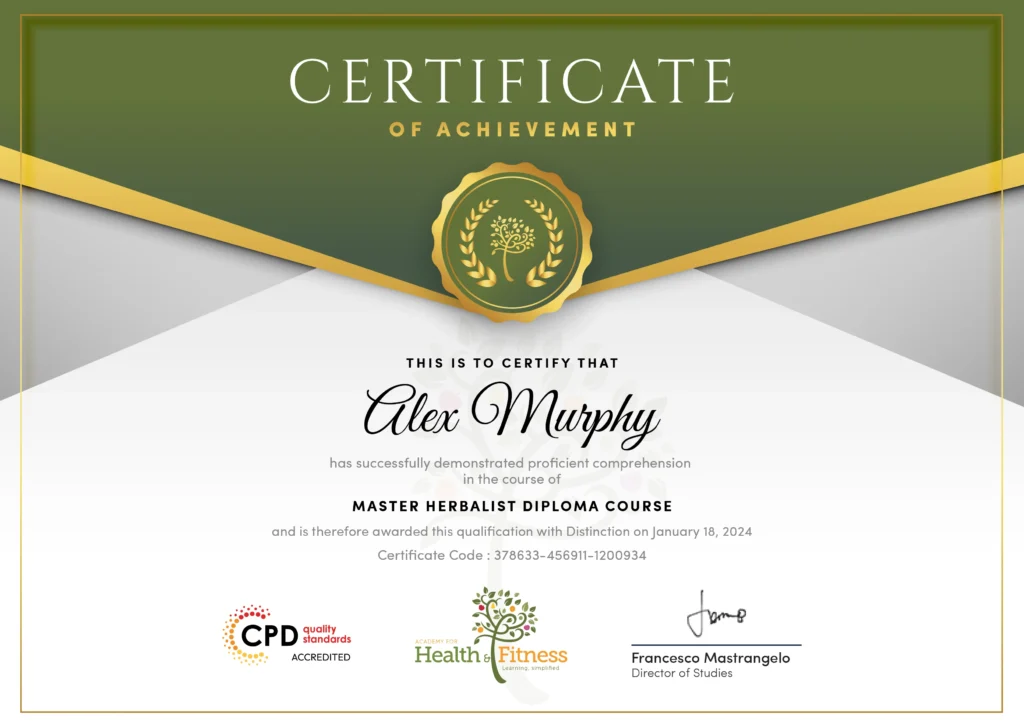
After successfully completing the course, you will qualify for a CPD Certificate as proof of your continued professional development and achievement. This certificate can enhance your professional profile and showcase your commitment to building relevant skills and knowledge. You can receive your digital certificate for only £10, or request a printed hard copy sent by post for just £29 or both for £39.
For assessing your learning, you have to complete an automated MCQ exam. It is required for the students to score at least 60% to pass the exam and fulfil the Quality Licence Scheme-endorsed certificate criteria. Learners can apply for the certificate after they clear the exam.
There are assignment questions provided at the end of the course. You are suggested to complete the questions to enrich your understanding of the course. You can complete this according to your preferred time. The expert tutor will provide feedback on your performance after assessing your assignment.
Child mental health knowledge is increasingly valued in the UK, helping professionals respond effectively to early signs of mental health issues. Graduates can apply this expertise across education, health, and social care sectors.
Child mental health refers to emotional, social, and psychological wellbeing. It shapes development, behaviour, and lifelong outcomes.
Early identification allows timely intervention, reducing long-term emotional and social difficulties. Prompt support can improve developmental outcomes significantly.
Disorders include anxiety, ADHD, depression, and behavioural challenges. Recognition helps ensure appropriate support is provided.
Protective factors, such as supportive families or safe schools, enhance resilience and reduce vulnerability to mental health issues.
Understanding developmental milestones helps professionals identify atypical patterns and provide suitable interventions at the right stage.
Screening detects early warning signs, allowing timely referral, intervention, and support planning for children in need.
Coordinated care between schools, health services, and social workers ensures holistic support and consistent interventions.
Evidence-based interventions rely on research-proven strategies shown to improve outcomes for children with mental health needs.
Practitioners must comply with UK safeguarding laws, confidentiality rules, and ethical standards in all interventions.
By providing guidance, resources, and collaboration with schools and healthcare providers, professionals help families navigate mental health challenges.
| Module 1: Foundations of Child Mental Health | |||
| Module 1: Foundations of Child Mental Health Part 1 | 00:07:00 | ||
| Module 1: Foundations of Child Mental Health Part 2 | 00:02:00 | ||
| Module 2: Developmental Psychology & Milestones | |||
| Module 2: Developmental Psychology & Milestones Part 1 | 00:07:00 | ||
| Module 2: Developmental Psychology & Milestones Part 2 | 00:03:00 | ||
| Module 3: Risk & Protective Factors | |||
| Module 3: Risk & Protective Factors Part 1 | 00:06:00 | ||
| Module 3: Risk & Protective Factors Part 2 | 00:02:00 | ||
| Module 4: Common Childhood Mental Disorders | |||
| Module 4: Common Childhood Mental Disorders Part 1 | 00:05:00 | ||
| Module 4: Common Childhood Mental Disorders Part 2 | 00:05:00 | ||
| Module 5: Identification & Screening | |||
| Module 5: Identification & Screening Part 1 | 00:06:00 | ||
| Module 5: Identification & Screening Part 2 | 00:02:00 | ||
| Module 6: Evidence-Based Interventions | |||
| Module 6: Evidence-Based Interventions Part 1 | 00:05:00 | ||
| Module 6: Evidence-Based Interventions Part 2 | 00:02:00 | ||
| Module 7: Systems of Care & Support | |||
| Module 7: Systems of Care & Support Part 1 | 00:05:00 | ||
| Module 7: Systems of Care & Support Part 2 | 00:06:00 | ||
| Module 1: Foundations of Child Mental Health | |||
| Module 1: Foundations of Child Mental Health Part 1 | 00:07:00 | ||
| Module 1: Foundations of Child Mental Health Part 2 | 00:02:00 | ||
| Module 2: Developmental Psychology & Milestones | |||
| Module 2: Developmental Psychology & Milestones Part 1 | 00:07:00 | ||
| Module 2: Developmental Psychology & Milestones Part 2 | 00:03:00 | ||
| Module 3: Risk & Protective Factors | |||
| Module 3: Risk & Protective Factors Part 1 | 00:06:00 | ||
| Module 3: Risk & Protective Factors Part 2 | 00:02:00 | ||
| Module 4: Common Childhood Mental Disorders | |||
| Module 4: Common Childhood Mental Disorders Part 1 | 00:05:00 | ||
| Module 4: Common Childhood Mental Disorders Part 2 | 00:05:00 | ||
| Module 5: Identification & Screening | |||
| Module 5: Identification & Screening Part 1 | 00:06:00 | ||
| Module 5: Identification & Screening Part 2 | 00:02:00 | ||
| Module 6: Evidence-Based Interventions | |||
| Module 6: Evidence-Based Interventions Part 1 | 00:05:00 | ||
| Module 6: Evidence-Based Interventions Part 2 | 00:02:00 | ||
| Module 7: Systems of Care & Support | |||
| Module 7: Systems of Care & Support Part 1 | 00:05:00 | ||
| Module 7: Systems of Care & Support Part 2 | 00:06:00 | ||