Child exploitation can remain hidden behind warning signs that are easy to miss. Build awareness of risks, safeguarding responsibilities and appropriate responses before a child’s vulnerability becomes a deeper concern. Enrol today.
4.5
(6 Reviews)
63 Students
Exclusive Deal! 94% Off, Today Only!
Sale Ends In
Child exploitation can take many forms, and its warning signs are not always obvious to families, professionals or communities. Missing those signs can mean opportunities to recognise vulnerability and provide appropriate safeguarding support are lost. This course provides a focused introduction to child exploitation within a UK context, helping learners develop greater awareness of the risks children may face.
You will explore key aspects of child exploitation, including different forms of exploitation, vulnerability factors, grooming, warning signs and the circumstances that can increase a child’s exposure to harm. The course also considers safeguarding responsibilities, appropriate responses, information sharing and the importance of multi-agency cooperation when concerns arise.
By completing this course, you will have a stronger foundation for recognising concerns and understanding appropriate safeguarding approaches. Develop your awareness now so you can respond more confidently when understanding matters most.
There are no formal prerequisites to enrol in this Child Exploitation course. It is suitable for both beginners and individuals already working in care who want to develop their skills further.
The course is fully accessible online, allowing you to study from home using any internet-enabled device.
All you need is a willingness to learn, basic literacy skills, and to be over the age of 16.
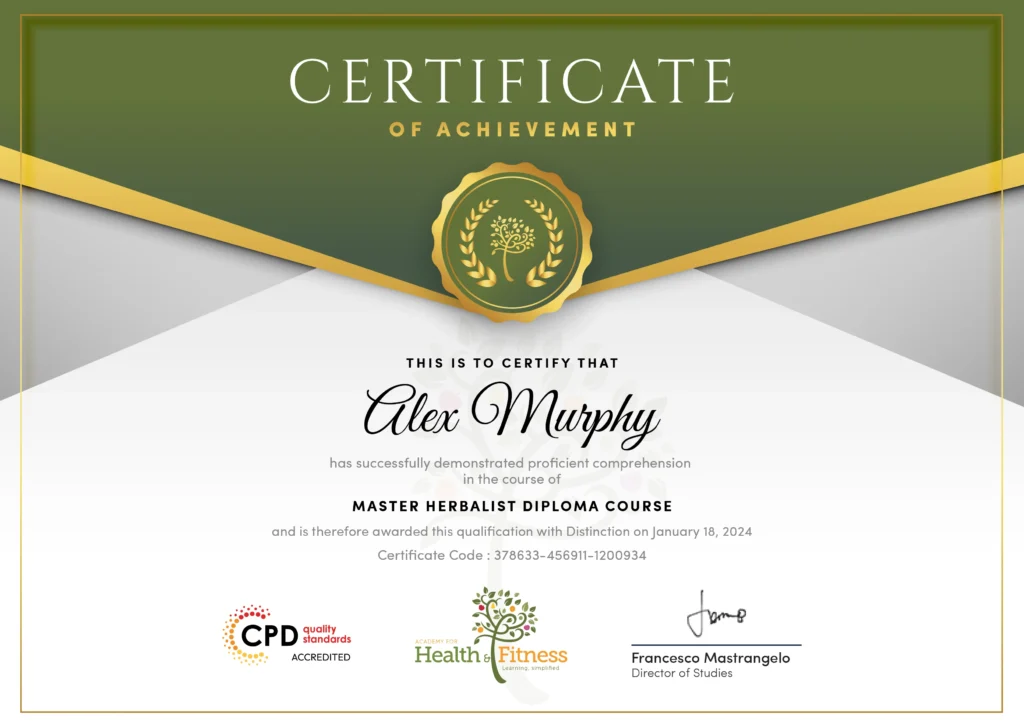
After successfully completing the course, you will qualify for a CPD Certificate as proof of your continued professional development and achievement. This certificate can enhance your professional profile and showcase your commitment to building relevant skills and knowledge. You can receive your digital certificate for only £10, or request a printed hard copy sent by post for just £29 or both for £39.
For assessing your learning, you have to complete an automated MCQ exam. It is required for the students to score at least 60% to pass the exam and fulfil the Quality Licence Scheme-endorsed certificate criteria. Learners can apply for the certificate after they clear the exam.
There are assignment questions provided at the end of the course. You are suggested to complete the questions to enrich your understanding of the course. You can complete this according to your preferred time. The expert tutor will provide feedback on your performance after assessing your assignment.
Understanding child exploitation can strengthen safeguarding awareness across education, social care, youth services and community settings in the UK. The course can support existing professional development or help learners explore roles where safeguarding knowledge is particularly relevant.
Child exploitation involves situations where children or young people are manipulated, coerced or taken advantage of for another person’s benefit. It can occur in different forms and environments.
Exploitation can affect a child’s safety, wellbeing, relationships, education and development. Understanding vulnerability can help professionals recognise concerns earlier.
Child exploitation can include sexual exploitation, criminal exploitation and other forms of coercive or abusive exploitation. Different forms may overlap or change over time.
Grooming can involve building trust or emotional dependence before exploitation occurs. Recognising concerning behaviours can support earlier safeguarding action.
Safeguarding aims to promote children’s welfare and protect them from harm. Professionals should understand their responsibilities and follow appropriate organisational procedures when concerns arise.
Warning signs may include behavioural changes, unexplained possessions, withdrawal, missing episodes or concerning relationships. No single indicator automatically confirms exploitation, so concerns should be considered carefully.
Concerns should be taken seriously and managed according to relevant safeguarding procedures. Appropriate professionals or safeguarding services should be informed rather than attempting to investigate independently.
Responsible information sharing can help professionals develop a clearer understanding of a child’s circumstances. It should follow relevant UK law, organisational policies and safeguarding guidance.
Schools, social care, health services, police and other organisations may need to work together around safeguarding concerns. Coordinated approaches can help ensure relevant information and expertise are considered.
Yes. The course provides foundational knowledge for learners who want to understand child exploitation and safeguarding considerations, including those entering relevant professional or voluntary settings.
| Child Exploitation | |||
| Child Exploitation | 00:41:00 | ||
| Child Exploitation | |||
| Child Exploitation | 00:41:00 | ||