Emergencies strike without warning, and care workers must act confidently. Understand CPR, airway management, and lifesaving response skills. Gain the confidence to save lives and protect patients. Enrol today.
4.5
(6 Reviews)
57 Students
Exclusive Deal! 94% Off, Today Only!
Sale Ends In
Life-threatening emergencies can occur at any moment in care settings, yet many staff feel unprepared to respond effectively. In the UK, delayed or improper interventions in emergencies risk patient safety, legal repercussions, and emotional trauma for both staff and service users.
This course equips care workers with essential skills in basic life support, including CPR, airway management, and the use of AEDs. You will explore emergency response techniques for different populations, from children to older adults, and practise applying these skills in realistic care-sector scenarios. Legal responsibilities, policy adherence, and documentation requirements are also covered, ensuring you work safely within UK care governance frameworks.
By completing this course, you will gain the confidence and competence to act decisively during emergencies. Be prepared, protect those in your care, and ensure you never feel unready in critical situations. Enrol now to make lifesaving skills part of your professional toolkit.
There are no formal prerequisites to enrol in this Health and Social Care Level 4 course. It is suitable for both beginners and individuals already working in care who want to develop their skills further.
The course is fully accessible online, allowing you to study from home using any internet-enabled device.
All you need is a willingness to learn, basic literacy skills, and to be over the age of 16.
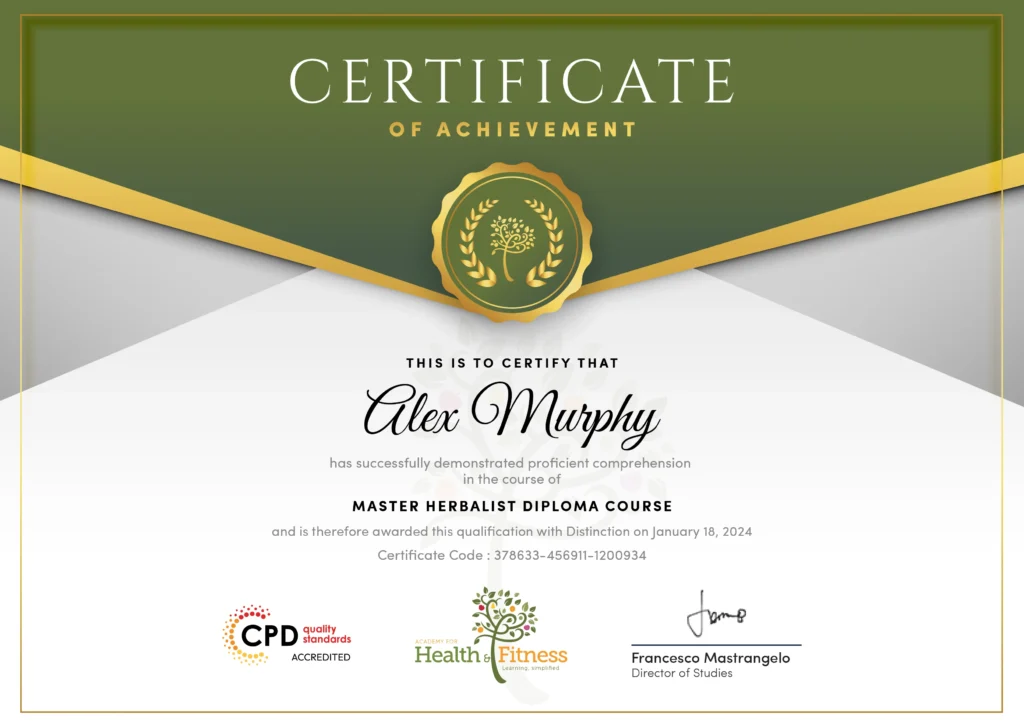
After successfully completing the course, you will qualify for a CPD Certificate as proof of your continued professional development and achievement. This certificate can enhance your professional profile and showcase your commitment to building relevant skills and knowledge. You can receive your digital certificate for only £10, or request a printed hard copy sent by post for just £29 or both for £39.
For assessing your learning, you have to complete an automated MCQ exam. It is required for the students to score at least 60% to pass the exam and fulfil the Quality Licence Scheme-endorsed certificate criteria. Learners can apply for the certificate after they clear the exam.
There are assignment questions provided at the end of the course. You are suggested to complete the questions to enrich your understanding of the course. You can complete this according to your preferred time. The expert tutor will provide feedback on your performance after assessing your assignment.
Care workers trained in life support are highly valued across health and social care sectors. These skills improve employability and demonstrate commitment to patient safety.
It involves lifesaving skills such as CPR, airway management, and emergency response procedures used in care settings. These techniques help stabilise patients until professional help arrives.
CPR is adapted for adults, children, and infants, with different compression depths and techniques for each population. Proper training ensures safe, effective application.
Automated external defibrillators significantly improve survival in cardiac arrests. Care workers must know how to use AEDs quickly and safely.
The primary survey assesses airway, breathing, and circulation to identify life-threatening conditions. It guides immediate lifesaving interventions.
Care workers are legally responsible to act within policy frameworks and duty of care principles, ensuring patient safety and legal compliance.
Accurate records of incidents, interventions, and outcomes must be maintained. Documentation supports governance, accountability, and future improvements.
Scenarios differ by setting, population, and medical conditions. Training prepares staff to respond confidently to each unique situation.
Effective collaboration ensures timely interventions, reduces errors, and improves patient outcomes in high-pressure situations.
Reflection and evaluation of interventions enhance skills, confidence, and patient safety for future incidents.
Care workers, support staff, and healthcare trainees seeking practical, UK-focused emergency response skills.
| Introduction | |||
| Introduction | 00:05:00 | ||
| Module 1: Foundations of Basic Life Support in Care | |||
| Module 1: Foundations of Basic Life Support in Care | 00:05:00 | ||
| Module 2: Primary Survey, Airway and Breathing | |||
| Module 2: Primary Survey, Airway and Breathing Part 1 | 00:03:00 | ||
| Module 2: Primary Survey, Airway and Breathing Part 2 | 00:02:00 | ||
| Module 3: CPR Quality, AED Use and Choking Relief | |||
| Module 3: CPR Quality, AED Use and Choking Relief Part 1 | 00:04:00 | ||
| Module 3: CPR Quality, AED Use and Choking Relief Part 2 | 00:05:00 | ||
| Module 4: Care-Sector Scenarios and Special Populations | |||
| Module 4: Care-Sector Scenarios and Special Populations Part 1 | 00:06:00 | ||
| Module 4: Care-Sector Scenarios and Special Populations Part 2 | 00:04:00 | ||
| Module 5: UK Law, Policy and Care Governance | |||
| Module 5: UK Law, Policy and Care Governance Part 1 | 00:05:00 | ||
| Module 5: UK Law, Policy and Care Governance Part 2 | 00:05:00 | ||
| Module 6: Teamworking, Documentation and Improvement | |||
| Module 6: Teamworking, Documentation and Improvement Part 1 | 00:05:00 | ||
| Conclusion | |||
| Conclusion | 00:04:00 | ||
| Introduction | |||
| Introduction | 00:05:00 | ||
| Module 1: Foundations of Basic Life Support in Care | |||
| Module 1: Foundations of Basic Life Support in Care | 00:05:00 | ||
| Module 2: Primary Survey, Airway and Breathing | |||
| Module 2: Primary Survey, Airway and Breathing Part 1 | 00:03:00 | ||
| Module 2: Primary Survey, Airway and Breathing Part 2 | 00:02:00 | ||
| Module 3: CPR Quality, AED Use and Choking Relief | |||
| Module 3: CPR Quality, AED Use and Choking Relief Part 1 | 00:04:00 | ||
| Module 3: CPR Quality, AED Use and Choking Relief Part 2 | 00:05:00 | ||
| Module 4: Care-Sector Scenarios and Special Populations | |||
| Module 4: Care-Sector Scenarios and Special Populations Part 1 | 00:06:00 | ||
| Module 4: Care-Sector Scenarios and Special Populations Part 2 | 00:04:00 | ||
| Module 5: UK Law, Policy and Care Governance | |||
| Module 5: UK Law, Policy and Care Governance Part 1 | 00:05:00 | ||
| Module 5: UK Law, Policy and Care Governance Part 2 | 00:05:00 | ||
| Module 6: Teamworking, Documentation and Improvement | |||
| Module 6: Teamworking, Documentation and Improvement Part 1 | 00:05:00 | ||
| Conclusion | |||
| Conclusion | 00:04:00 | ||