Cardiac arrest can occur without warning, where immediate response determines survival. Enrol now to strengthen life-saving awareness before hesitation or uncertainty delays critical intervention and compromises patient outcomes.
4.5 Star Rating
(6 Reviews)
148 Students
Exclusive Deal! 94% Off, Today Only!
Sale Ends In
Each year in the UK, over 30,000 out-of-hospital cardiac arrests occur, with survival rates significantly increasing when immediate Basic Life Support (BLS) and defibrillation are provided. Research by Resuscitation Council UK shows that early CPR can double or even triple survival chances, yet many emergencies receive delayed intervention due to lack of confidence or training. These statistics highlight the critical importance of timely, informed response in life-threatening situations.
This Level 2 Basic Life Support Training course develops essential knowledge of emergency response procedures, including adult and paediatric resuscitation, safe AED operation, and structured casualty assessment. You will explore recognised protocols, emergency equipment usage, and response strategies aligned with UK clinical and workplace guidelines. The programme strengthens awareness, preparedness, and professional responsibility across healthcare and occupational environments.
By completing this course, you enhance your ability to respond decisively during emergencies. Strengthen life-saving awareness now before hesitation or uncertainty limits effective intervention when every second matters.
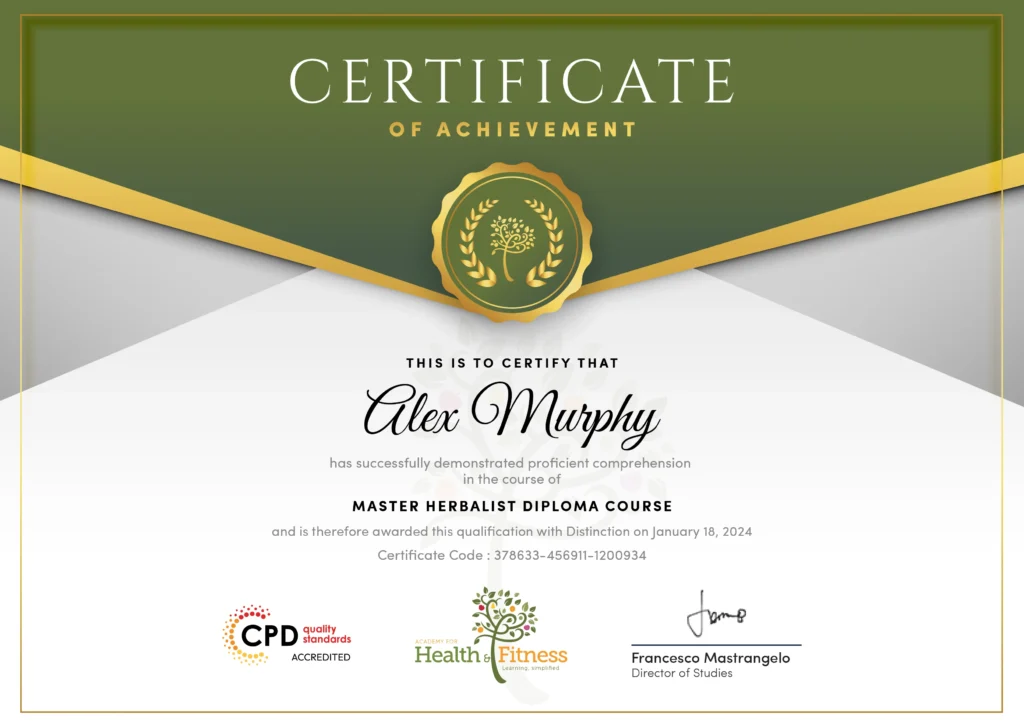
After successfully completing the course, you will qualify for a CPD Certificate as proof of your continued professional development and achievement. This certificate can enhance your professional profile and showcase your commitment to building relevant skills and knowledge. You can receive your digital certificate for only £10, or request a printed hard copy sent by post for just £29 or both for £39.
For assessing your learning, you have to complete an automated MCQ exam. It is required for the students to score at least 60% to pass the exam. Learners can apply for the certificate after they clear the exam.
There are assignment questions provided at the end of the course. You are suggested to complete the questions to enrich your understanding of the course. You can complete this according to your preferred time. The expert tutor will provide feedback on your performance after assessing your assignment.
There are no prerequisites and you may use any internet-enabled device to study at your own speed, it is adaptable and available to students of all skill levels.
Basic Life Support certification is highly valued across UK healthcare, education, fitness, and workplace safety environments. Employers prioritise individuals who demonstrate competence in emergency response, resuscitation awareness, and patient safety preparedness.
Healthcare Assistant
Supports clinical teams in providing patient care and emergency assistance. Applies Basic Life Support awareness within healthcare settings. Average salary £22,000–£30,000.
First Aider
Provides immediate assistance during medical emergencies in workplaces or public settings. Supports casualty care until professional medical help arrives. Average salary £22,000–£32,000.
Support Worker
Assists individuals in residential or community care environments. Applies emergency response awareness when supporting vulnerable individuals. Average salary £21,000–£28,000.
Teaching Assistant
Supports student wellbeing and emergency response preparedness in schools. Applies BLS awareness in educational environments. Average salary £20,000–£26,000.
Fitness Instructor
Supervises physical activities and ensures participant safety during training sessions. Responds effectively to emergencies using BLS knowledge. Average salary £22,000–£35,000.
Care Home Assistant
Provides daily care and emergency support within residential care facilities. Promotes safety and wellbeing of residents. Average salary £22,000–£29,000.
Community Health Worker
Supports public health initiatives and emergency preparedness within communities. Applies BLS awareness during medical incidents. Average salary £23,000–£32,000.
Emergency Response Assistant
Supports emergency teams with initial casualty care and scene management. Maintains preparedness for critical incidents. Average salary £24,000–£34,000.
School Welfare Officer
Oversees student health and responds to medical emergencies within school settings. Ensures safety and wellbeing of learners. Average salary £23,000–£33,000.
Workplace Safety Officer
Promotes safety culture and emergency preparedness across organisational environments. Ensures compliance with health and safety standards. Average salary £30,000–£45,000.
Basic Life Support training provides essential knowledge of emergency response procedures, including CPR and AED usage. It focuses on preserving life during critical incidents. The training supports immediate and effective intervention before professional medical assistance arrives.
Cardiac arrest and medical emergencies can occur unexpectedly in workplaces and public settings. Immediate response significantly improves survival outcomes. BLS training ensures individuals are prepared to act confidently and responsibly.
The course covers foundational BLS principles, adult and paediatric resuscitation, AED operation and emergency response techniques. It also addresses special situations and equipment usage. Structured learning reinforces safe and effective intervention.
An AED delivers a controlled electric shock to restore normal heart rhythm during cardiac arrest. Early defibrillation significantly increases survival chances. Proper understanding ensures safe and effective use.
Yes, the training includes guidance on responding to infants and children during medical emergencies. Paediatric resuscitation requires specific techniques and considerations. Structured awareness supports safe intervention.
Healthcare professionals, carers, first aiders, teachers and workplace safety representatives benefit most from this training. It is also suitable for individuals responsible for public safety. BLS awareness supports preparedness across sectors.
Yes, the course reflects principles consistent with Resuscitation Council UK and workplace safety standards. Understanding these guidelines strengthens compliance and emergency readiness. It supports responsible and lawful practice.
Reinforcing life-saving procedures strengthens clarity and reduces hesitation during emergencies. Confidence supports calm and effective response under pressure. Prepared individuals contribute to safer environments.
No, BLS training provides foundational life-saving awareness rather than advanced clinical qualifications. Complex medical interventions must be delivered by trained healthcare professionals. The course supports initial emergency response.
Yes, BLS knowledge enhances professional credibility across healthcare, education and safety roles. Employers value individuals prepared to respond to emergencies. It supports career development and workplace responsibility.
| Introduction | |||
| Introduction | 00:01:00 | ||
| Foundations of Basic Life Support | |||
| 1.1. Foundations of Basic Life Support | 00:00:51 | ||
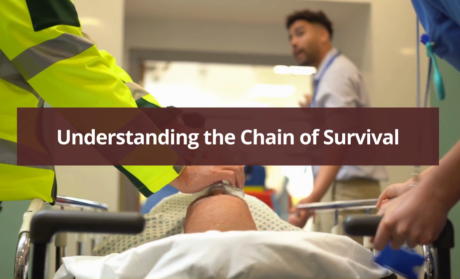
| 1.1.1. Understanding the Chain of Survival | 00:01:00 | ||
| 1.1.2. Legal and Ethical Responsibilities in BLS | 00:01:00 | ||
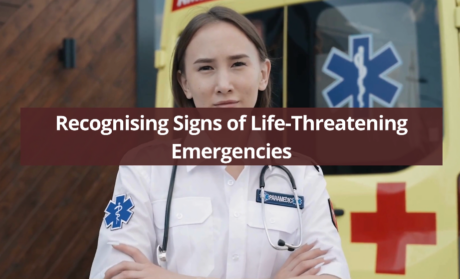
| 1.1.3. Recognising Signs of Life-Threatening Emergencies | 00:01:00 | ||
| 1.1.4. Effective Communication and Scene Management | 00:01:00 | ||
| Adult and Paediatric Resuscitation | |||
| 2.1. Adult and Paediatric Resuscitation | 00:00:58 | ||
| 2.1.1. Updated CPR Guidelines for Adults | 00:01:00 | ||
| 2.1.2. CPR Variations for Children and Infants | 00:01:00 | ||
| 2.1.3. Recovery Position Techniques | 00:01:00 | ||
| 2.1.4. Managing Breathing Emergencies | 00:01:00 | ||
| Use of AED and Emergency Equipment | |||
| 3.1. Use of AED and Emergency Equipment | 00:55:00 | ||
| 3.1.1. Preparing and Operating an AED | 00:01:00 | ||
| 3.1.2. Troubleshooting Common AED Issues | 00:01:00 | ||
| 3.1.3. Safe Use of Barrier Devices | 00:01:00 | ||
| 3.1.4. Maintenance and Readiness of Equipment | 00:01:00 | ||
| Responding to Special Situations | |||
| 4.1. Responding to Special Situations | 00:00:48 | ||
| 4.1.1. Choking Response for All Age Groups | 00:01:00 | ||
| 4.1.2. Dealing with Drowning Incidents | 00:01:00 | ||
| 4.1.3. Assisting During Seizures | 00:01:00 | ||
| 4.1.4. Recognising and Responding to Shock | 00:01:00 | ||
| Conclusion | |||
| 5.1 Conclusion | 00:01:00 | ||
| Introduction | |||
| Introduction | 00:01:00 | ||
| Foundations of Basic Life Support | |||
| 1.1. Foundations of Basic Life Support | 00:00:51 | ||
| 1.1.1. Understanding the Chain of Survival | 00:01:00 | ||
| 1.1.2. Legal and Ethical Responsibilities in BLS | 00:01:00 | ||
| 1.1.3. Recognising Signs of Life-Threatening Emergencies | 00:01:00 | ||
| 1.1.4. Effective Communication and Scene Management | 00:01:00 | ||
| Adult and Paediatric Resuscitation | |||
| 2.1. Adult and Paediatric Resuscitation | 00:00:58 | ||
| 2.1.1. Updated CPR Guidelines for Adults | 00:01:00 | ||
| 2.1.2. CPR Variations for Children and Infants | 00:01:00 | ||
| 2.1.3. Recovery Position Techniques | 00:01:00 | ||
| 2.1.4. Managing Breathing Emergencies | 00:01:00 | ||
| Use of AED and Emergency Equipment | |||
| 3.1. Use of AED and Emergency Equipment | 00:55:00 | ||
| 3.1.1. Preparing and Operating an AED | 00:01:00 | ||
| 3.1.2. Troubleshooting Common AED Issues | 00:01:00 | ||
| 3.1.3. Safe Use of Barrier Devices | 00:01:00 | ||
| 3.1.4. Maintenance and Readiness of Equipment | 00:01:00 | ||
| Responding to Special Situations | |||
| 4.1. Responding to Special Situations | 00:00:48 | ||
| 4.1.1. Choking Response for All Age Groups | 00:01:00 | ||
| 4.1.2. Dealing with Drowning Incidents | 00:01:00 | ||
| 4.1.3. Assisting During Seizures | 00:01:00 | ||
| 4.1.4. Recognising and Responding to Shock | 00:01:00 | ||
| Conclusion | |||
| 5.1 Conclusion | 00:01:00 | ||