Many teachers and SEN staff recognise the challenges autism can bring but may lack the confidence to provide effective support. Build your understanding of autism, inclusion, and learner needs before gaps in support create barriers. Enrol today
4.5
(6 Reviews)
142 Students
Exclusive Deal! 94% Off, Today Only!
Sale Ends In
Every classroom includes learners with different communication styles, sensory needs, and ways of experiencing the world. Without a clear understanding of autism, teachers and SEN professionals may struggle to create truly supportive learning environments or recognise when additional strategies are needed.
This course explores autism, neurodiversity, mental health, wellbeing, UK policies, and ethical responsibilities within education settings. You will learn about communication approaches, behaviour support, inclusive curriculum design, and the importance of collaboration across schools and support networks.
By completing this Autism Awareness & Support for Teachers & SEN Staff course, you will develop greater confidence in supporting autistic learners and contributing to inclusive education practices. Strengthen your professional knowledge and ensure you are prepared to meet diverse learner needs effectively.
There are no formal prerequisites to enrol in this Health and Social Care Level 4 course. It is suitable for both beginners and individuals already working in care who want to develop their skills further.
The course is fully accessible online, allowing you to study from home using any internet-enabled device.
All you need is a willingness to learn, basic literacy skills, and to be over the age of 16.
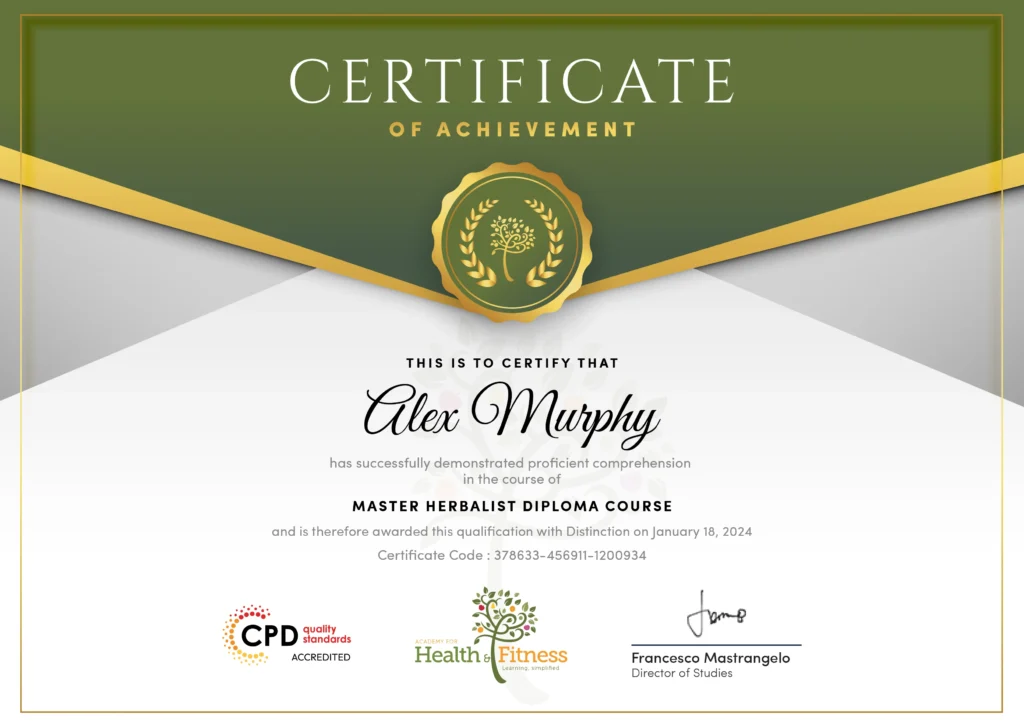
After successfully completing the course, you will qualify for a CPD Certificate as proof of your continued professional development and achievement. This certificate can enhance your professional profile and showcase your commitment to building relevant skills and knowledge. You can receive your digital certificate for only £10, or request a printed hard copy sent by post for just £29 or both for £39.
For assessing your learning, you have to complete an automated MCQ exam. It is required for the students to score at least 60% to pass the exam and fulfil the Quality Licence Scheme-endorsed certificate criteria. Learners can apply for the certificate after they clear the exam.
There are assignment questions provided at the end of the course. You are suggested to complete the questions to enrich your understanding of the course. You can complete this according to your preferred time. The expert tutor will provide feedback on your performance after assessing your assignment.
Understanding autism support strategies can strengthen careers across UK education and inclusion services. These skills are valuable for professionals working directly with learners who require accessible, supportive, and personalised educational approaches.
Autism awareness in education involves understanding autistic learners’ needs, communication styles, and learning differences. It helps professionals create supportive and inclusive classroom environments.
Â
Autism can influence communication, social interaction, sensory processing, and learning preferences. Understanding these differences allows teachers to provide more effective support.
Neurodiversity recognises that learners experience and process information in different ways. Schools that embrace it can create more inclusive opportunities for all students.
Â
Â
SEN staff help identify learner needs, develop support strategies, and promote inclusive educational practices. Their role is essential in improving learning experiences.
UK legislation requires educational settings to provide reasonable adjustments and support equality for autistic learners. Understanding these responsibilities helps professionals meet legal expectations.
Autism-friendly communication helps reduce misunderstandings and supports positive relationships with learners. It encourages respectful and effective interactions.
Positive behaviour support focuses on understanding individual needs and reducing barriers to learning. It encourages confidence, engagement, and emotional wellbeing.
Inclusive curriculum design adapts teaching approaches to support different learning needs. It helps autistic learners access education more effectively.
Â
Whole-school inclusion ensures that teachers, staff, and leadership work together to support autistic learners. It creates consistency across the educational environment.
Â
Teachers can develop skills in communication, classroom adaptation, learner support, and inclusive practice. These skills improve confidence when supporting autistic students.
| Module 1: Introduction to Autism and Neurodiversity | |||
| Introduction to Autism and Neurodiversity | 00:12:00 | ||
| Module 2: Autism, Mental Health, and Wellbeing | |||
| Autism, Mental Health, and Wellbeing | 00:11:00 | ||
| Module 3: UK Policy, Law, and Ethical Responsibilities | |||
| UK Policy, Law, and Ethical Responsibilities | 00:11:00 | ||
| Module 4: Communication, Social Interaction, and Behaviour | |||
| Communication, Social Interaction, and Behaviour | 00:12:00 | ||
| Module 5: Inclusive Learning Environments and Curriculum Design | |||
| Inclusive Learning Environments and Curriculum Design | 00:10:00 | ||
| Module 6: Collaboration and Whole-School Inclusion | |||
| Collaboration and Whole-School Inclusion | 00:13:00 | ||
| Module 1: Introduction to Autism and Neurodiversity | |||
| Introduction to Autism and Neurodiversity | 00:12:00 | ||
| Module 2: Autism, Mental Health, and Wellbeing | |||
| Autism, Mental Health, and Wellbeing | 00:11:00 | ||
| Module 3: UK Policy, Law, and Ethical Responsibilities | |||
| UK Policy, Law, and Ethical Responsibilities | 00:11:00 | ||
| Module 4: Communication, Social Interaction, and Behaviour | |||
| Communication, Social Interaction, and Behaviour | 00:12:00 | ||
| Module 5: Inclusive Learning Environments and Curriculum Design | |||
| Inclusive Learning Environments and Curriculum Design | 00:10:00 | ||
| Module 6: Collaboration and Whole-School Inclusion | |||
| Collaboration and Whole-School Inclusion | 00:13:00 | ||