
Assistant Accountant
UK businesses process millions in transactions daily, yet reporting errors and compliance gaps remain common. Enrol now to strengthen structured accounting foundations before overlooked financial inaccuracies affect career credibility.
4.5
(6 Reviews) 77 Students


Assistant Accountant
Exclusive Deal! 94% Off, Today Only!
Sale Ends In

 TAKE All courses for
£99
TAKE All courses for
£99 


This course includes:
-
 Access1 Year Access
 -
 Skill Level
 -
 Duration1 hour, 48 minutes
 -
 Students77 Students
- Original price was: £425.£25Current price is: £25. ex VAT
- 1 year
- Advanced
- Number of Units6
- Number of Quizzes0
- 1 hour, 48 minutes Gift this course
 14-Day Money-Back Guarantee
Course Overview
Over 5.5 million private sector businesses operate in the UK, each requiring accurate bookkeeping, compliant reporting, and reliable financial oversight. Even minor accounting errors can result in tax penalties, audit concerns, or reputational damage. As regulatory standards and digital accounting systems continue to evolve, employers increasingly expect assistant accountants to demonstrate structured technical knowledge alongside ethical awareness.
This Assistant Accountant course develops foundational expertise in accounting principles, bookkeeping processes, financial reporting standards, and accounting software proficiency. Learners explore transaction recording, ledger management, reporting frameworks, and professional ethics aligned with UK financial regulations. The programme also strengthens practical competence in digital accounting tools widely used across commercial and public sectors.
By completing this course, learners enhance accuracy, compliance readiness, and operational confidence before financial miscalculations or reporting inconsistencies limit professional progression within accounting environments.
Learning Outcomes
- Identify common bookkeeping errors and corrective actions.
- Prepare basic financial reports following reporting standards.
- Interpret financial statements supporting organisational analysis.
- Apply accounting software tools for efficient record management.
- Recognise ethical responsibilities in financial reporting practices.
- Maintain accurate ledger and reconciliation processes consistently.
- Understand regulatory compliance within UK accounting frameworks.
- Promote professional development within accounting career pathways.
- Record transactions accurately using structured bookkeeping methods.
Why People Love and Enrol in this Training?
- CPD Accredited Course
- Unlimited access for 12 months – learn at your own pace ️
- Earn instant certificate upon course completion
- Get a free student ID card to showcase
- Flexible study – no deadlines
- Transparent pricing – no hidden fees
- Dedicated tutor support on weekdays
- Fast assessments & instant results
Who is this Course For?
- Aspiring accounting professionals
- Finance administration staff
- Business support officers
- Career changers into finance
- Small business owners
- Accounts department assistants
CPD Certification
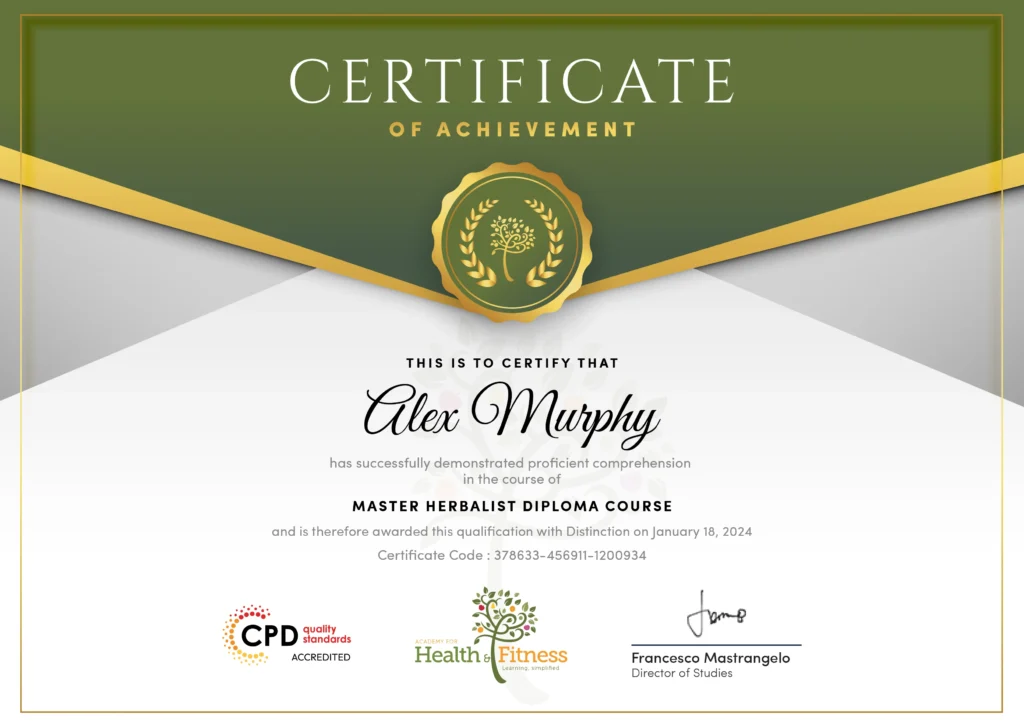
After successfully completing the course, you will qualify for a CPD Certificate as proof of your continued professional development and achievement. This certificate can enhance your professional profile and showcase your commitment to building relevant skills and knowledge. You can receive your digital certificate for only £10, or request a printed hard copy sent by post for just £29 or both for £39.
Assessment
For assessing your learning, you have to complete an automated MCQ exam. It is required for the students to score at least 60% to pass the exam. Learners can apply for the certificate after they clear the exam.
There are assignment questions provided at the end of the course. You are suggested to complete the questions to enrich your understanding of the course. You can complete this according to your preferred time. The expert tutor will provide feedback on your performance after assessing your assignment.
Prerequisites
There are no prerequisites, and you may use any internet-enabled device to study at your own speed, it is adaptable and available to students of all skill levels.
Job Opportunities
Accounting support roles remain essential across UK businesses, public sector organisations, and financial services firms. Employers prioritise individuals who demonstrate structured bookkeeping competence, financial reporting awareness, and ethical accountability aligned with HMRC and regulatory expectations.
- Assistant Accountant
Supports senior accountants by preparing financial records, reconciling accounts, and assisting with reporting deadlines within structured finance departments. Ensures compliance with internal controls and statutory obligations. Average salary £25,000 to £35,000. - Accounts Assistant
Manages purchase ledgers, sales invoices, and payment processing while maintaining accurate documentation systems. Supports month-end reporting and financial accuracy. Average salary £22,000 to £30,000. - Bookkeeper
Maintains transaction records, reconciles accounts, and prepares financial summaries for small businesses or accounting firms. Ensures accurate tax preparation and reporting readiness. Average salary £23,000 to £35,000. - Payroll Administrator
Processes employee salaries, tax deductions, and pension contributions in line with UK payroll regulations. Ensures compliance with HMRC reporting requirements. Average salary £24,000 to £34,000. - Finance Administrator
Coordinates financial documentation, expense tracking, and budget monitoring within commercial organisations. Supports audit preparation and compliance checks. Average salary £23,000 to £32,000. - Credit Control Officer
Monitors outstanding payments, manages debtor accounts, and supports structured cash flow management processes. Strengthens financial stability and client communication. Average salary £25,000 to £35,000. - Accounts Payable Clerk
Handles supplier invoices, payment approvals, and reconciliation tasks within finance teams. Maintains accurate transaction and reporting systems. Average salary £22,000 to £30,000. - Accounts Receivable Clerk
Manages incoming payments and invoice tracking while maintaining compliance documentation. Supports revenue management and financial accuracy. Average salary £22,000 to £30,000. - Junior Financial Analyst
Assists in preparing financial summaries and analysing performance data within business environments. Supports strategic financial decision-making processes. Average salary £28,000 to £40,000. - Tax Assistant (Entry-Level Pathway)
Supports the preparation of tax returns and compliance documentation under supervision within accounting firms. Strengthens understanding of UK tax frameworks and reporting standards. Average salary £25,000 to £40,000.
Course Curriculum
| Module 1: Introduction to Accounting | |||
| Module 1: Introduction to Accounting | 00:18:00 | ||
| Module 2: Bookkeeping Essentials | |||
| Module 2: Bookkeeping Essentials | 00:18:00 | ||
| Module 3: Financial Reporting Fundamentals | |||
| Module 3: Financial Reporting Fundamentals | 00:22:00 | ||
| Module 4: Accounting Software Proficiency | |||
| Module 4: Accounting Software Proficiency | 00:12:00 | ||
| Module 5: Professional Ethics and Development | |||
| Module 5: Professional Ethics and Development | 00:19:00 | ||
| Module 5: Professional Ethics and Development | |||
| Module 5: Professional Ethics and Development | 00:19:00 | ||