Strong teams rarely happen by accident. Learn how trust, accountability, leadership and communication shape productive workplaces, while recognising the risks of unresolved performance issues. Build essential teamwork awareness and enrol today.
4.5
(6 Reviews)
73 Students
Exclusive Deal! 94% Off, Today Only!
Sale Ends In
A team can have talented individuals and still struggle when communication, trust or accountability breaks down. In UK workplaces, effective teamwork supports productivity, employee relationships and consistent performance, while poor collaboration can create misunderstandings, duplicated effort and unresolved problems. Understanding how teams function can help you contribute more confidently and constructively.
This course introduces the foundations of effective teamwork, from understanding what makes a team to developing stronger working relationships. You will explore the differences between leadership and management, examine approaches to leading and managing teams, and learn how trust and accountability influence performance. The course also considers how performance issues can be identified and how appropriate support systems can help team members overcome workplace challenges.
By the end, you will have a clearer understanding of effective team dynamics and the responsibilities involved in supporting others. Strengthen your workplace contribution before ineffective teamwork limits progress. Enrol today and develop practical knowledge for collaborative working.
There are no formal prerequisites to enrol in this An Introduction to Effective Teamwork course. It is suitable for both beginners and individuals already working in care who want to develop their skills further.
The course is fully accessible online, allowing you to study from home using any internet-enabled device.
All you need is a willingness to learn, basic literacy skills, and to be over the age of 16.
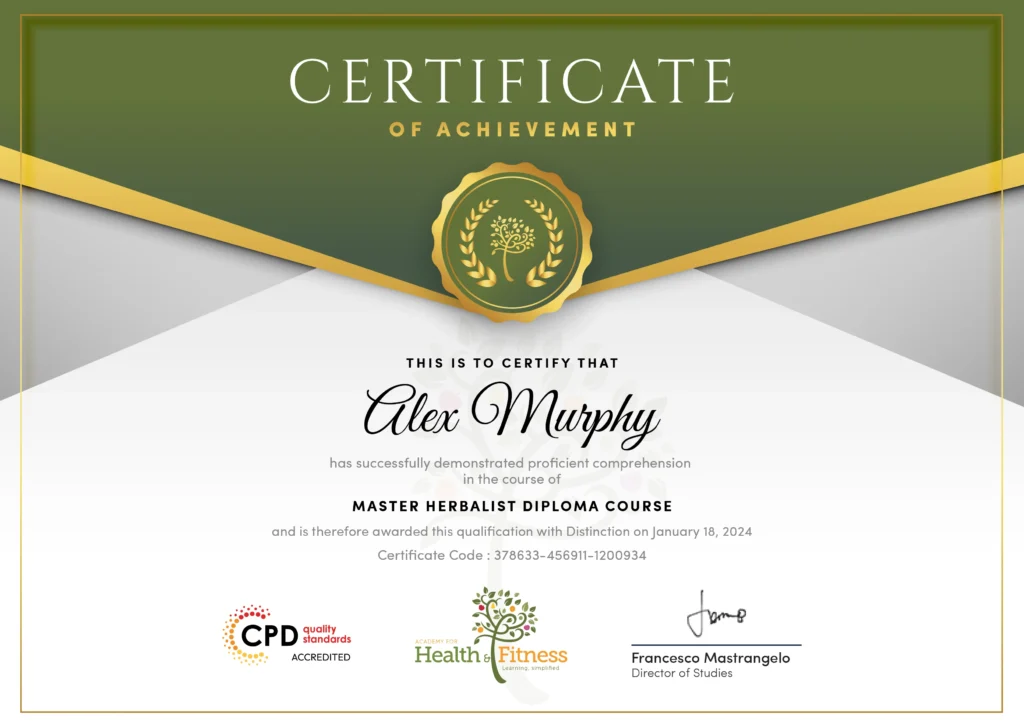
After successfully completing the course, you will qualify for a CPD Certificate as proof of your continued professional development and achievement. This certificate can enhance your professional profile and showcase your commitment to building relevant skills and knowledge. You can receive your digital certificate for only £10, or request a printed hard copy sent by post for just £29 or both for £39.
For assessing your learning, you have to complete an automated MCQ exam. It is required for the students to score at least 60% to pass the exam and fulfil the Quality Licence Scheme-endorsed certificate criteria. Learners can apply for the certificate after they clear the exam.
There are assignment questions provided at the end of the course. You are suggested to complete the questions to enrich your understanding of the course. You can complete this according to your preferred time. The expert tutor will provide feedback on your performance after assessing your assignment.
Effective teamwork is valuable across UK workplaces where collaboration, communication and accountability influence everyday performance. This course can complement existing experience and qualifications for people progressing towards roles involving colleagues, projects, supervision or team development.
Salary ranges are indicative UK figures and can vary according to experience, location, sector, employer, qualifications and additional benefits.
A Health & Social Care Diploma Level 3 provides knowledge of care principles, safeguarding, communication, and professional practice. It supports learners developing skills for roles within the UK care sector.
Â
Teams generally develop through clear objectives, defined responsibilities, communication and opportunities to build working relationships. Effective leadership can help members understand expectations and contribute confidently.
Â
A leader focuses strongly on direction, motivation and influencing people towards shared goals. A manager typically has responsibility for planning, organising, monitoring and delivering operational objectives, although the roles often overlap.
Trust encourages people to communicate openly, share ideas and rely on colleagues to fulfil their responsibilities. Without sufficient trust, misunderstandings and reluctance to collaborate can affect team performance.
Accountability helps team members understand their responsibilities and take ownership of agreed tasks. It also provides a basis for addressing missed expectations fairly and constructively.
Performance issues may become apparent through missed deadlines, declining standards, communication problems or repeated difficulties completing responsibilities. Managers should consider the wider circumstances before deciding how to respond.
Â
Support can include supervision, mentoring, training, constructive feedback and appropriate workplace resources. The most suitable approach depends on the individual’s circumstances and organisational procedures.
Managers can establish clear expectations, communicate consistently and recognise both strengths and areas requiring improvement. Regular feedback and appropriate support can help teams maintain effective performance.
Â
A team normally works towards shared objectives with interconnected responsibilities and collective accountability. A group may consist of individuals who interact but do not necessarily depend on one another to achieve a common outcome.
Â
Yes. The ability to communicate, collaborate, take responsibility and support colleagues is relevant to many UK workplace roles. Developing these skills can provide a useful foundation for responsibilities involving coordination or leadership.
| Module 1: What is a Team? | |||
| What is a Team? | 00:17:00 | ||
| Module 2: Developing a Team | |||
| Developing a Team | 00:22:00 | ||
| Module 3: Leader vs Manager | |||
| Leader vs Manager | 00:23:00 | ||
| Module 4: Leading and Managing a Team | |||
| Leading and Managing a Team | 00:19:00 | ||
| Module 5: Developing Trust and Accountability in a Team | |||
| Developing Trust and Accountability in a Team | 00:17:00 | ||
| Module 6: Identifying Performance Issues Within a Team | |||
| Identifying Performance Issues Within a Team | 00:25:00 | ||
| Module 7: Support Systems for Team Members | |||
| Support Systems for Team Members | 00:18:00 | ||
| Module 1: What is a Team? | |||
| What is a Team? | 00:17:00 | ||
| Module 2: Developing a Team | |||
| Developing a Team | 00:22:00 | ||
| Module 3: Leader vs Manager | |||
| Leader vs Manager | 00:23:00 | ||
| Module 4: Leading and Managing a Team | |||
| Leading and Managing a Team | 00:19:00 | ||
| Module 5: Developing Trust and Accountability in a Team | |||
| Developing Trust and Accountability in a Team | 00:17:00 | ||
| Module 6: Identifying Performance Issues Within a Team | |||
| Identifying Performance Issues Within a Team | 00:25:00 | ||
| Module 7: Support Systems for Team Members | |||
| Support Systems for Team Members | 00:18:00 | ||