Adverse childhood experiences can shape wellbeing, behaviour and development long after difficult events occur. Build knowledge to recognise risks, understand trauma responses and support children confidently. Enrol today
4.5
(6 Reviews)
52 Students
Exclusive Deal! 94% Off, Today Only!
Sale Ends In
Adverse childhood experiences can leave lasting effects on how children feel, behave, learn and build relationships. Without a clear understanding of these experiences, professionals and carers may overlook important signs or miss opportunities to provide timely, informed support. This course offers a UK-focused foundation for understanding ACEs and their relevance to children’s wellbeing.
You will explore the main types of adverse childhood experiences, including child maltreatment and household dysfunction, before examining trauma and common response mechanisms. The course also covers risk and protective factors, evidence-based interventions, and practical principles for supporting children affected by adversity. These topics help learners understand how difficult early experiences can influence development without assuming every child will respond in the same way.
By completing the course, you will have a stronger framework for recognising ACE-related concerns and responding appropriately within your professional role and responsibilities. Develop valuable practical awareness before gaps in knowledge affect the support a child receives. Enrol today.
There are no formal prerequisites to enrol in this Adverse Childhood Experiences course. It is suitable for both beginners and individuals already working in care who want to develop their skills further.
The course is fully accessible online, allowing you to study from home using any internet-enabled device.
All you need is a willingness to learn, basic literacy skills, and to be over the age of 16.
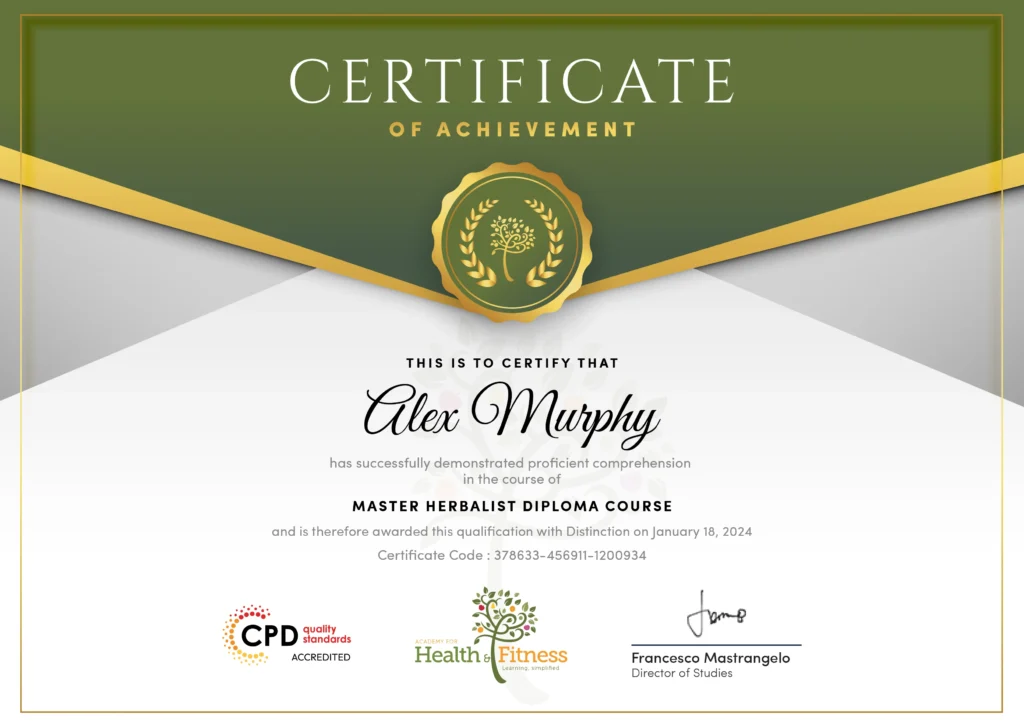
After successfully completing the course, you will qualify for a CPD Certificate as proof of your continued professional development and achievement. This certificate can enhance your professional profile and showcase your commitment to building relevant skills and knowledge. You can receive your digital certificate for only £10, or request a printed hard copy sent by post for just £29 or both for £39.
For assessing your learning, you have to complete an automated MCQ exam. It is required for the students to score at least 60% to pass the exam and fulfil the Quality Licence Scheme-endorsed certificate criteria. Learners can apply for the certificate after they clear the exam.
There are assignment questions provided at the end of the course. You are suggested to complete the questions to enrich your understanding of the course. You can complete this according to your preferred time. The expert tutor will provide feedback on your performance after assessing your assignment.
Knowledge of adverse childhood experiences can complement roles across children’s services, education, social care, safeguarding and family support in the UK. The course can strengthen relevant understanding, although specific jobs may require additional qualifications, training, DBS checks or professional registration.
Salary figures are indicative UK ranges and can vary according to location, employer, experience, qualifications and role requirements.
An adverse childhood experience is a potentially stressful or harmful event occurring during childhood. ACEs can include maltreatment, household dysfunction and other forms of adversity that may influence wellbeing and development.
Â
Childhood adversity can influence emotional wellbeing, behaviour, relationships, learning and responses to stress. The effects vary considerably between individuals and depend on circumstances, timing and available support.
Â
Trauma can affect how children respond emotionally, behaviourally and physically to stressful situations. Understanding response mechanisms can help professionals approach children with greater awareness and sensitivity.
Child maltreatment ACEs include experiences such as abuse or neglect during childhood. Recognising different forms of maltreatment supports earlier awareness of safeguarding concerns and appropriate professional responses.
Household dysfunction ACEs relate to difficulties within a child’s home environment, including circumstances that may create instability or ongoing stress. Understanding these factors provides important context when considering a child’s experiences.
The course examines factors that can increase vulnerability alongside factors that may promote resilience and healthier outcomes. This helps learners consider both challenges and sources of support surrounding a child.
Â
Evidence-based interventions provide structured approaches informed by research and professional practice. They can help practitioners respond appropriately while recognising that support should reflect each child’s circumstances.
Consistent, informed support can help children feel safer and access appropriate services when difficulties arise. Understanding adversity can also improve communication and encourage more considered professional responses.
Â
Yes, awareness of ACEs can strengthen understanding of circumstances that may affect children’s safety and wellbeing. However, safeguarding decisions must always follow relevant UK procedures, legislation and professional guidance.
Â
Yes, it can benefit professionals and carers who regularly support children or young people. It provides foundational knowledge that can complement existing responsibilities, workplace training and relevant professional qualifications.
| Module 1: Introduction to Adverse Childhood Experiences | |||
| Introduction to Adverse Childhood Experiences | 00:22:00 | ||
| Module 2: Effects of Adverse Childhood Experiences | |||
| Effects of Adverse Childhood Experiences | 00:19:00 | ||
| Module 3: Child Maltreatment ACEs | |||
| Child Maltreatment ACEs | 00:22:00 | ||
| Module 4: Household Dysfunction ACEs | |||
| Household Dysfunction ACEs | 00:16:00 | ||
| Module 5: Trauma and Response Mechanisms | |||
| Trauma and Response Mechanisms | 00:25:00 | ||
| Module 6: Risk and Protective Factors | |||
| Risk and Protective Factors | 00:26:00 | ||
| Module 7: Evidence-Based Interventions | |||
| Evidence-Based Interventions | 00:21:00 | ||
| Module 8: Supporting Children | |||
| Supporting Children | 00:38:00 | ||
| Module 1: Introduction to Adverse Childhood Experiences | |||
| Introduction to Adverse Childhood Experiences | 00:22:00 | ||
| Module 2: Effects of Adverse Childhood Experiences | |||
| Effects of Adverse Childhood Experiences | 00:19:00 | ||
| Module 3: Child Maltreatment ACEs | |||
| Child Maltreatment ACEs | 00:22:00 | ||
| Module 4: Household Dysfunction ACEs | |||
| Household Dysfunction ACEs | 00:16:00 | ||
| Module 5: Trauma and Response Mechanisms | |||
| Trauma and Response Mechanisms | 00:25:00 | ||
| Module 6: Risk and Protective Factors | |||
| Risk and Protective Factors | 00:26:00 | ||
| Module 7: Evidence-Based Interventions | |||
| Evidence-Based Interventions | 00:21:00 | ||
| Module 8: Supporting Children | |||
| Supporting Children | 00:38:00 | ||