Schools handle sensitive pupil, parent and staff information every day. Build practical awareness of GDPR, the Data Protection Act and compliance risks before costly mistakes or missed responsibilities arise. Enrol today.
4.5
(6 Reviews)
86 Students
Exclusive Deal! 94% Off, Today Only!
Sale Ends In
Schools manage vast amounts of personal information, from pupil records and safeguarding details to staff and parent data. When data protection responsibilities are misunderstood, everyday decisions can create avoidable risks, especially where confidentiality, lawful processing or accountability is involved. This course gives UK education professionals a practical foundation for understanding those responsibilities without assuming extensive legal knowledge or specialist data protection experience.
You will explore the basics of GDPR and the key principles of the Data Protection Act, including lawful processing and school compliance. The course also examines accountability and governance, common challenges, practical mitigation strategies, and health and safety considerations connected with responsible information handling. This focused approach helps learners connect legal principles with the realities of educational environments.
By the end, you will have greater confidence recognising data protection responsibilities and supporting compliant practices within a school setting. Strengthen your knowledge now and avoid being caught unprepared when sensitive information demands careful decisions.
There are no formal prerequisites to enrol in this A Guide to UK Data Protection: Education course. It is suitable for both beginners and individuals already working in care who want to develop their skills further.
The course is fully accessible online, allowing you to study from home using any internet-enabled device.
All you need is a willingness to learn, basic literacy skills, and to be over the age of 16.
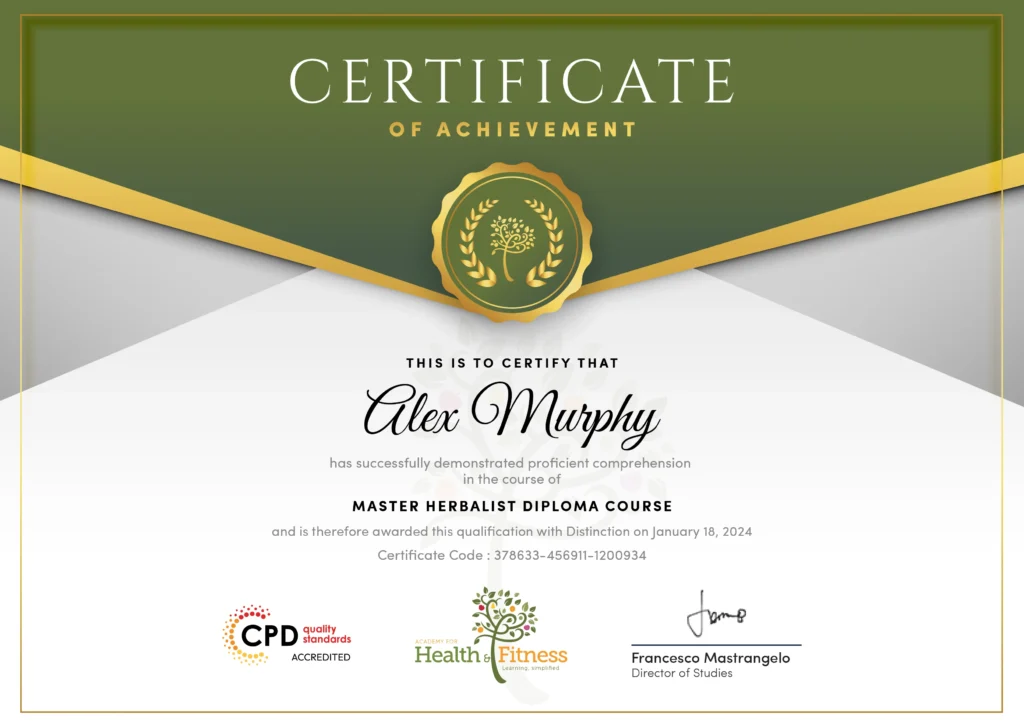
After successfully completing the course, you will qualify for a CPD Certificate as proof of your continued professional development and achievement. This certificate can enhance your professional profile and showcase your commitment to building relevant skills and knowledge. You can receive your digital certificate for only £10, or request a printed hard copy sent by post for just £29 or both for £39.
For assessing your learning, you have to complete an automated MCQ exam. It is required for the students to score at least 60% to pass the exam and fulfil the Quality Licence Scheme-endorsed certificate criteria. Learners can apply for the certificate after they clear the exam.
There are assignment questions provided at the end of the course. You are suggested to complete the questions to enrich your understanding of the course. You can complete this according to your preferred time. The expert tutor will provide feedback on your performance after assessing your assignment.
Data protection knowledge can complement roles where staff handle pupil, parent, employee or organisational information. It is particularly relevant to education administration, leadership, teaching and compliance-focused responsibilities across UK schools. Salary figures are indicative and vary by employer, location, experience and working arrangements.
UK data protection in education concerns how schools and education organisations collect, use, store, share and protect personal information. The main framework includes the UK GDPR and Data Protection Act 2018, alongside other relevant legislation.
Schools process significant amounts of personal information about pupils, parents and staff, so they must meet applicable UK GDPR requirements. This includes having appropriate lawful bases, respecting data protection principles and maintaining suitable accountability arrangements.
Â
The Data Protection Act 2018 supplements the UK GDPR and contains provisions concerning areas such as education information and exemptions. Its application can differ across England, Wales, Scotland and Northern Ireland in certain areas.
The principles cover areas including lawfulness, fairness, transparency, purpose limitation, data minimisation, accuracy, storage limitation, security and accountability. They provide a foundation for responsible handling of personal information.
Schools need to identify an appropriate lawful basis before processing personal information. Depending on the circumstances, this can include public task, legal obligation, consent, contract, vital interests or legitimate interests where applicable.
Accountability requires organisations to take responsibility for complying with data protection requirements and demonstrating appropriate measures. Effective governance, documentation and data protection by design can help schools support this responsibility.
Â
Education information generally includes personal information forming part of an educational record, subject to the relevant legal definitions. The precise rules concerning educational records vary across the UK.
Schools should consider children’s specific needs and rights when processing their personal information. The ICO provides education-specific guidance covering lawful bases, sharing, privacy information and children’s data protection rights.
Â
Common challenges include inappropriate information sharing, excessive collection, insecure storage, unclear retention practices and uncertainty about lawful processing. Staff awareness, clear procedures and appropriate governance can help reduce these risks.
Â
No. This course provides practical awareness and foundational knowledge rather than professional legal or regulated data protection accreditation. It can complement existing education, administration, compliance or leadership experience.
| Module 1: Basics Of GDPR | |||
| Basics Of GDPR | 00:19:00 | ||
| Module 2: Key Principles of DPA- Part One | |||
| Key Principles of DPA-Part One | 00:14:00 | ||
| Module 3: Key Principles of DPA - Part Two | |||
| Key Principles of DPA- Part Two | 00:14:00 | ||
| Module 4: Legal Foundation for Processing | |||
| Legal Foundation for Processing | 00:17:00 | ||
| Module 5: Ensuring Compliance with DPA for School | |||
| Ensuring Compliance with DPA for School | 00:15:00 | ||
| Module 6: Practical Accountability and Governance | |||
| Practical Accountability and Governance | 00:25:00 | ||
| Module 7: Potential Challenges and Mitigation | |||
| Potential Challenges and Mitigation | 00:19:00 | ||
| Module 8: Health and Safety Considerations | |||
| Health and Safety Considerations | 00:21:00 | ||
| Module 1: Basics Of GDPR | |||
| Basics Of GDPR | 00:19:00 | ||
| Module 2: Key Principles of DPA- Part One | |||
| Key Principles of DPA-Part One | 00:14:00 | ||
| Module 3: Key Principles of DPA - Part Two | |||
| Key Principles of DPA- Part Two | 00:14:00 | ||
| Module 4: Legal Foundation for Processing | |||
| Legal Foundation for Processing | 00:17:00 | ||
| Module 5: Ensuring Compliance with DPA for School | |||
| Ensuring Compliance with DPA for School | 00:15:00 | ||
| Module 6: Practical Accountability and Governance | |||
| Practical Accountability and Governance | 00:25:00 | ||
| Module 7: Potential Challenges and Mitigation | |||
| Potential Challenges and Mitigation | 00:19:00 | ||
| Module 8: Health and Safety Considerations | |||
| Health and Safety Considerations | 00:21:00 | ||