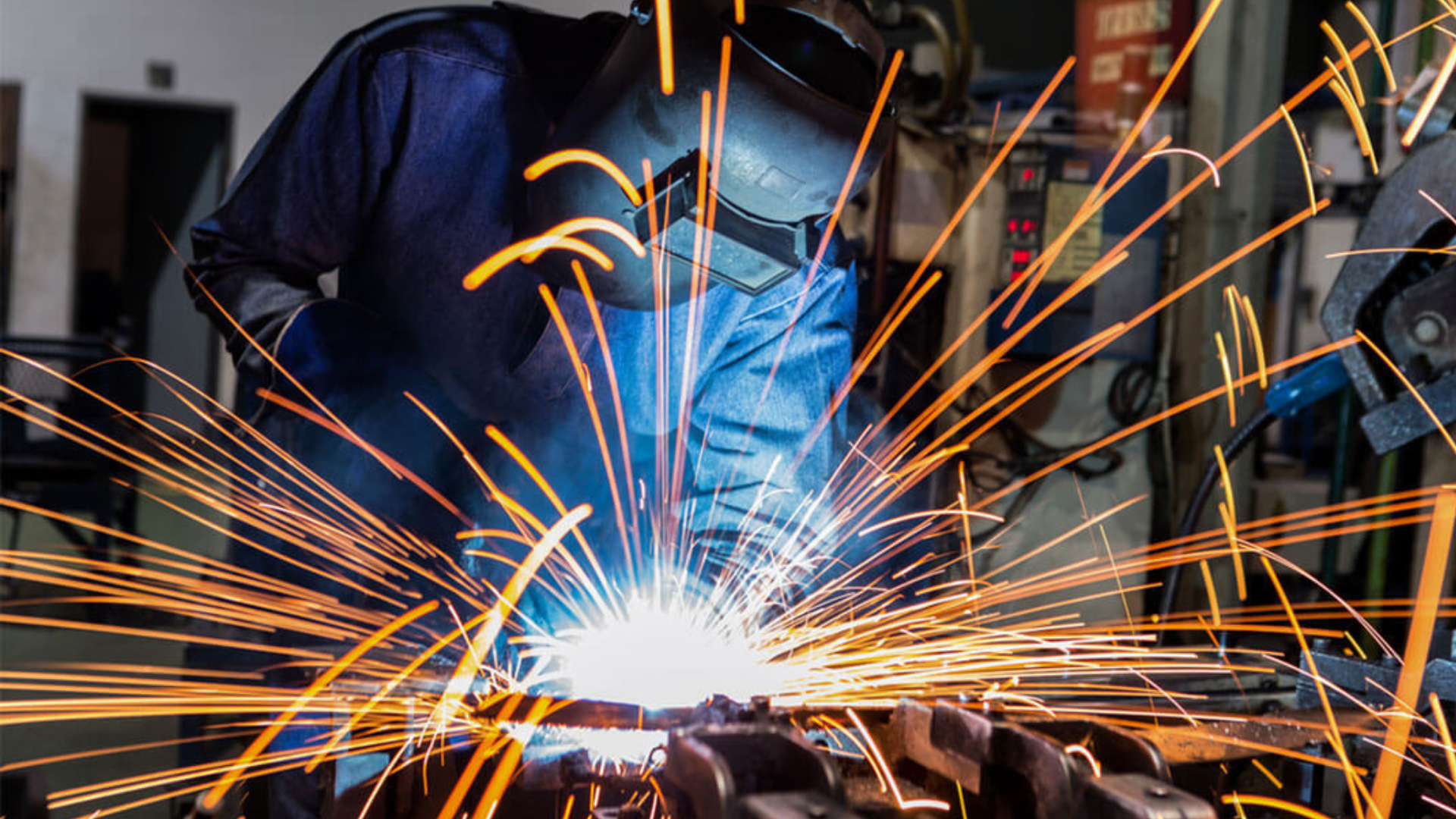
Step into skilled engineering work with Welding – Basic to Advanced (British Standard) – CPD Accredited, a CPD-accredited programme supporting aspiring welders, fabricators, pipe fitters, and workshop technicians. Aimed at those who want to become confident metalworking professionals, it turns beginner curiosity into indispensable capability—helping you master welding methods, workplace safety, and career-ready skills that employers actively need today online.
Exclusive Deal! 94% Off, Today Only!
Sale Ends In
Do you want essential hands-on engineering skills that can lead to real workshop, fabrication, site, and maintenance opportunities rather than another vague qualification? If yes, this Welding Course is relevant because employers still need people who can prepare metals correctly, choose the right welding process, work safely, and produce reliable joints under recognised standards.Â
Demand is not imaginary. ONS recorded 2.524 million manufacturing workforce jobs in 2025 and 50,000 manufacturing vacancies, while the government’s Advanced Manufacturing Sector Plan says the sector directly supports around 760,000 jobs. Skills England has also identified welding and mechanical trades at Level 2 upwards as being in demand across multiple industries, and the government’s shortage list includes both welding trades and pipe fitters.Â
You will learn welding fundamentals, metal types, steel preparation, stainless steel work, aluminium handling, MIG welding, TIG welding, arc welding, welding fumes and gases, risk reduction, hearing and vibration hazards, protective equipment, and gas welding safety. Whether you are searching for a welding training course, online welding course, welding course with certificate, welding safety course, or basic to advanced welding course, this programme gives you structured, job-relevant learning for the modern engineering workplace.Â
Enrol now and build confident, safer, employable welding skills.
Build pragmatic welding confidence as you move from essential principles to process-specific techniques and workplace safety awareness. You will understand metals, preparation, welding methods, joint quality, and key hazards while developing job-ready knowledge that supports workshop, fabrication, maintenance, and entry-level engineering progression with greater confidence and safer habits daily professionally.
This welding course online UK is designed to help you build essential, career-focused knowledge for welding practice, fabrication awareness, metal preparation, process selection, and workshop safety roles, giving you the confidence and subject understanding employers and engineering-focused organisations increasingly value.
Whether you want a trade-focused career path, stronger workshop awareness, or a pragmatic introduction to metal joining, this programme suits beginners and developing engineering learners alike. It is especially useful for people who want structured welding knowledge, safer working habits, and skills that support fabrication, maintenance, construction, and manufacturing roles.
There are no specific prerequisites to enrol in this Welding – Basic to Advanced (British Standard) – CPD Accredited course. Anyone and everyone can take this course.
The Welding – Basic to Advanced (British Standard) – CPD Accredited course is fully accessible from any internet-enabled smart device. So, you can study from the comfort of your home!
All you need is a passion for learning, basic literacy, and to be over the age of 16.
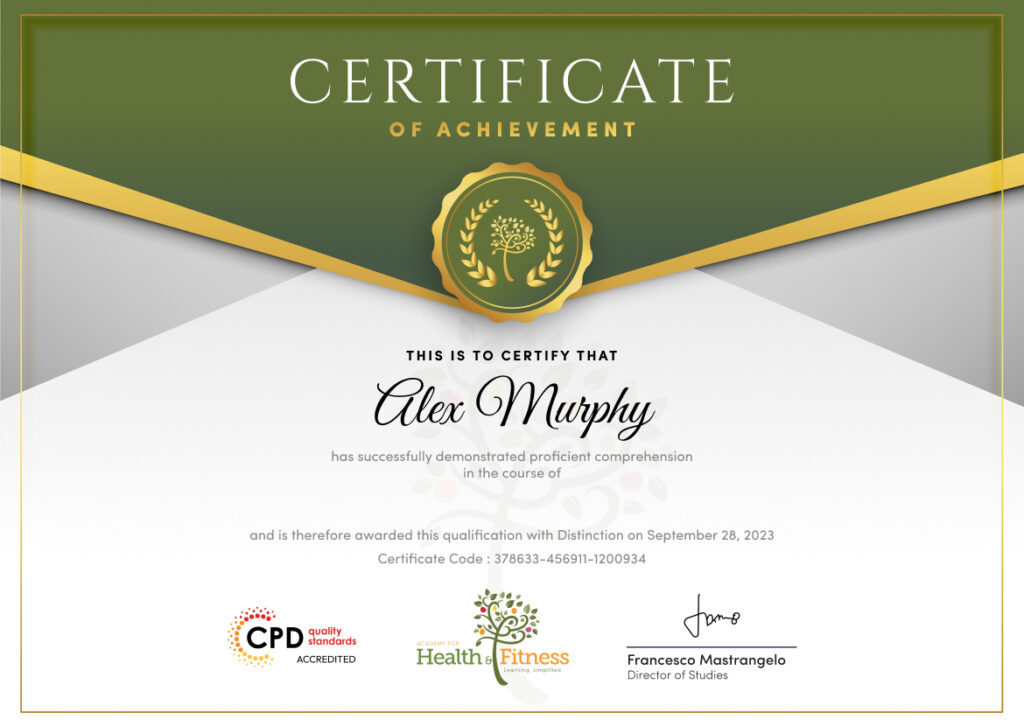
After successfully completing the course, you will qualify for a CPD Certificate as proof of your continued professional development and achievement. This certificate can enhance your professional profile and showcase your commitment to building relevant skills and knowledge. You can receive your digital certificate for only £10, or request a printed hard copy sent by post for just £29 or both for £39.
For assessing your learning, you have to complete an automated MCQ exam. It is required for the students to score at least 60% to pass the exam and fulfil the Quality Licence Scheme-endorsed certificate criteria. Learners can apply for the certificate after they clear the exam.
There are assignment questions provided at the end of the course. You are suggested to complete the questions to enrich your understanding of the course. You can complete this according to your preferred time. The expert tutor will provide feedback on your performance after assessing your assignment.
Welding skills can support work across manufacturing, construction, transport, marine, fabrication, maintenance, and inspection. Employers need people who understand metal preparation, safe processes, and reliable workmanship. This training does not replace trade experience, but it gives you credible foundational knowledge for entry-level progression and broader technical development over time professionally.Â
Welders cut, join, and shape metals for manufacturing, construction, engineering, and repair work. This role fits learners who want core process knowledge, metal awareness, and strong safety habits. With further practice and site experience, progression can lead toward specialist welding, fabrication, inspection support, or higher-responsibility workshop positions later with experience.
Salary range: £25,000 – £45,000.Â
Pipe fitters install industrial pipework, valves, and related systems in factories, commercial buildings, ships, and large engineering sites. Welding knowledge is highly relevant because pipe routes often require joined metal components, safe hot-work awareness, and precision preparation. This path suits learners aiming for practical installation and industrial maintenance environments professionally.
Salary range: £25,000 – £45,000.Â
Steel erectors assemble and secure structural steel sections used in buildings, bridges, tunnels, and industrial frameworks. Welding awareness strengthens understanding of jointing, metal behaviour, and safe site practice, even where bolting remains central. This route suits physically capable learners interested in construction environments, steel structures, and teamwork around heavy components.
Salary range: £24,000 – £40,000.
Engineering operatives help manufacture, service, and repair machinery, tools, and engineered products across multiple industries. Welding knowledge adds value where metal components need preparation, joining, finishing, or workshop safety control. This role suits beginners looking for an entry-level route into engineering operations, production environments, and broader hands-on technical experience confidently.
Salary range: £22,000 – £33,000.
Maintenance fitters install, service, and repair industrial machinery and equipment used in production settings. Welding knowledge is useful for metal repairs, bracket work, safe equipment handling, and understanding fabrication issues during maintenance tasks. This role suits learners who want practical fault-finding, plant support work, and progression in industrial engineering environments.
Salary range: £24,000 – £38,000.Â
Marine engineering technicians build, service, and repair boats, ships, and related systems. Welding knowledge supports marine fabrication awareness, metal repair understanding, and safer work around structural components. This role suits learners interested in maritime engineering, vessel maintenance, and hands-on technical work where durability, precision, and mechanical reliability matter every day.
Salary range: £24,000 – £43,000.Â
Mechanical engineering technicians install, repair, and support industrial machinery and parts in production and engineering settings. Welding knowledge helps with fabrication awareness, component repairs, and understanding how metal structures behave under load. This path suits learners who want broader engineering progression beyond welding while keeping strong practical workshop relevance later.
Salary range: £27,000 – £47,000.Â
Rolling stock engineering technicians maintain and repair train engines, carriages, and rail vehicles. Welding knowledge can support metal repair awareness, component handling, and safety understanding in transport engineering settings. This role suits learners who want structured technical work, strong maintenance standards, and progression in railway or heavy vehicle environments professionally.
Salary range: £30,000 – £45,000.Â
Non-destructive testing technicians inspect materials and welded components for defects without damaging them. Welding knowledge matters because understanding joints, processes, and likely failure points improves inspection judgement. This route suits detail-focused learners who want a more quality-driven technical path linked to safety, compliance, manufacturing reliability, and structural assurance work professionally.
Salary range: £28,000 – £50,000.Â
Quality control officers check whether products, components, and processes meet required standards. Welding knowledge helps when inspecting finished metalwork, identifying visible defects, and understanding how preparation and process choices affect outcomes. This role suits organised learners who prefer accuracy, compliance, and consistent production quality within engineering and manufacturing workplaces daily.
Salary range: £24,000 – £37,000.
Start with structured theory before touching equipment blindly. You need to understand welding basics, metal types, joint preparation, process differences, and safety controls first. A solid welding course online should cover MIG, TIG, arc welding, fumes, PPE, and hazard reduction so your practical learning is safer and less sloppy.
Yes, but do not romanticise it. The demand is real because UK manufacturing still has 50,000 vacancies in 2025, welding and pipe fitting appear on the government shortage list, and Skills England says welding and mechanical trades at Level 2 upwards are in demand across multiple industries.
MIG welding is often faster and beginner-friendly for many fabrication tasks. TIG welding gives more control and cleaner finishes but demands more skill. Arc welding is widely used for robust applications and site work. If you do not understand the differences, you are guessing instead of choosing properly.
Yes. A proper welding for beginners programme should not assume prior knowledge. It should start with welding basics, metals, preparation, methods, and safety before moving into process tutorials. Skipping foundations is stupid because bad habits in welding become dangerous habits fast.
You should expect theory that covers welding principles, metals, steel preparation, stainless steel, aluminium, MIG welding course content, TIG welding course content, arc welding course content, fume risks, hearing hazards, protective equipment, and gas welding safety. Anything less is incomplete and weak.
Look for structured coverage of recognised welding principles, material handling, steel preparation, process selection, and safety controls. A British Standard Welding Course or UK Standard Welding Course should help you think and work more professionally, not just throw random technique names at you for marketing.
Before aiming at a Level 3 Welding Course, you should understand core welding terminology, metal behaviour, process selection, steel preparation, stainless steel handling, aluminium basics, and workshop safety. Trying to jump into advanced study without those foundations is how people end up confused, unsafe, and mediocre.
Yes. Welding knowledge supports fabrication, pipe fitting, maintenance, engineering operations, inspection, steelwork, and transport-related technical roles. It will not replace hands-on trade practice, but it gives you a much stronger foundation than turning up clueless and hoping someone else teaches you everything from scratch.
Do not obsess over the certificate alone. Look at the content first. A good welding diploma-style programme or welding course with a certificate should cover methods, metals, preparation, safety, and practical role relevance. A shiny document without useful learning is worthless in the real world.
You can learn the basics reasonably quickly, but competence takes repetition, supervision, and correction. Understanding the theory is only the start. Real improvement comes when you combine structured study with careful practice, feedback, and disciplined safety habits instead of pretending a few videos make you job-ready.
The best welding course for beginners is not the loudest one. It is the one that teaches fundamentals properly, explains MIG, TIG, and arc welding clearly, covers metal preparation, and takes safety seriously. If a course skips hazards and process logic, it is not beginner-friendly. It is irresponsible.
| *Welding Basics* | |||
| Module 1: Introduction to Welding | |||
| Module 1: Introduction to Welding | 00:15:00 | ||
| Module 2: Getting Familiar with Metals | |||
| Module 2: Getting Familiar with Metals | 00:20:00 | ||
| Module 3: Exploring Welding Methods | |||
| Module 3: Exploring Welding Methods | 00:20:00 | ||
| Module 4: Knowing the Welding Metals | |||
| Module 4: Knowing the Welding Metals | 00:30:00 | ||
| Module 5: Preparing Steel for Welding | |||
| Module 5: Preparing Steel for Welding | 00:15:00 | ||
| Module 6: Working with Stainless Steel | |||
| Module 6: Working with Stainless Steel | 00:15:00 | ||
| Module 7: Working with Aluminium and Other Metals | |||
| Module 7: Working with Aluminium and Other Metals | 00:20:00 | ||
| *Welding Tutorials* | |||
| Module 8: MIG Welding Tutorial | |||
| Module 8: MIG Welding Tutorial | 00:30:00 | ||
| Module 9: TIG Welding Tutorial | |||
| Module 9: TIG Welding Tutorial | 00:30:00 | ||
| Module 10: Arc Welding Tutorial | |||
| Module 10: Arc Welding Tutorial | 00:45:00 | ||
| *Welding Hazards and Safety* | |||
| Module 11: Illness Caused by Welding Fume and Gases | |||
| Module 11: Illness Caused by Welding Fume and Gases | 00:15:00 | ||
| Module 12: Welding Fume - Reducing the Risk | |||
| Module 12: Welding Fume – Reducing the Risk | 00:30:00 | ||
| Module 13: Hearing Loss and Vibration White Finger | |||
| Module 13: Hearing Loss and Vibration White Finger | 00:30:00 | ||
| Module 14: Other Safety Issues | |||
| Module 14: Other Safety Issues | 00:30:00 | ||
| Module 15: Protection during Welding | |||
| Module 15: Protection during Welding | 00:45:00 | ||
| Module 16: Safety in Gas Welding | |||
| Module 16: Safety in Gas Welding | 00:30:00 | ||
| Assignment | |||
| Assignment – Basic to Advanced (British Standard) – CPD Accredited | 00:00:00 | ||
| Mock Exam | |||
| Mock Exam- Welding – Basic to Advanced (British Standard) – CPD Accredited | 00:20:00 | ||
| Final Exam | |||
| Final Exam- Welding – Basic to Advanced (British Standard) – CPD Accredited | 00:20:00 | ||
| *Welding Basics* | |||
| Module 1: Introduction to Welding | |||
| Module 1: Introduction to Welding | 00:15:00 | ||
| Module 2: Getting Familiar with Metals | |||
| Module 2: Getting Familiar with Metals | 00:20:00 | ||
| Module 3: Exploring Welding Methods | |||
| Module 3: Exploring Welding Methods | 00:20:00 | ||
| Module 4: Knowing the Welding Metals | |||
| Module 4: Knowing the Welding Metals | 00:30:00 | ||
| Module 5: Preparing Steel for Welding | |||
| Module 5: Preparing Steel for Welding | 00:15:00 | ||
| Module 6: Working with Stainless Steel | |||
| Module 6: Working with Stainless Steel | 00:15:00 | ||
| Module 7: Working with Aluminium and Other Metals | |||
| Module 7: Working with Aluminium and Other Metals | 00:20:00 | ||
| *Welding Tutorials* | |||
| Module 8: MIG Welding Tutorial | |||
| Module 8: MIG Welding Tutorial | 00:30:00 | ||
| Module 9: TIG Welding Tutorial | |||
| Module 9: TIG Welding Tutorial | 00:30:00 | ||
| Module 10: Arc Welding Tutorial | |||
| Module 10: Arc Welding Tutorial | 00:45:00 | ||
| *Welding Hazards and Safety* | |||
| Module 11: Illness Caused by Welding Fume and Gases | |||
| Module 11: Illness Caused by Welding Fume and Gases | 00:15:00 | ||
| Module 12: Welding Fume - Reducing the Risk | |||
| Module 12: Welding Fume – Reducing the Risk | 00:30:00 | ||
| Module 13: Hearing Loss and Vibration White Finger | |||
| Module 13: Hearing Loss and Vibration White Finger | 00:30:00 | ||
| Module 14: Other Safety Issues | |||
| Module 14: Other Safety Issues | 00:30:00 | ||
| Module 15: Protection during Welding | |||
| Module 15: Protection during Welding | 00:45:00 | ||
| Module 16: Safety in Gas Welding | |||
| Module 16: Safety in Gas Welding | 00:30:00 | ||
| Assignment | |||
| Assignment – Basic to Advanced (British Standard) – CPD Accredited | 00:00:00 | ||
| Mock Exam | |||
| Mock Exam- Welding – Basic to Advanced (British Standard) – CPD Accredited | 00:20:00 | ||
| Final Exam | |||
| Final Exam- Welding – Basic to Advanced (British Standard) – CPD Accredited | 00:20:00 | ||